
Taghazout Morocco Surf Travel Guide 2026: Spots & Tips
Plan your Taghazout Morocco surf trip with this 2026 guide. Discover the best surf spots, waves, seasons, beaches, surf camps and local travel tips.
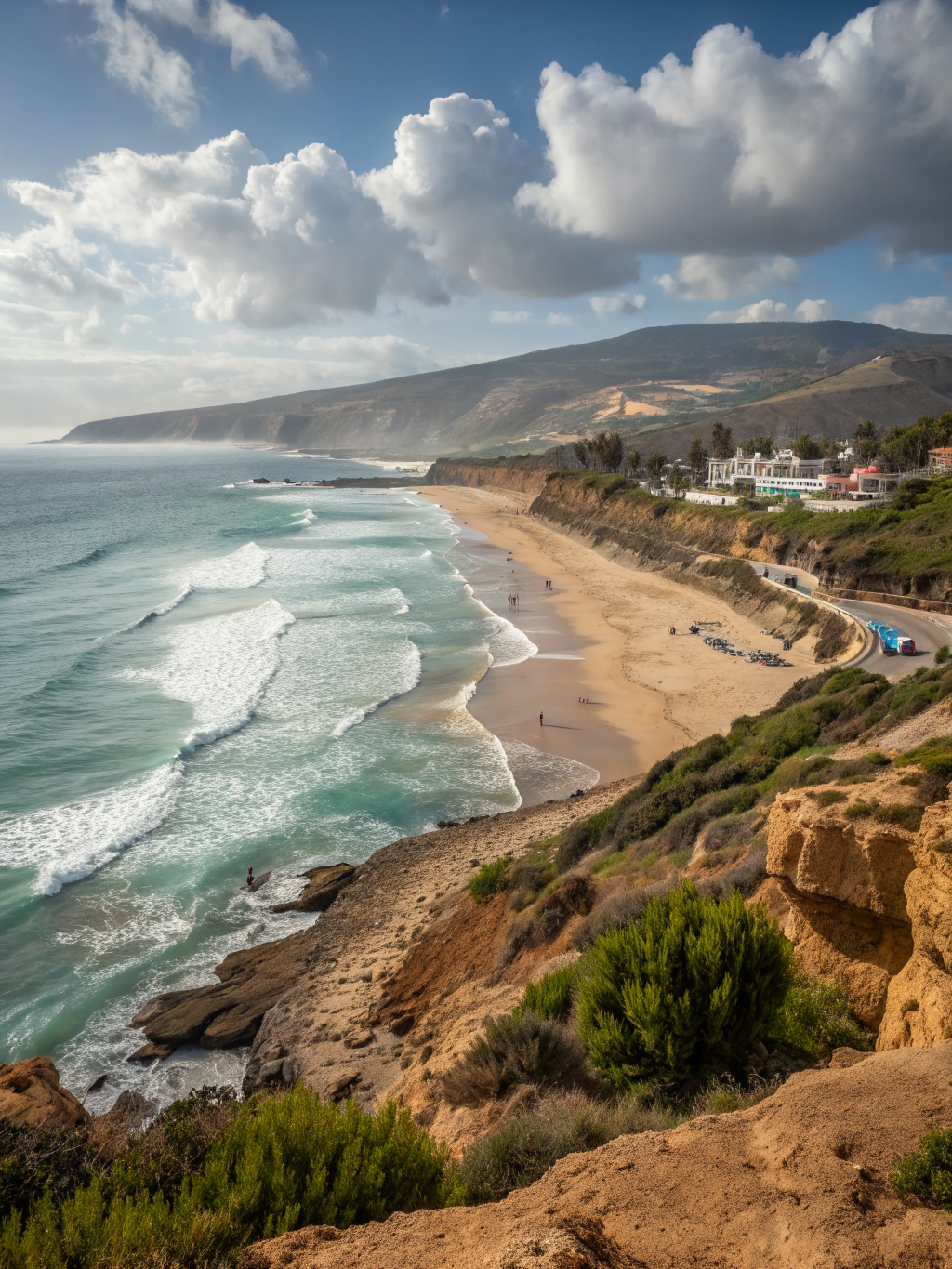
Table of Contents
Introduction
Looking for a surf destination where endless waves meet ancient culture and your budget stretches far beyond what’s possible in Europe or California? Plan your Taghazout Morocco surf trip with this 2026 guide. Discover the best surf spots, waves, seasons, beaches, surf camps and local travel tips. This laid-back fishing village turned surf hub has transformed into one of Africa’s premier wave-riding destinations, attracting everyone from nervous first-timers to barrel-hunting veterans.
Taghazout sits along Morocco’s Atlantic coastline, just 20 kilometers north of Agadir. The region benefits from consistent North Atlantic swells, warm hospitality, and accommodation prices that make extended surf trips genuinely affordable. Whether you’re planning a week-long surf camp experience or a month-long digital nomad adventure, this guide covers everything from reading the local reef breaks to navigating the village’s narrow streets.
Why Visit Taghazout?
Taghazout offers something increasingly rare in the surf world: consistent waves without consistent crowds. While the village has grown considerably over the past decade, it maintains a relaxed atmosphere that contrasts sharply with commercialized surf towns elsewhere.
The wave quality attracts surfers across all skill levels. Beginners appreciate the forgiving beach breaks and abundance of surf schools offering patient instruction. Intermediate surfers find endless opportunities to progress on point breaks that offer long, workable walls. Advanced surfers can challenge themselves on powerful reef breaks when conditions align.
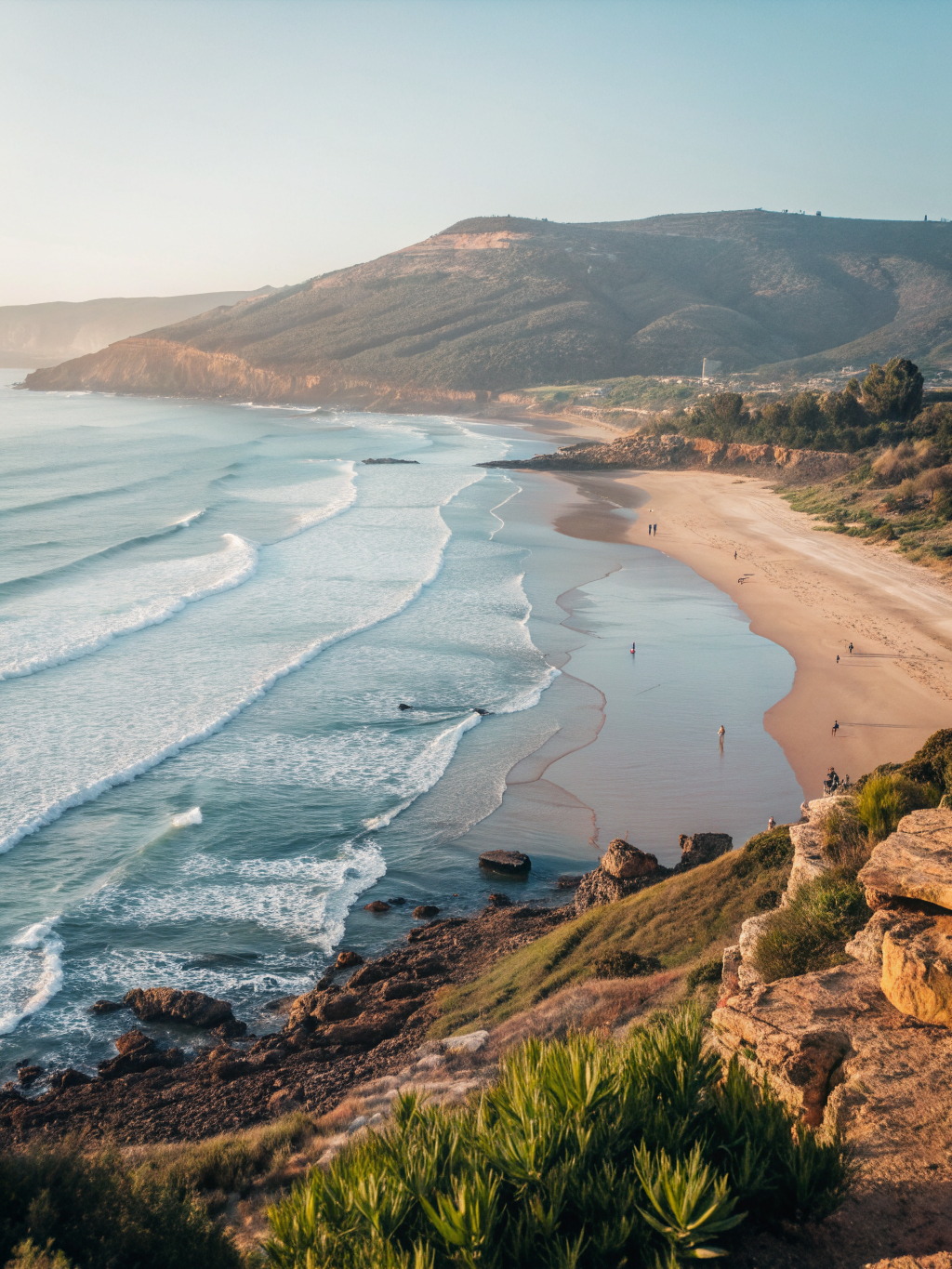
Beyond the waves, Taghazout provides genuine cultural immersion. You’ll share lineup conversations with Moroccan surfers, drink mint tea in local cafes, and explore weekly souks selling everything from fresh dates to handwoven rugs. The dramatic coastline features golden cliffs, hidden coves, and sunset views that rival anywhere in the world.
Budget travelers particularly appreciate how far their money goes here. Quality surf accommodation, fresh tagines, and daily surfboard rentals cost considerably less than comparable European destinations. Solo travelers and couples find Taghazout welcoming and safe, while the growing digital nomad community has established reliable wifi and coworking spaces throughout the village.
Best Surf Spots in Taghazout
The stretch of coastline surrounding Taghazout contains over a dozen distinct surf breaks within a 10-kilometer radius. Each spot offers unique characteristics depending on swell direction, tide, and season.
Anchor Point
Anchor Point represents Morocco’s most famous wave and one of Africa’s longest right-hand point breaks. When proper northwest swells combine with mid-to-high tide, this cobblestone point delivers rides exceeding 300 meters.
Intermediate and advanced surfers should prioritize Anchor Point during autumn and winter months when Atlantic storms generate the swell needed to activate this break. The wave offers multiple sections with varying difficulty the inside provides a learner-friendly wall, while the outside sections demand confident paddling and wave selection.
Crowds can build during prime conditions, particularly around holidays when European surfers visit. Early morning sessions before 8 AM typically offer the most space in the lineup. Respect local surfers who know the peak positioning and wave rhythm intimately.
Killer Point
Located just south of Anchor Point, Killer Point (also called Dracula’s) offers another quality right-hand point break with a slightly different personality. This spot works on smaller swells than Anchor Point and handles a wider range of tide conditions.
The wave breaks over a rocky bottom, creating fast, hollow sections that suit intermediate to advanced surfers. Killer Point often provides excellent waves when nearby breaks are too small or too crowded. The paddle-out requires careful navigation through rocks, so watch experienced surfers before committing.
Hash Point
Hash Point sits between Killer Point and Anchor Point, offering a mellow alternative when other spots are firing with intense crowds. This right-hand point works best during medium swell conditions and mid-tide.
Intermediate surfers appreciate Hash Point’s forgiving nature and longer walls that allow practice of bottom turns and cutbacks without the pressure of more competitive lineups. The wave quality doesn’t match Anchor Point on perfect days, but consistency and accessibility make it valuable for progression.
Boilers
Boilers breaks over a shallow reef shelf just offshore from Taghazout’s main beach. This powerful right-hander demands respect and experience, suitable only for advanced surfers comfortable with heavy waves and sharp reef consequences.
The wave can produce thick barrels when northwest swells align with offshore winds. Low to mid-tide typically offers the best shape, though conditions change rapidly. Wipeouts here can result in reef contact, so understand the risks before paddling out.
Banana Beach
Banana Beach (also known as Banana Point) provides Taghazout’s most accessible beginner-friendly waves. This sandy beach break offers both left and right waves that break gently over soft sand.
Surf schools concentrate lessons here due to the forgiving conditions and easy access. Beginners can practice standing up without worrying about rocks or reefs. The waves rarely exceed head-high, making it perfect for first-timers and improving surfers building confidence.
When surfing in agadir morocco, taghazout surf, morocco surf camp taghazout, agadir morocco surfing, Banana Beach should be your starting point if you’re new to the sport.
Looking for a beginner-friendly place to stay? Wave Gypsy Surf offers an 8-day surf in Tamraght, Morocco, making it a great option for those who are new to surfing.
La Source
La Source sits slightly north of the main Taghazout village, offering a quieter alternative to the more popular points. This right-hand wave works on various swell sizes and provides a fun, performance-oriented wall.
The spot suits intermediate surfers looking to escape crowds while still accessing quality waves. La Source doesn’t handle the largest swells well but shines during shoulder season conditions when other breaks might be too intense or too flat.
Mysteries
Mysteries breaks further north toward Tamraght village, delivering a challenging right-hand reef break for experienced surfers. The wave works best during solid northwest swells and low to mid-tide.
Access requires a short walk down rocky paths, which naturally filters crowds. The wave can produce excellent barrels and vertical walls when conditions align. Only paddle out if you’re comfortable reading reef breaks and handling powerful waves with consequences.
Best Time to Surf Taghazout
Taghazout receives surfable waves year-round, though each season offers distinct characteristics that appeal to different surfer types.
Autumn (September–November) brings the most consistent swell as North Atlantic storm systems activate. Water temperatures remain comfortable from summer warmth, typically ranging from comfortable to cool depending on the month. Crowds begin building as European surfers arrive for extended trips. This season suits intermediate to advanced surfers seeking powerful waves and long point break rides.
Winter (December–February) delivers the largest swells and most powerful conditions. Wave heights can exceed overhead at exposed breaks, while sheltered spots offer manageable alternatives during massive swells. Water temperatures cool down, requiring at least a 3/2mm wetsuit, sometimes 4/3mm during coldest periods. Winter attracts experienced surfers chasing serious barrels and long rides at Anchor Point. Budget accommodation becomes scarcer as demand peaks.
Spring (March–May) provides excellent conditions for all skill levels. Swells remain consistent but slightly smaller than winter, creating perfect conditions for progression. Water temperatures gradually warm, and sunshine increases. Spring offers good value as crowds thin following winter peak season. This period suits surfers seeking quality waves without intense competition.
Summer (June–August) brings smaller, gentler waves ideal for beginners and longboarders. Water temperatures reach their warmest, often allowing surfing in boardshorts or spring suits. Swell consistency decreases, though waves rarely disappear completely. Summer attracts families, first-time surfers, and travelers combining surfing with beach relaxation and cultural exploration.
| Season | Wave Conditions | Skill Level | Crowds | Budget |
|---|---|---|---|---|
| Autumn | Consistent, medium-large | Intermediate-Advanced | Moderate-High | Medium |
| Winter | Large, powerful | Advanced | High | Higher |
| Spring | Consistent, medium | All levels | Moderate | Medium |
| Summer | Small, gentle | Beginner-Intermediate | Lower | Lower |
How Much Does a Surf Trip Cost?
Taghazout ranks among the world’s most affordable quality surf destinations, particularly compared to European and American alternatives.
Budget Surf Trip
Daily accommodation in shared hostel dorms costs approximately $8–15 per night. Basic surf camps offering shared rooms, daily surf lessons, and breakfast range from $200–350 per week. Daily surfboard rental runs $5–8. Wetsuit rental adds another $3–5 daily. Local restaurant meals cost $3–6 for substantial tagines or fresh fish. Street food and bakery options offer filling meals under $2. Daily transportation using local buses and shared taxis rarely exceeds $5. A week-long budget surf trip including accommodation, meals, board rental, and basic transport can cost $250–400 total.
Mid-Range Surf Trip
Private rooms in guesthouses or small hotels cost $25–50 nightly. Mid-range surf camps with private rooms, meals, guided surf sessions, and airport transfers charge $300–700 weekly. Surfboard rental remains affordable at $7–10 daily for better equipment. Restaurant meals at tourist-oriented establishments cost $8–15. Occasional taxis instead of buses add convenience for $3–8 per ride. Including activities like yoga classes, hammam visits, or day trips to Paradise Valley, expect $600–900 for a week.
Premium Surf Trip
Boutique surf accommodations with ocean views, pools, and full amenities range from $80–150 nightly. High-end surf packages including coaching, video analysis, premium equipment, and gourmet meals cost $1,000–1,500 weekly. Adding private transportation, spa treatments, and guided cultural excursions pushes weekly costs to $1,200–2,000.
Most travelers find the budget-to-mid-range options provide excellent value without sacrificing comfort or surf quality.
Where to Stay
Taghazout village itself concentrates most budget accommodation, surf schools, and local restaurants within easy walking distance of multiple surf spots.
Surf hostels dominate the accommodation scene, offering dormitory beds, communal kitchens, rooftop terraces, and built-in social atmospheres perfect for solo travelers. Many hostels organize daily surf shuttles, group dinners, and evening activities that help travelers connect.
Surf camps provide all-inclusive experiences combining accommodation, meals, daily surf sessions with instruction, and often additional activities like yoga or excursions. These suit beginners wanting structured learning and social interaction without planning logistics.
Looking for a beginner-friendly place to stay? Wave Gypsy Surf offers an 8-day surf in Tamraght, Morocco, making it a great option for those who are new to surfing.
Budget guesthouses scattered through Taghazout offer simple private rooms with basic amenities at reasonable prices. These work well for couples or travelers preferring quieter accommodations while maintaining proximity to surf breaks and restaurants.
Apartments and studios available for weekly or monthly rental attract digital nomads and extended-stay visitors. Kitchen facilities enable self-catering, significantly reducing food costs during longer trips.
Neighboring Tamraght village (3 kilometers south) offers similar accommodation options with a slightly quieter atmosphere and easy access to southern surf breaks. The villages connect via regular shared taxis and short walks along the coastal road.
For those prioritizing comfort and amenities, Taghazout Bay development slightly north features modern hotels and resorts with pools, spas, and upscale dining, though at significantly higher prices and requiring transport to reach traditional surf breaks.
Getting Around
Agadir Al Massira International Airport sits approximately 30 kilometers south of Taghazout. Airport transfers via pre-arranged taxi cost $15–30 depending on negotiation and number of passengers. Shared shuttle services through surf camps or hostels offer cheaper alternatives at $8–12 per person.
Local transportation between Taghazout, Tamraght, and Agadir relies primarily on shared grands taxis typically Mercedes vehicles fitting six passengers. These run continuously throughout the day, charging $1–2 for trips between villages. Simply wait at common pickup points and the driver departs when the vehicle fills.
Walking suffices for daily movement within Taghazout village and reaching nearby surf spots. The coastal road connecting major breaks offers scenic walks, though carrying a surfboard in strong winds can prove challenging.
Bicycle and scooter rentals provide convenient personal transport for exploring the coastline and reaching more distant breaks. Daily rental costs $5–10 for bicycles, $15–25 for scooters. Exercise caution on the coastal road as traffic moves quickly and road conditions vary.
Car rental makes sense for groups planning extensive exploration of Morocco’s wider surf coast including Imsouane, Essaouira, and other destinations. Daily rates start around $20–30 for basic vehicles. International driving licenses and caution navigating local driving customs are required.
Most surfers find walking combined with occasional shared taxis provides sufficient mobility without rental vehicle expenses.
What to Pack for a Surf Trip
Surfing Equipment
- Surfboard (if traveling with your own; rental options are excellent and affordable)
- Leash suitable for wave size you’ll encounter
- Surf wax appropriate for water temperature
- Fins and fin key
- Wetsuit (3/2mm or 4/3mm depending on season)
- Rash guard for sun protection
- Surf hat or hood for cold winter sessions
- Board bag with padding if flying with surfboard
Clothing & Essentials
- Lightweight clothing for warm days
- Light jacket or hoodie for cooler evenings
- Comfortable walking shoes
- Sandals or flip-flops
- Modest clothing for visiting towns and respecting local culture
- Reef-safe sunscreen (very important)
- After-sun lotion or aloe vera
- Quick-dry towel
- Reusable water bottle
- Universal travel adapter (Morocco uses European-style plugs)
- Basic first-aid kit including antiseptic for reef cuts
- Waterproof phone case or dry bag
Documents & Money
- Passport with at least 6 months validity
- Travel insurance confirmation covering surfing activities
- Cash in Euros (easily exchanged) or Moroccan Dirhams
- Credit/debit cards (notify your bank of travel plans)
- Printed accommodation confirmations
- Offline maps downloaded to your phone
Optional but Useful
- Wetsuit changing mat or bucket for rinsing gear
- Surf watch or fitness tracker
- Surf forecasting app downloaded before arrival
- Camera or GoPro for capturing sessions
- Earplugs if prone to surfer’s ear
- Light backpack for carrying water and essentials to the beach
Surfboard and wetsuit rental quality in Taghazout is generally excellent, so traveling without equipment saves considerable hassle and airline fees while supporting local businesses.
Best Surf Trip Itinerary
Day 1 — Arrival & Settling In
Arrive at Agadir airport and transfer to Taghazout. Check into your accommodation and spend the afternoon walking through the village, locating surf shops, restaurants, and the main beach. Watch the sunset from the coastal viewpoint above Anchor Point while observing wave conditions and local surfers. Enjoy a welcome tagine dinner at a local restaurant.
Day 2 — First Surf Session
Start with breakfast at your accommodation or a local café. Head to Banana Beach for a gentle introduction to Moroccan waves, either taking a lesson if you’re a beginner or easing into the local break if experienced. Afternoon rest or explore Taghazout’s small shops and cafes. Evening walk along the beach as fishing boats return with daily catches.
Day 3 — Point Break Experience
Wake early for dawn patrol at Hash Point or La Source to experience the famous right-hand points with smaller morning crowds. Return for a substantial breakfast. Spend midday resting, arranging surfboard rental for the week if needed, or visiting the weekly souk in nearby Aourir for local culture. Late afternoon second session at Anchor Point if conditions suit your level.
Day 4 — Adventure Day
Take a break from surfing or enjoy a quick morning session. Arrange a shared taxi or tour to Paradise Valley, a stunning natural oasis with palm trees and freshwater pools perfect for swimming and cliff jumping. Pack a picnic lunch. Return late afternoon and watch sunset from a different viewpoint. Dinner at one of Taghazout’s rooftop restaurants.
Day 5 — Progression Session
Focus on improving specific skills. Book a private or semi-private surf lesson for targeted coaching and video analysis if available. Choose the surf spot matching your progression goals—perhaps moving from Banana Beach to Hash Point, or from Hash Point to Anchor Point. Afternoon relaxation or visit a traditional hammam for muscle recovery.
Day 6 — Explore New Breaks
Rent a car, scooter, or organize transport to explore surf