
Surfing in Morocco: The Complete Surf Travel Guide
Discover the best surf spots in Morocco, when to go, where to stay, what waves to expect, and how to plan an unforgettable surf adventure on a budget.
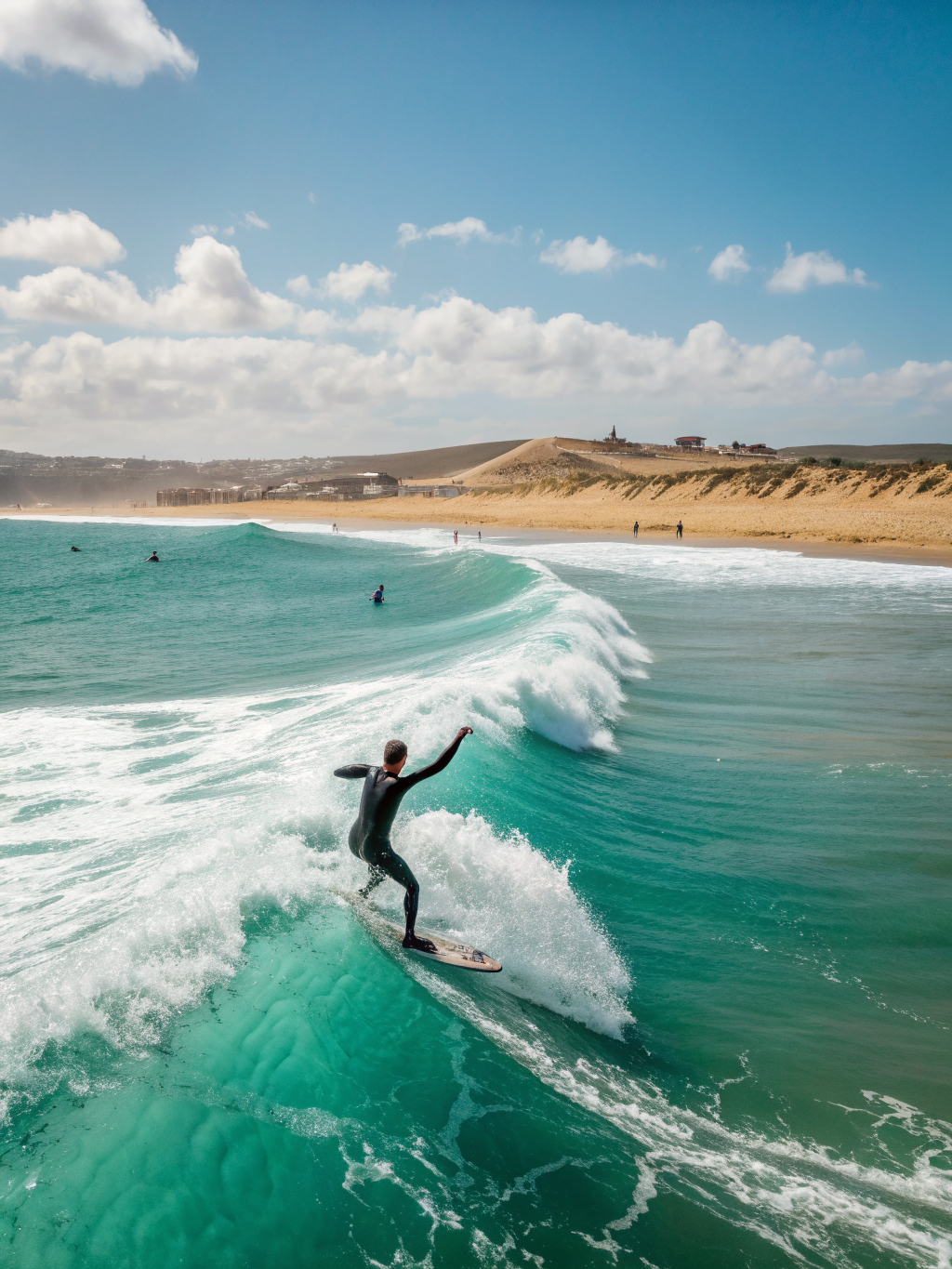
Table of Contents
Introduction
Looking for a surf destination where consistent Atlantic swells meet North African culture, all without draining your savings? Morocco has quietly become one of Europe’s most accessible year-round surf destinations, offering everything from mellow beach breaks for beginners to powerful point breaks that challenge even experienced surfers. With affordable accommodation, warm hospitality, and waves that rival Portugal at a fraction of the cost, it’s no wonder surfers are adding Morocco to their bucket lists.
Discover the best surf spots in Morocco, when to go, where to stay, what waves to expect, and how to plan an unforgettable surf adventure on a budget. This guide covers everything you need to know about surfing Morocco’s best waves, from the famous right-handers near Taghazout to the lesser-known gems along the country’s expansive coastline.
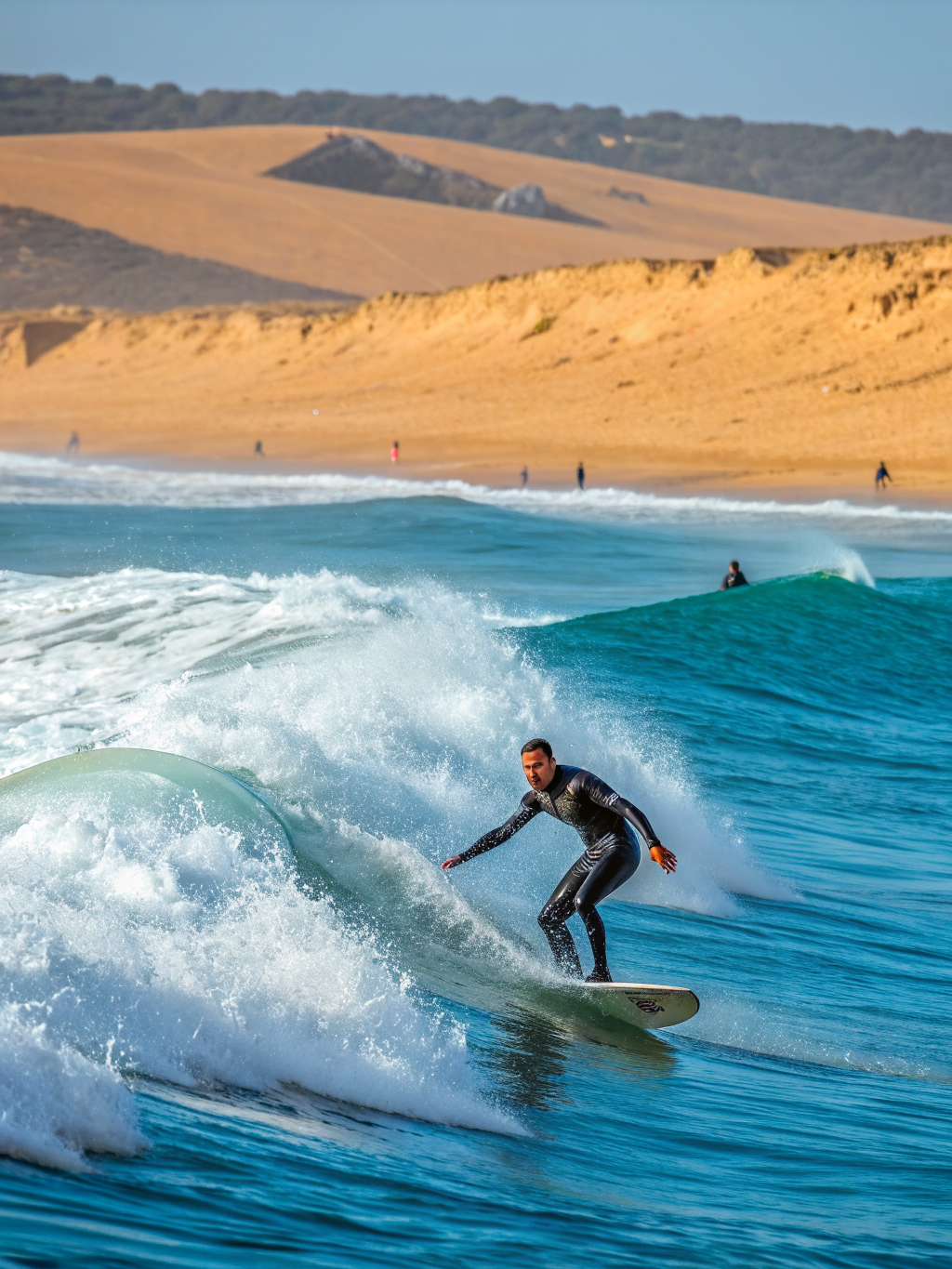
Why Visit Morocco for Surfing?
Morocco combines consistent surf with remarkable value for money. The country’s Atlantic-facing coastline receives powerful swells throughout the year, particularly between October and April when North Atlantic storms send clean waves toward the Moroccan shore.
Wave consistency is one of Morocco’s biggest draws. Unlike destinations where you might score only a handful of good sessions during a week-long trip, Morocco delivers surfable conditions most days of the year. The variety of surf spots means that regardless of swell direction, wind, or tide, you’ll find somewhere worth paddling out.
Affordability makes Morocco especially appealing to budget travelers and digital nomads. Accommodation, food, and transportation cost significantly less than comparable European surf destinations. A filling tagine costs less than a coffee in many Western cities, and surf hostels offer beds for a fraction of what you’d pay in Portugal or France.
Beginner-friendly conditions exist alongside challenging waves. Mellow beach breaks provide ideal learning conditions, while nearby point breaks and reef breaks offer progression opportunities as your skills improve. Surf schools and surf camps cluster around popular areas, making it easy to find quality instruction.
Cultural richness sets Morocco apart from purely surf-focused destinations. Between sessions, you can explore medinas, taste authentic Moroccan cuisine, visit traditional hammams, or venture into the Atlas Mountains. The combination of surf and culture creates a more memorable travel experience than surf-only destinations.
Morocco suits solo travelers seeking community in surf hostels, couples looking for adventure and relaxation, intermediate surfers ready to progress, and experienced surfers hunting powerful point break barrels.
Best Surf Spots in Morocco
Morocco’s coastline stretches over 1,800 kilometers, with the majority of surf spots concentrated between Essaouira in the north and Agadir in the south. The Taghazout area contains the highest density of quality surf breaks.
Anchor Point
Anchor Point is Morocco’s most famous wave a long, powerful right-hand point break that can offer rides exceeding 300 meters on exceptional swells. This is an advanced wave that demands solid paddling fitness, confident rail-to-rail surfing, and respect for the lineup.
The wave works best on large northwest swells combined with offshore easterly winds. Crowds can be significant, especially during peak season when international surfers flock to Morocco specifically for this wave. Local surf etiquette is strictly observed, and beginners should watch from the cliff rather than paddle out.
The take-off zone is rocky, requiring careful timing and awareness of where the channel lies. Intermediate surfers can occasionally surf Anchor Point on smaller days, but this remains primarily an advanced surfer’s wave.
Killer Point
Located just south of Anchor Point, Killer Point offers another quality right-hander with a slightly mellower personality. This wave is more forgiving than its famous neighbor, making it suitable for strong intermediate surfers and advanced beginners on smaller days.
Killer Point handles a wider range of swell sizes and can produce excellent sessions even when Anchor Point is too big or crowded. The wave provides a good testing ground for surfers looking to progress from beach breaks to point breaks.
Boilers
Boilers is a hollow, powerful right-hand reef break that breaks over shallow rock shelves. This is strictly an advanced wave reserved for experienced surfers comfortable in heavy, consequence-filled conditions.
The wave got its name from the old ship boilers visible at low tide near the break. When conditions align solid swell, light offshore winds, mid-to-high tide Boilers produces some of Morocco’s most spectacular barrels.
Hash Point
Hash Point delivers long, high-performance right-handers suitable for intermediate and advanced surfers. The wave is less crowded than Anchor Point while still offering quality rides and progression opportunities.
This spot works across a wider tidal range than some neighboring breaks, increasing your chances of finding good conditions throughout the day.
Panorama’s
Panorama’s is a beginner-friendly beach break located near Taghazout village. Gentle waves, sandy bottom, and forgiving conditions make this an ideal learning environment for first-time surfers and those building confidence.
Surf schools frequently use Panorama’s for lessons, so expect company in the water during peak season. The relaxed vibe and accessible waves create a welcoming atmosphere for progression.
Banana Beach
Banana Beach offers both beach break and point break sections, providing options for various skill levels. The northern end features easier waves suitable for beginners and intermediates, while the point section challenges more experienced surfers.
The beach’s crescent shape provides some protection from wind, often creating cleaner conditions than nearby spots.
Imsouane
Located about 80 kilometers north of Agadir, Imsouane features one of the world’s longest right-hand point breaks. On exceptional swells, rides can last several minutes, offering seemingly endless turns down the line.
The wave is suitable for intermediate surfers upward, with a long, rolling wall that’s forgiving enough for progression while still providing satisfying rides for experienced surfers. The village maintains a mellow, surf-focused atmosphere with basic accommodation and dining options.
Imsouane receives less consistent swell than Taghazout-area breaks, so check forecasts before making the journey.
Best Time to Surf Morocco
Morocco’s surf season runs year-round, but conditions vary considerably depending on when you visit.
October to April represents peak surf season, when powerful North Atlantic swells consistently light up Morocco’s coast. During these months, agadir morocco surfing, surfing in agadir morocco, best places to surf in morocco, marruecos surf spots, morocco surf season reaches its prime, delivering the most consistent waves and best conditions for experienced surfers.
Wave heights during winter months can range from waist-high beach break days to overhead-and-beyond sessions at the region’s premier point breaks. Water temperatures drop during winter, requiring a 3/2mm or 4/3mm wetsuit depending on personal preference and the time of year.
May to September brings smaller, less consistent swells but warmer weather and water temperatures. Summer conditions favor beginners and those seeking a more relaxed surf experience without winter’s crowds and power.
Surfers can often get away with a spring suit or even boardshorts during summer months. Surf camps and schools remain busy with learners taking advantage of gentle conditions.
| Season | Wave Conditions | Best For | Crowds | Wetsuit |
|---|---|---|---|---|
| Winter (Dec-Feb) | Large, powerful swells | Advanced surfers | Highest | 4/3mm |
| Spring (Mar-May) | Consistent, moderate swells | Intermediate surfers | Moderate | 3/2mm |
| Summer (Jun-Aug) | Smaller, inconsistent swells | Beginners | Low to moderate | Spring suit |
| Autumn (Sep-Nov) | Building swells, fewer crowds | All levels | Low to moderate | 3/2mm |
Wind patterns play a significant role in surf quality. Offshore easterly winds blow most consistently during early morning sessions, typically dying down or shifting direction as the day progresses. Check local surf forecasts daily to maximize your sessions.
How Much Does a Surf Trip to Morocco Cost?
Morocco ranks among the most affordable international surf destinations, particularly when compared to European alternatives.
Budget surf trip: Traveling on a tight budget is entirely feasible in Morocco. Surf hostel beds start from around $10-15 per night in shared dorm rooms. Street food and local restaurants serve filling meals for $3-5. Surfboard rentals typically cost $10-15 per day, with weekly rates offering better value. A budget-conscious surfer can manage on approximately $25-40 per day excluding flights.
Mid-range surf trip: Upgrading to private rooms in guesthouses or small hotels, eating at tourist-oriented restaurants, and including surf lessons or guided trips raises daily costs to roughly $50-80 per person. This budget allows for greater comfort without excessive spending.
Premium surf trip: Dedicated surf camps offering all-inclusive packages (accommodation, meals, daily surf coaching, transportation to breaks, yoga) typically range from $500-1000 per week depending on season and amenities. Luxury riads and boutique hotels elevate costs further but remain reasonable compared to Western European standards.
Additional costs to consider:
- Return flights vary significantly by departure city and booking timing
- Airport transfer from Agadir (approximately $10-20 shared shuttle, $30-50 private taxi to Taghazout)
- Travel insurance (essential and required for most activities)
- Wetsuit rental ($5-10 per day)
- Surf lessons ($30-50 per session, package deals available)
- Activities beyond surfing (day trips, camel rides, hammam visits)
The Moroccan dirham (MAD) offers favorable exchange rates for travelers from Europe, North America, and Australasia, stretching budgets further than comparable surf destinations.
Where to Stay for Surfing in Morocco
Taghazout is the undisputed surf hub, offering the highest concentration of accommodation options, surf shops, cafes, and proximity to Morocco’s best waves. The village has transformed from a sleepy fishing settlement into a bustling surf town, though it retains authentic Moroccan character.
Surf hostels dominate the budget accommodation scene, providing dorm beds, communal spaces, and built-in social scenes perfect for solo travelers. Many hostels organize group dinners, sunset viewings, and excursions that help travelers connect.
Tamraght sits just south of Taghazout and offers a quieter alternative while maintaining easy access to the same surf spots. This village appeals to travelers seeking a more relaxed atmosphere away from Taghazout’s growing tourist scene.
Imsouane suits surfers prioritizing wave quality over nightlife and amenities. Accommodation options are more limited but the long point break and laid-back village vibe attract dedicated wave hunters.
Agadir provides a full-service city experience with extensive accommodation options, restaurants, shopping, and infrastructure. However, the city lies 15-20 kilometers from prime surf spots, requiring daily transportation. Agadir works better as a base for travelers combining surfing with city exploration rather than surf-focused trips.
Essaouira blends surf opportunities with cultural richness, historical significance, and artistic character. The waves around Essaouira are generally less consistent than Taghazout-area breaks but the town’s unique atmosphere appeals to travelers seeking balance between surfing and cultural immersion.
For solo surfers, surf hostels provide instant community and shared transportation to breaks. Couples might prefer private rooms in guesthouses offering more intimacy while remaining affordable. Groups can rent entire apartments or villas, significantly reducing per-person costs while gaining kitchen access and private spaces.
Getting Around Morocco for Surfing
From the airport: Agadir’s Al Massira Airport serves as the main gateway for surf travelers. Shared shuttle services connect the airport to Taghazout and nearby surf villages, offering the most economical option. Private taxis provide faster, more convenient transfers at higher cost. Many surf hostels and camps arrange airport pickups when booked in advance.
Between surf spots: Taghazout’s compact size makes walking feasible for accessing nearby breaks like Panorama’s and Hash Point. For more distant spots like Anchor Point, Killer Point, and Boilers, walking requires 20-40 minutes depending on your starting point.
Taxis and “surf taxis” (local drivers specializing in surf shuttles) transport surfers to various breaks for minimal cost. Sharing rides reduces expenses further.
Rental cars provide maximum flexibility for exploring lesser-known surf spots and traveling at your own pace. Rental costs are reasonable by international standards, and roads connecting major surf areas are well-maintained. An international driving permit is officially required alongside your home country’s license.
Transporting surfboards is straightforward. Most taxis and shuttle services accommodate boards without issue, though longer boards might require roof racks. When walking with your board, be mindful of narrow village streets and pedestrian traffic.
What to Pack for a Morocco Surf Trip
Surf equipment:
- Surfboard (or plan to rent locally quality rental boards are widely available)
- Leash (bring a spare)
- Wax appropriate for water temperature
- Fins (if your board uses removable fins)
- Board bag for protection during travel
- Ding repair kit for minor damage
Wetsuits and protective gear:
- 3/2mm wetsuit for spring/autumn
- 4/3mm wetsuit for winter months
- Spring suit for summer
- Rash guard for sun protection
- Reef booties if surfing reef breaks (though many spots have sandy approaches)
General travel essentials:
- Reef-safe sunscreen (protect Morocco’s marine environment)
- After-sun lotion or aloe vera
- Travel adapter (Morocco uses European-style two-pin plugs)
- Waterproof phone case or pouch
- Quick-dry towel
- Reusable water bottle (reduce plastic waste)
- Basic first-aid supplies
- Any prescription medications
- Travel insurance documents
- Copies of passport and important documents
Clothing:
- Lightweight, modest clothing (Morocco is a Muslim country; respectful dress is appreciated)
- Warm layers for cool evenings during winter months
- Comfortable walking shoes
- Sandals or flip-flops
- Sun hat
- Sunglasses
Morocco’s conservative culture appreciates modest dress when outside surf-specific areas. While beachwear is acceptable at surf spots, covering shoulders and knees in villages and towns shows respect for local customs.
Best Surf Trip Itinerary for Morocco
Day 1 — Arrival and Settling In
Arrive at Agadir airport and transfer to your accommodation in Taghazout or nearby village. Spend the afternoon exploring your surroundings, locating surf shops for any rental needs, and walking to nearby breaks to scope conditions. Watch the sunset from one of Taghazout’s cliff-top viewpoints while getting your first glimpse of Morocco’s waves.
Day 2 — First Surf Session
Start with an early morning surf at beginner-friendly spots like Panorama’s or Banana Beach, or tackle intermediate breaks like Hash Point depending on your ability. Morning conditions typically offer the cleanest waves before afternoon winds pick up. Spend the afternoon resting, exploring the village, or taking a second surf if conditions and energy levels allow.
Day 3 — Surf Lesson or Guided Session
Even experienced surfers benefit from local knowledge about specific breaks, optimal tides, and positioning in the lineup. Surf lessons help beginners build fundamental skills in ideal conditions, while guided sessions take intermediate and advanced surfers to appropriate spots based on daily conditions.
Day 4 — Explore a Different Surf Area
Venture beyond your immediate surroundings. Drive or arrange transport to Imsouane for its legendary long rides, or explore lesser-known breaks if you have local recommendations. Experiencing multiple spots provides perspective on Morocco’s wave variety.
Day 5 — Cultural Exploration
Balance surf with culture by visiting Paradise Valley, exploring Agadir’s souk, experiencing a traditional hammam, or taking a day trip into the Atlas Mountains. Morocco offers rich experiences beyond the waves that enhance your trip’s overall value.
Day 6 — Sunrise Surf and Sunset Session
Commit to a full surf day, catching dawn patrol when conditions are typically cleanest, resting during midday, then returning for an afternoon or sunset session. This rhythm mirrors how dedicated surfers maximize their time in wave-rich destinations.
Day 7 — Rest and Reflection
Use your final day for a relaxed morning surf, souvenir shopping, enjoying a farewell meal of tagine or fresh seafood, and soaking in the surf town atmosphere before departure.
This itinerary provides structure while remaining flexible enough to adapt to changing surf conditions and personal energy levels.
Surfing Tips for Morocco
Check multiple surf forecasts: Consult Magicseaweed, Surfline, or Windguru to understand approaching swells, wind patterns,