
Surfing in Spain: 15 Best Surf Spots & Travel Tips
Discover surfing in Spain with the best surf spots, ideal seasons, beginner beaches, surf camps, costs, and essential tips for planning your next surf trip.
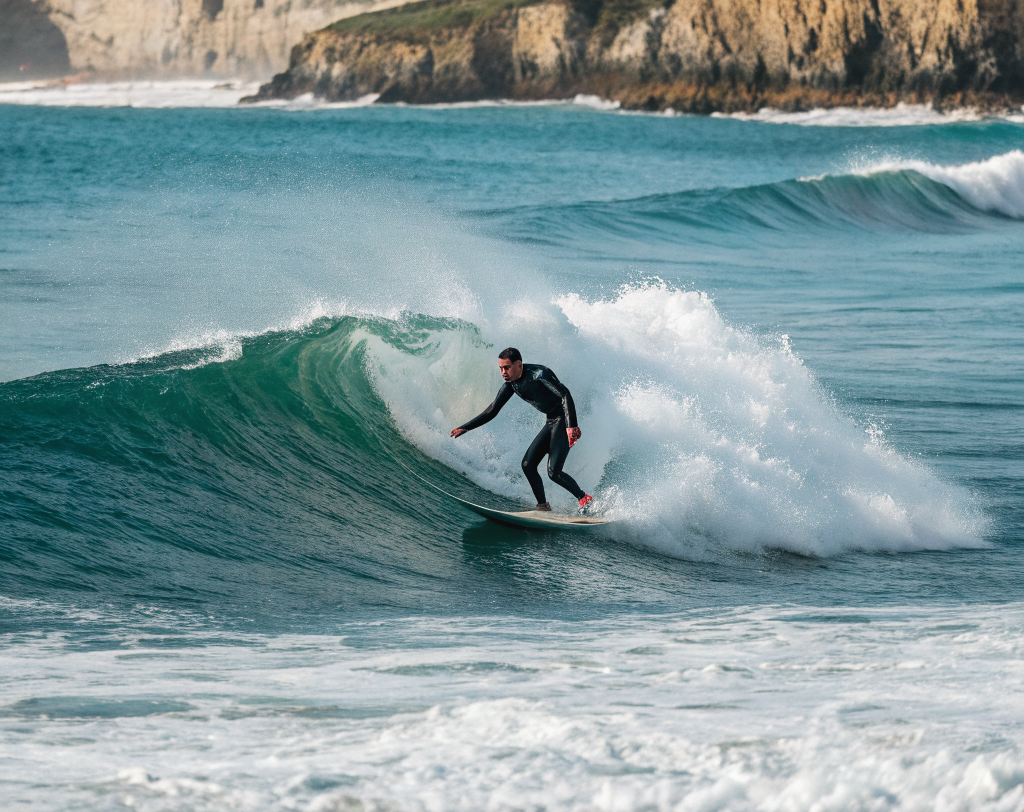
Table of Contents
Introduction
Looking for a European surf destination that combines consistent waves, vibrant culture, affordable prices, and world-class tapas? Spain offers something few other destinations can match: incredible variety. From the powerful Atlantic swells battering the Basque coastline to the mellow beach breaks of Andalusia, Discover surfing in Spain with the best surf spots, ideal seasons, beginner beaches, surf camps, costs, and essential tips for planning your next surf trip.
Spain attracts surfers of all abilities, from first-timers testing out foam boards on gentle summer waves to experienced chargers hunting barrel sections during autumn’s biggest swells. Whether you’re a digital nomad seeking affordable coastal living, a solo traveler chasing adventure, or a couple planning a romantic surf escape, Spain delivers year-round opportunities without breaking the bank.
This guide explores the best surf spots across Spain’s Atlantic and Mediterranean coastlines, practical budget tips, seasonal considerations, accommodation options, and everything you need to plan an unforgettable Spanish surf adventure.
Why Visit Spain for Surfing?
Spain’s 3,000-mile coastline offers exceptional wave diversity. The northern Atlantic-facing regions receive powerful groundswell from autumn through spring, producing world-class waves comparable to France or Portugal. Meanwhile, southern beaches provide gentler conditions ideal for progression and year-round warmth.
Key advantages include:
- Consistent waves: Atlantic coastlines receive reliable swell September through May
- Variety: Everything from mellow beach breaks to heavy reef breaks
- Affordability: Cheaper than France, Portugal, or most European destinations
- Accessibility: Excellent airports in Bilbao, Santander, Asturias, and Malaga
- Culture: Rich surf culture mixed with incredible food, wine, and nightlife
- Climate: Southern regions offer comfortable winter surfing; northern areas feature warmer summers
- Beginner-friendly options: Numerous surf schools and gentle beach breaks
Spain suits every surfer. Beginners appreciate the structured surf camps and forgiving waves found along Costa de la Luz. Intermediate surfers enjoy the consistent beach breaks of Cantabria and Asturias. Advanced surfers hunt the heavy reef breaks of the Basque Country during peak swell season.
The relaxed Mediterranean lifestyle, combined with Spain’s excellent infrastructure and passionate local surf community, creates an atmosphere that keeps surfers returning season after season.
Best Surf Spots in Spain
Spain’s coastline stretches from the French border to Portugal, offering dozens of quality surf breaks. Here are 15 essential spots covering northern Atlantic regions and southern Mediterranean areas.
Mundaka, Basque Country
Mundaka ranks among Europe’s finest waves a long, powerful left-hand rivermouth barrel that draws international surfers every autumn. This wave demands respect and experience. When conditions align during big Atlantic swells and low tide, Mundaka produces hollow, mechanical tubes up to 300 meters long.
Best for: Advanced surfers only
Peak season: September to November
Crowds: Extremely crowded during prime conditions
Note: Localism can be intense; show respect and wait your turn
Zarautz, Basque Country
This long, consistent beach break offers something for everyone. Zarautz’s sandy bottom and multiple peaks spread crowds effectively, making it a excellent choice for intermediate surfers developing their skills. The town itself provides excellent infrastructure, restaurants, and accommodation.
Best for: Intermediate surfers
Season: September through April
Vibe: Friendly surf town atmosphere with active local surf scene
Rodiles, Asturias
Rodiles serves up quality right-hand point waves breaking along a sandy rivermouth. Conditions work best during medium to high tide with northwest swell. The wave offers long, workable sections perfect for practicing turns and building confidence.
Best for: Intermediate to advanced
Season: Autumn and winter
Access: Scenic location requiring short walk from parking area
Tapia de Casariego, Asturias
This consistent left-hand reef break handles bigger swells while maintaining surfable shape. Tapia works when many other spots blow out, making it a valuable backup option during unsettled weather patterns.
Best for: Intermediate surfers comfortable with reef breaks
Crowds: Less crowded than Basque Country spots
Conditions: Works on various tide stages
Salinas, Asturias
A popular beach break offering multiple peaks along a wide, sandy beach. Salinas provides beginner-friendly summer waves and more challenging autumn conditions. The beachfront walkway, restaurants, and surf infrastructure make this an excellent base for multi-day trips.
Best for: All levels depending on conditions
Season: Year-round surfability
Amenities: Excellent for families and groups
Pantín, Galicia
Home to the annual Pantín Classic surf competition, this beach break produces powerful, hollow waves during optimal conditions. Pantín requires respect currents can be strong, and wave power increases significantly during larger swells.
Best for: Intermediate to advanced
Season: September through March
Character: Exposed beach receiving maximum Atlantic energy
Razo, Galicia
This expansive beach offers consistent waves and beautiful scenery. Multiple peaks reduce crowding, and the sandy bottom forgives mistakes. Razo works across various swell sizes, providing options when other spots are too big or too small.
Best for: All levels
Season: Year-round, particularly good autumn through spring
Vibe: Relaxed atmosphere away from major surf crowds
Somo, Cantabria
Located near Santander, Somo features a long beach break with consistent waves and excellent surf school infrastructure. The town provides budget-friendly accommodation and easy access from Santander airport, making it perfect for weekend surf trips.
Best for: Beginners and intermediates
Season: Year-round, summer for beginners
Infrastructure: Numerous surf camps and rental shops
Liencres, Cantabria
A quality beach break situated within a protected natural park. Liencres offers consistent waves with beautiful coastal scenery. The natural setting attracts surfers seeking a more peaceful experience away from crowded urban beaches.
Best for: Intermediate surfers
Crowds: Moderate
Environment: Protected area with pristine beaches
El Sardinero, Cantabria
This urban beach break sits in central Santander, providing convenient access and good waves. While not Spain’s most spectacular surf spot, El Sardinero offers reliable conditions and excellent amenities for travelers prioritizing convenience.
Best for: All levels
Advantages: Easy access, nearby accommodation and restaurants
Summer: Busy with tourists; early morning sessions recommended
Sopelana, Basque Country
Located near Bilbao, Sopelana features powerful beach breaks receiving consistent Atlantic swell. The exposed position creates challenging conditions appreciated by stronger paddlers. Multiple peaks help distribute crowds across the beach.
Best for: Intermediate to advanced
Access: Metro connection from Bilbao makes car-free travel possible
Character: Urban surf beach with energetic vibe
El Palmar, Andalusia
Southern Spain’s premier surf destination, El Palmar provides consistent beach breaks year-round. The relaxed bohemian atmosphere, affordable accommodation, and warmer climate make this a favorite winter destination. Waves suit all abilities, from gentle summer rollers to more powerful autumn swells.
Best for: All levels
Season: Year-round, autumn best for quality waves
Lifestyle: Laid-back beach village with excellent seafood
Caños de Meca, Andalusia
This scenic beach near Cape Trafalgar offers fun beach breaks in a beautiful natural setting. Conditions work best during Atlantic swells wrapping into the Strait of Gibraltar. The bohemian village attracts alternative travelers and surfers seeking a quieter scene.
Best for: Beginner to intermediate
Vibe: Relaxed, hippie-influenced atmosphere
Scenery: Dramatic cliffs and pristine beaches
Tarifa, Andalusia
Spain’s southernmost point catches Mediterranean swells and Atlantic wraps. Tarifa is better known for kitesurfing and windsurfing due to constant winds, but surfing opportunities exist, particularly during calmer autumn and winter periods when Atlantic swells push through.
Best for: Beginners on smaller days
Alternative: Excellent windsurfing and kitesurfing destination
Culture: Vibrant international town with Moroccan influences
Barcelona and Costa Brava
Mediterranean surfing lacks the consistency of Atlantic coastlines, but Barcelona and surrounding beaches occasionally produce rideable waves during autumn and winter storm systems. Don’t plan a dedicated surf trip here, but if you’re visiting Barcelona, check the forecast you might score uncrowded city surf.
Best for: Opportunistic sessions for travelers already in the area
Consistency: Low compared to Atlantic coast
Advantage: Uncrowded when it works
Spain’s diverse coastline means you can find waves regardless of skill level or preferred wave type. Locations like surfing spai, surf cadiz spain, best surfing in spain, spain surfing, malaga surf provide additional perspectives on regional surf opportunities.
Best Time to Surf Spain
Timing your Spanish surf adventure significantly impacts wave quality, crowds, water temperature, and budget. Spain offers year-round surfing, but optimal conditions vary by region and ability level.
Autumn (September–November)
Best overall surf season for most locations
- Consistent Atlantic swells arrive regularly
- Water remains relatively warm from summer heating
- Lighter winds compared to winter
- Fewer tourists after summer ends
- Comfortable air temperatures
Ideal for: Intermediate and advanced surfers seeking quality waves
Winter (December–February)
Biggest swells and most powerful conditions
- Maximum wave size and power
- Coldest water temperatures (wetsuit necessary even in south)
- Strong winds more common
- Cheapest accommodation and flight prices
- Southern beaches like El Palmar remain comfortable
Ideal for: Experienced surfers and budget travelers willing to brave cooler temperatures
Spring (March–May)
Excellent shoulder season with improving conditions
- Decreasing swell consistency but still regular waves
- Warming water and air temperatures
- Wildflowers and beautiful coastal scenery
- Moderate prices
- Less crowded than summer or peak autumn
Ideal for: All levels seeking balance between waves and weather
Summer (June–August)
Beginner-friendly conditions with smallest waves
- Smallest, gentlest waves of the year
- Warmest water temperatures
- Most crowded beaches and towns
- Highest accommodation prices
- Perfect for first-time surfers
Ideal for: Beginners, families, and travelers prioritizing warm weather over wave quality
| Season | Wave Conditions | Skill Level | Crowds | Budget |
|---|---|---|---|---|
| Winter | Biggest, most powerful | Advanced | Low | Budget-friendly |
| Spring | Moderate, decreasing | All levels | Moderate | Mid-range |
| Summer | Small, gentle | Beginner | High | Expensive |
| Autumn | Consistent, quality | Intermediate-Advanced | Moderate-High | Mid-range |
Northern regions (Basque Country, Cantabria, Asturias, Galicia) receive the most consistent swell. Southern regions (Andalusia) offer warmer conditions year-round but smaller, less frequent waves.
How Much Does a Surf Trip Cost?
Spain ranks among Europe’s most affordable surf destinations. Budget varies based on region, season, accommodation style, and activities, but expect significantly lower costs than France, Portugal, or most Western European countries.
Budget Surf Trip (€25–€40 per day)
- Accommodation: Surf hostel dorm bed (€12–€20/night)
- Food: Supermarket meals, occasional menu del día (€8–€12/day)
- Surfboard rental: €10–€15/day (weekly rates reduce cost)
- Transportation: Walking or occasional bus (€2–€5/day)
- Total: Approximately €25–€40/day
Mid-Range Surf Trip (€60–€100 per day)
- Accommodation: Private room in surf hostel or budget hotel (€30–€50/night)
- Food: Mix of restaurants and self-catering (€20–€30/day)
- Surfboard rental: €10–€15/day
- Transportation: Rental car shared with others (€10–€15/day per person)
- Surf lessons: Optional (€30–€40 per session)
- Activities: Entrance fees, drinks (€10–€20/day)
- Total: Approximately €60–€100/day
Surf Camp Package (€350–€700 per week)
Many Spanish surf camps include accommodation, meals, surf lessons, equipment rental, and transportation to surf spots. Weekly packages offer excellent value, particularly for beginners or travelers preferring organized experiences.
Typical inclusions:
- Shared accommodation
- Two surf lessons daily
- Equipment rental
- Some meals
- Surf spot transportation
- Social activities
Prices vary by season and location. Southern camps tend to cost less than Basque Country options.
Money-Saving Tips
- Visit during shoulder seasons (spring/autumn) for lower accommodation costs
- Cook meals using local markets and supermarkets
- Rent equipment by the week for better rates
- Stay slightly inland from premium beachfront locations
- Use BlaBlaCar for intercity travel
- Book accommodation with kitchen facilities
- Take advantage of menu del día lunch specials (€10–€15 for three courses)
Where to Stay
Spain’s surf towns offer accommodation for every budget and travel style.
Surf Hostels
Best for: Solo travelers, budget surfers, social atmosphere
Surf hostels provide affordable dorm beds (€12–€25/night), communal kitchens, social spaces, and built-in surf communities. Many organize daily surf sessions, equipment rental, and group activities.
Top locations: Somo, Zarautz, Salinas, El Palmar
Surf Camps
Best for: Beginners, structured learning, all-inclusive convenience
Surf camps bundle accommodation, lessons, meals, and equipment into weekly packages. They remove planning stress and provide expert guidance for improving your surfing.
Popular areas: Cantabria, Asturias, Andalusia
Budget Hotels and Guesthouses
Best for: Couples, privacy seekers, mid-range budgets
Small family-run hotels and guesthouses offer clean private rooms (€35–€60/night) with more comfort than hostels at reasonable prices. Many provide breakfast and local recommendations.
Apartments and Vacation Rentals
Best for: Groups, longer stays, self-catering
Renting apartments through platforms like Airbnb works well for groups splitting costs or travelers staying several weeks. Kitchen facilities enable budget-friendly self-catering.
Beachfront Hotels
Best for: Premium experience, convenience, non-budget travelers
Higher-end hotels (€80+/night) offer beachfront access, amenities, and comfort. Less common among budget surf travelers but available in most major surf towns.
Recommended areas by region:
- Basque Country: Zarautz, Mundaka village
- Cantabria: Somo, Santander
- Asturias: Salinas, Gijón
- Galicia: Razo, Pantín area
- Andalusia: El Palmar, Conil de la Frontera
Getting Around
Rental Car
Most flexible option for surf exploration
Renting a car provides freedom to chase swells, access remote breaks, and transport equipment easily. Prices start around €20–€30/day for basic models. Sharing costs among multiple travelers makes this extremely affordable.
Advantages:
- Freedom to move between surf spots
- Easy equipment transport
- Access to uncrowded breaks
- Explore beyond main tourist areas
Book online in advance for best rates
Public Transportation
Budget-friendly but limiting
Spain’s bus and train networks connect major cities and towns. Regional buses reach many surf areas, though schedules may be limited. Carrying surfboards on public transport can be challenging.
Works best for: Staying in one location or traveling light
Airport Transfers
Most surf regions offer shuttle services connecting airports to surf towns:
- Bilbao Airport → Basque surf towns
- Santander Airport → Somo and