
Surfing in Java Indonesia: Untamed Waves & Coastal Escapes
Explore surfing in Java, Indonesia, from remote beaches to powerful reef breaks. Discover the best surf spots, seasons, wave conditions and travel tips.
Table of Contents
Introduction
Looking for a surf destination where powerful reef breaks, remote beaches, and authentic Indonesian culture combine to create an unforgettable wave-riding adventure? Java often gets overlooked by surfers heading straight to Bali, but this Indonesian island delivers world-class waves, fewer crowds, and a genuine escape from the typical surf tourism trail. Explore surfing in Java, Indonesia, from remote beaches to powerful reef breaks. Discover the best surf spots, seasons, wave conditions and travel tips.
Java stretches across Indonesia’s heartland, offering everything from volcanic black-sand beaches to protected bays and exposed reef breaks that light up during the dry season. Whether you’re an intermediate surfer looking to progress on consistent waves or an experienced rider chasing powerful barrels, Java delivers a raw and rewarding surf experience. This guide covers the best surf spots, ideal surf seasons, budget planning, practical travel tips, and everything you need to plan an epic Java surf adventure.
Why Visit Java for Surfing?
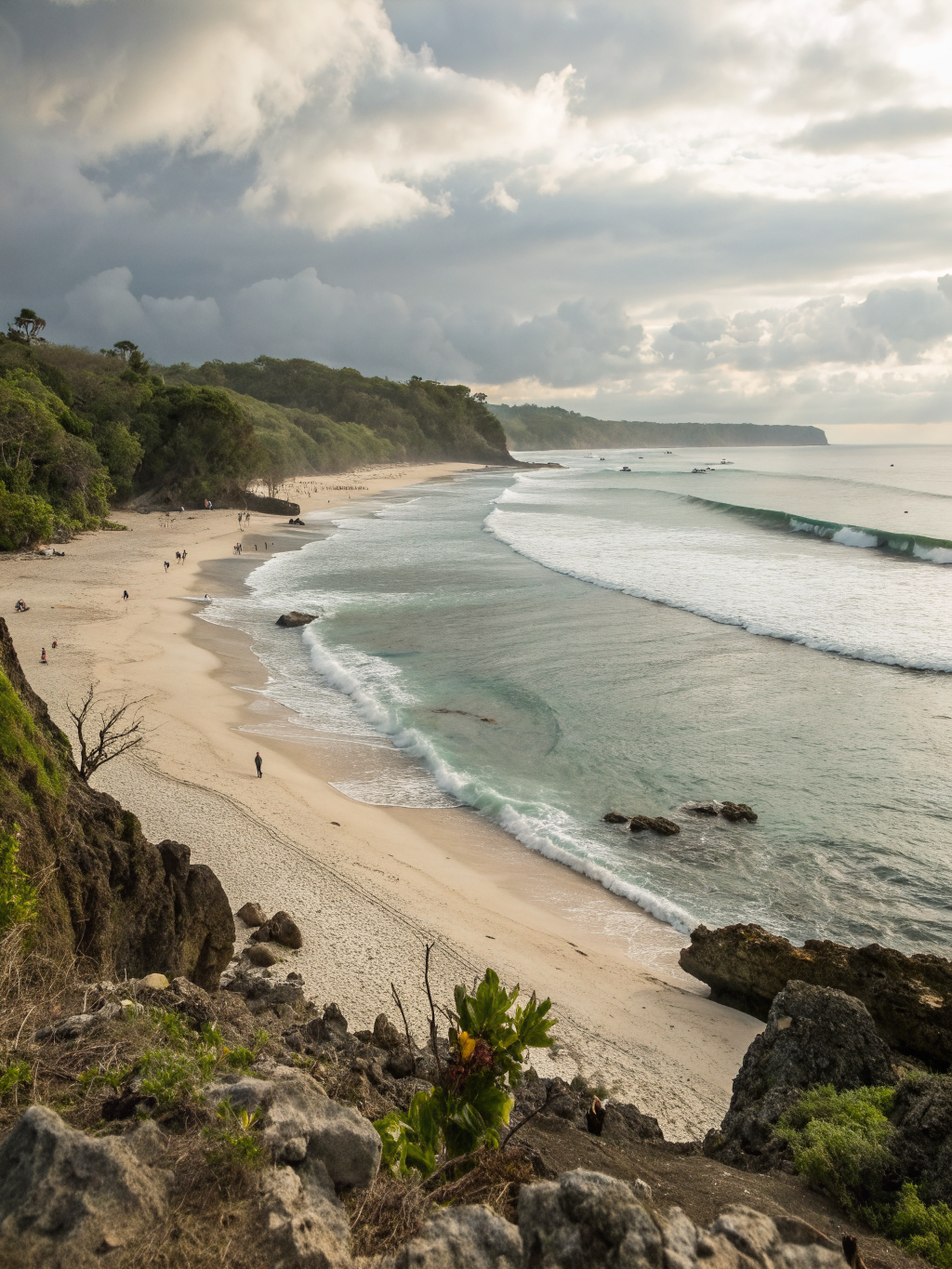
Java offers a compelling alternative to Bali’s crowded lineups. The island receives consistent Indian Ocean swells throughout the dry season, creating powerful waves that break over shallow reefs and volcanic rock shelves. The surf culture remains authentic, with local surfers welcoming respectful visitors and surf spots maintaining a raw, untouched character.
The island appeals particularly to intermediate and advanced surfers who want to test themselves on challenging waves without battling massive crowds. Java’s southern coastline faces directly into incoming swells, producing reef breaks that can rival anything found elsewhere in Indonesia. The landscape adds drama to every session—active volcanoes form the backdrop, lush rice terraces cascade toward the coast, and traditional fishing villages dot the shoreline.
Affordability stands out as another major advantage. Accommodation, food, and transportation costs remain significantly lower than Bali, making Java an excellent choice for budget travelers and digital nomads seeking extended surf trips. The island’s infrastructure continues improving, with better roads and more surf-focused accommodation opening each year, yet it retains that adventurous, off-the-beaten-path atmosphere that many surfers crave.
Java suits surfers who appreciate wave quality over nightlife, value authentic cultural experiences, and don’t mind navigating occasional language barriers or basic facilities. If you want air-conditioned surf camps with WiFi and smoothie bowls, you’ll find them. If you prefer staying in simple guesthouses and eating at local warungs, those options exist too.
Best Surf Spots in Java
The Java Indonesia surf spots, best surf spots in Java, Java Indonesia surfing scene centers around several distinct regions, each offering different wave characteristics and experiences.
G-Land (Grajagan)
G-Land ranks among Indonesia’s most famous waves and consistently appears on lists of the world’s best left-hand barrels. Located within Alas Purwo National Park on Java’s southeastern tip, this reef break delivers long, hollow tubes that can run for 200 meters or more during optimal swells.
Wave type: Left-hand reef break
Skill level: Advanced
Best swell direction: South to southwest
Best season: April through October
G-Land breaks over sharp reef in relatively shallow water, making it suitable only for experienced surfers comfortable with powerful waves and technical takeoffs. The wave offers multiple sections—Kongs, Moneytrees, Speedies, and Launching Pads—each providing different barrel opportunities. Crowds remain moderate compared to Bali, though the wave’s reputation attracts traveling surfers during peak season.
Accommodation consists mainly of surf camps accessible only by boat or 4WD vehicle through the national park. The remote location means you’re fully committed to surfing, with limited activities beyond exploring the jungle and wildlife.
Cimaja
Cimaja serves as West Java’s primary surf hub and offers the most accessible waves for traveling surfers. Located about three hours from Jakarta, this beach break provides consistent waves suitable for various skill levels, making it popular with Indonesian surfers and international visitors.
Wave type: Beach break with reef sections
Skill level: Beginner to intermediate
Best season: May through September
The main peak breaks both left and right over sand and rock, creating forgiving conditions for surfers developing their skills. Several other spots scatter along the coastline within short motorbike rides, including reef breaks that work on bigger swells. Cimaja offers the best selection of surf schools, board rentals, and budget accommodation on Java’s surf coast.
Batu Karas
Batu Karas provides a mellow alternative to Java’s more intense reef breaks. This protected bay produces gentle, rolling waves perfect for beginners and longboarders, while nearby headlands offer more challenging options when conditions allow.
Wave type: Point break and beach break
Skill level: Beginner to intermediate
Best season: April through October
The village maintains a relaxed atmosphere, with bamboo guesthouses, yoga studios, and vegetarian restaurants giving it a slightly bohemian vibe. Surfers traveling with non-surfing partners or families appreciate Batu Karas for its swim-friendly beaches and chilled-out environment.
Pacitan
Pacitan region on Java’s south coast hides numerous quality reef breaks that remain relatively uncrowded. The area requires more effort to reach, rewarding adventurous surfers with consistent waves and authentic local experiences.
Wave type: Various reef breaks
Skill level: Intermediate to advanced
Best season: April through October
Waves here break over shallow reefs and require confidence reading conditions and navigating channels. Several spots work best at different tide stages, so understanding local knowledge helps maximize your sessions.
Pelabuhan Ratu
Pelabuhan Ratu offers powerful beachbreaks and reef options within reach of Jakarta, making it popular for weekend surf missions. The bay receives consistent swells and produces waves ranging from beginner-friendly rollers to heavy barrels.
Wave type: Beach and reef breaks
Skill level: All levels depending on conditions
Best season: April through October
Conditions change rapidly with tide and swell, creating opportunities throughout the day for different skill levels. The area offers decent accommodation and food options, though the town itself focuses more on domestic tourism than surf travel infrastructure.
Best Time to Surf Java
Peak surf season runs from April through October, coinciding with Indonesia’s dry season. During these months, consistent south to southwest swells pulse through the Indian Ocean, lighting up Java’s southern-facing breaks. Offshore morning winds groom the waves, creating clean conditions for early sessions before sea breezes develop.
Wave conditions: Dry season delivers the most consistent swells, with wave faces ranging from chest-high to well overhead depending on swell size and local bathymetry. Reef breaks produce hollow, powerful waves, while beach breaks offer more forgiving shoulders.
Skill level: Intermediate and advanced surfers find ideal conditions during peak season. Beginners should focus on protected spots like Batu Karas or smaller days at beach breaks.
Crowds: Java remains significantly less crowded than Bali, though popular spots like G-Land and Cimaja see increased numbers during July and August when European and Australian surfers take holidays.
Water temperature: Tropical water stays warm year-round, typically 26-28°C (79-82°F). Most surfers wear boardshorts or spring suits, though some prefer rash guards for sun protection during extended sessions.
Wetsuit requirements: None, though a rash guard or thin spring suit provides protection from sun, reef rash, and occasional cooler water on cloudy days.
The wet season from November through March brings inconsistent conditions, onshore winds, and heavy rainfall that can muddy river mouths and affect water quality. Some breaks still work during this period, particularly on rare offshore wind days, but most traveling surfers avoid Java during these months.
| Season | Wave Conditions | Skill Level | Crowds | Weather |
|---|---|---|---|---|
| April-June | Building swells, clean mornings | Intermediate+ | Low to moderate | Dry, sunny |
| July-August | Peak consistency, larger swells | Intermediate+ | Moderate to high | Dry, sunny |
| September-October | Consistent swells, ideal conditions | Intermediate+ | Moderate | Dry, warming |
| November-March | Inconsistent, onshore winds | Variable | Low | Wet, rainy |
How Much Does a Surf Trip to Java Cost?
Java offers excellent value for budget-conscious surfers, with costs significantly lower than Bali or other popular Indonesian surf destinations.
Budget Surf Trip (Per Day):
- Accommodation: Basic guesthouse or hostel bed
- Food: Local warungs and street food
- Surfboard rental: When needed
- Transportation: Motorbike rental or shared transport
- Daily activities: Beach time, exploring
Mid-Range Surf Trip (Per Day):
- Accommodation: Comfortable guesthouse or small surf camp
- Food: Mix of local restaurants and occasional western meals
- Surfboard rental: Quality boards from surf shops
- Transportation: Motorbike or occasional private driver
- Activities: Surf lessons, day trips, cultural sites
Surf Camp Package:
Many surf camps offer weekly packages that include accommodation, meals, boat transfers to surf breaks, and guided sessions. These packages typically represent good value for surfers who prefer organized travel and want hassle-free access to remote breaks like G-Land.
Additional Expenses to Consider:
- Domestic flights from Jakarta or other Indonesian cities
- Reef booties for sharp reef breaks
- Travel insurance with surf coverage
- Surfboard bag fees if bringing your own equipment
- Visa extension fees for stays exceeding 30 days
Food costs remain particularly low, with filling local meals available at traditional warungs for very reasonable prices. Even mid-range restaurants serving western food cost considerably less than comparable meals in Bali or western countries.
Where to Stay
Cimaja offers the widest selection of surf accommodation, from backpacker hostels to comfortable guesthouses and small surf camps. Staying near the main break puts you within walking distance of multiple surf spots, restaurants, and rental shops.
G-Land accommodation consists exclusively of surf camps accessible only by boat or 4WD through the national park. These camps provide full-board packages including meals, boat transfers to different sections of the wave, and basic but functional bamboo bungalows. Booking ahead is essential, especially during peak season.
Batu Karas features budget guesthouses, family-run homestays, and a few boutique options with yoga platforms and healthy food. The village layout means most accommodation sits within short walks of the main surf breaks.
Pacitan region offers basic guesthouses and small hotels in the main town, with a few surf-specific options closer to the breaks. Accommodation remains simple and functional rather than luxurious, reflecting the area’s authentic, low-key character.
Solo travelers find easy accommodation in hostels with communal areas where meeting other surfers happens naturally. Couples and groups might prefer booking private bungalows or guesthouses with multiple rooms. Digital nomads should confirm WiFi quality before booking, as connection speeds vary significantly, especially in remote coastal areas.
Getting Around
From Jakarta:
Most international travelers arrive through Jakarta’s Soekarno-Hatta International Airport. From there, options include:
- Domestic flights to regional airports near surf areas (when available)
- Private drivers for direct transfers to surf destinations (comfortable but more expensive)
- Public buses to major towns, then local transport to beaches (most economical but time-consuming)
Local Transportation:
Motorbike rental provides the most freedom and remains the most popular option among traveling surfers. Scooters cost very little per day, and roads connecting major surf areas continue improving. International driver’s licenses are technically required, though enforcement varies.
Ojeks (motorbike taxis) and angkots (shared minivans) offer cheap transport for shorter distances. These work well for surfers without international licenses or those uncomfortable riding motorbikes.
Private drivers can be hired for day trips or multi-day surf missions. This option makes sense when traveling with surfboards and luggage or exploring multiple surf spots over several days.
Transporting surfboards: Most motorbike rental shops provide board racks, making it easy to transport your equipment between breaks. Larger boards or multiple boards might require hiring a car or arranging private transport.
What to Pack for a Java Surf Trip
Surf Equipment:
- Surfboard: Bring your preferred board or plan to rent locally. Java’s powerful reefs favor shorter, rockered boards with enough volume to paddle into steep takeoffs
- Leash: Pack a backup
- Wax: Tropical temperature wax
- Fins: Bring spares
- Rash guard or spring suit: Sun protection and minor reef protection
- Reef booties: Essential for many reef breaks
- Ding repair kit: Basic repairs for inevitable board damage
Clothing:
- Lightweight, quick-dry clothing
- Long sleeves for sun protection
- Sarong for temple visits and beach coverage
- Light rain jacket during shoulder seasons
Essentials:
- Reef-safe sunscreen: Protect skin and coral reefs
- Travel adapter: Indonesia uses Type C/F plugs
- Waterproof phone pouch: Protect electronics
- First-aid kit: Antiseptic for cuts, pain relievers, stomach remedies
- Water purification tablets or reusable bottle with filter
- Travel insurance documents: Including surf coverage
Optional:
- Waterproof camera for capturing sessions
- Headlamp for early morning missions
- Sarong for temple visits
Best Java Surf Trip Itinerary
Day 1 — Arrival & Acclimatization
Arrive in Jakarta, transfer to Cimaja (approximately 3-4 hours). Check into accommodation, rent motorbike if needed, explore the village, and catch a sunset session at the main break to shake off travel stiffness.
Day 2-3 — Cimaja Surf Sessions
Dawn patrol the main peak, focusing on reading the lineup and understanding local conditions. Explore nearby breaks during midday when winds pick up. Evening sessions for mellow waves and stunning sunsets.
Day 4 — Transfer to Batu Karas
Drive east along the coast (approximately 2-3 hours), stopping at lesser-known breaks along the way. Settle into Batu Karas and enjoy a relaxed afternoon session on the gentle point break.
Day 5 — Batu Karas Exploration
Morning surf followed by yoga or beach time. Explore nearby reef breaks by motorbike if you’re feeling adventurous. Evening session on the point break for longboard-friendly waves.
Day 6-7 — Pacitan Region
Transfer to Pacitan area to explore remote reef breaks. Hire a local guide who knows the breaks, tides, and channels. Surf uncrowded waves and experience authentic coastal Java life.
Day 8 — Rest & Culture
Recovery day exploring inland attractions: rice terraces, temples, traditional villages, or volcanic hot springs. Rest sore muscles while experiencing Java’s remarkable cultural heritage.
Day 9-10 — Return to Best Conditions
Check surf forecasts and return to whichever area offers the best conditions for your final sessions. Focus on your favorite break or push your limits on more challenging waves.
Surfing Tips for Java
Respect local surfers: Java’s surf community welcomes respectful visitors. Wait your turn, don’t snake locals, and acknowledge good waves with a smile or nod.
Study the reef: Take time observing from the beach before paddling out at new reef breaks. Identify channels, understand where waves break, and watch how local surfers navigate the lineup.
Understand tides: Many reef breaks work best at specific tide stages. Ask locals or your accommodation hosts about optimal tide times for different spots.
Early sessions: Dawn patrol delivers the cleanest conditions before sea breezes develop. Set your alarm early to score glassy waves.
Hire local guides: For remote breaks, local guides provide invaluable knowledge about channels, hazards, and optimal conditions while supporting the local economy.
Protect yourself: Reef booties prevent cuts on sharp coral and rock. Long-sleeve rash guards protect against sun and minor scrapes.
Check forecasts: Use reliable surf forecast sites to track incoming swells. Conditions can change rapidly, so stay informed.
Environmental responsibility: Use reef-safe sunscreen, avoid touching coral, and pack out all trash. Java’s breaks remain pristine partly because visitor numbers stay relatively low—help keep it that way.
Common Mistakes to Avoid
**