
Surfing in France: Best Surf Spots, Beaches & Travel Guide
Discover the best surfing in France, from Hossegor to Biarritz. Explore top surf spots, the best time to visit, beaches, camps and budget tips.
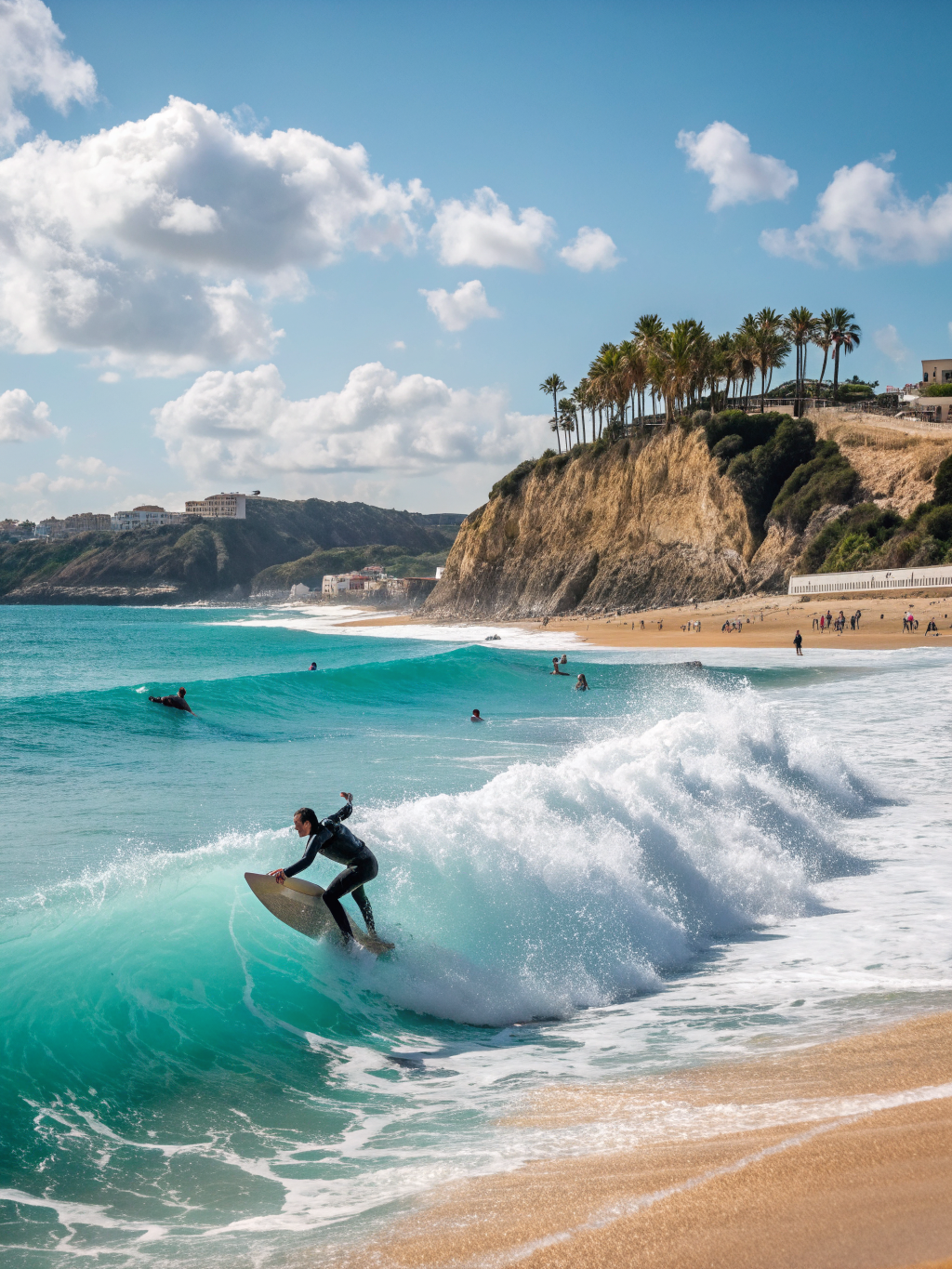
Table of Contents
Introduction
Looking for a European surf destination where world-class waves meet incredible food, rich culture, and surprisingly affordable travel? Discover the best surfing in France, from Hossegor to Biarritz. Explore top surf spots, the best time to visit, beaches, camps and budget tips. France’s southwest coast along the Atlantic delivers consistent swells, diverse beach breaks, and a legendary surf culture that attracts surfers from every corner of the globe.
From powerful beach breaks that challenge advanced surfers to mellow summer waves perfect for beginners, France offers something for every skill level. Whether you’re a solo traveler chasing autumn barrels, a couple seeking a romantic surf escape, or a budget-conscious digital nomad hunting for affordable waves, the French coastline delivers an unforgettable experience. This guide covers everything you need to plan your French surf adventure, from the best surf spots and ideal seasons to practical budget tips and local travel advice.
Why Visit France for Surfing?
France’s Atlantic coastline stands as one of Europe’s premier surf destinations for several compelling reasons. The region receives consistent Atlantic swells throughout the year, with hundreds of kilometers of sandy beach breaks offering waves for every ability level. The surf culture here runs deep, particularly around Biarritz, where surfing first arrived in Europe during the 1950s.
The French coast appeals to budget travelers and luxury seekers alike. Accommodation options range from affordable surf hostels to upscale boutique hotels. Beyond the waves, the region offers exceptional cuisine, historic Basque culture, vibrant nightlife, and stunning natural scenery. Transportation infrastructure is excellent, with major airports, efficient trains, and reasonable car rental rates making it accessible from anywhere in Europe.
Wave quality peaks during autumn and winter when powerful swells produce hollow, powerful waves that attract advanced surfers. Summer brings smaller, gentler conditions ideal for beginners taking their first surf lessons. The water stays relatively warm compared to other Atlantic destinations, though wetsuits remain necessary year-round.
France suits solo surfers looking to meet fellow travelers in surf camps, couples seeking a romantic coastal escape, intermediate surfers wanting to progress their skills, and experienced surfers chasing challenging barrels. The combination of consistent waves, excellent food, cultural richness, and reasonable costs makes France a standout surf destination.
Best Surf Spots in France
The southwest coast of France stretches from the Spanish border north past Bordeaux, featuring dozens of quality surf spots. These french surf spots, surf south of france, surf france spot, french surfing beaches, france surfing locations deliver the country’s most consistent and highest-quality waves.
Hossegor
Hossegor represents the epicenter of French surfing and hosts international surf competitions including World Surf League events. This famous surf town features multiple beach breaks delivering powerful, hollow waves that can rival anywhere in the world during peak autumn swells.
La Gravière stands as Hossegor’s most renowned break, producing heavy, barreling waves that challenge even experienced surfers. The wave breaks close to shore over shifting sandbars, creating intense, fast-moving barrels. This spot demands respect and solid intermediate to advanced skills, particularly during larger swells.
La Nord and La Sud offer slightly more forgiving conditions while still providing excellent wave quality. These beach breaks suit intermediate surfers looking to progress their skills without the full intensity of La Gravière. During summer, conditions mellow considerably, making Hossegor accessible to beginners during morning sessions when winds remain calm.
Crowds can be significant during peak season, particularly around competition periods in September and October. Early morning sessions offer the best chance to avoid lineup congestion. The town itself features abundant surf shops, board rentals, surf schools, restaurants, and accommodation options catering specifically to surfers.
Biarritz
Biarritz holds historical significance as the birthplace of European surfing and maintains a sophisticated, elegant atmosphere distinct from other French surf towns. The city offers multiple surf spots within easy reach, varied wave types, and a beautiful Belle Époque architectural backdrop.
Grande Plage sits in the heart of Biarritz and provides accessible waves for beginners and intermediate surfers. The beach break picks up plenty of swell and features relatively gentle waves during smaller conditions. Surf schools operate directly on the beach, making this an ideal spot for first-time surfers.
Côte des Basques, located just south of the main town, delivers quality waves for intermediate surfers and offers a more relaxed atmosphere than Grande Plage. The spot features both beach break and some rocky areas, with shifting peaks depending on sandbar formations and swell direction.
For experienced surfers, Anglet’s beaches just north of Biarritz offer powerful beach breaks that rival Hossegor’s intensity. Chambre d’Amour, Marinella, and Les Cavaliers deliver hollow, challenging waves during autumn and winter swells.
Biarritz combines excellent surfing with cultural attractions including museums, excellent restaurants, thalassotherapy spas, and stunning coastal walks. The city works perfectly for couples where one person surfs while the other explores, or for surfers wanting to balance wave-riding with other activities.
Capbreton
Located just south of Hossegor, Capbreton offers similar wave quality with slightly smaller crowds. The town features a unique underwater canyon that funnels swells directly toward the coast, creating powerful, consistent waves throughout the year.
The Estacade, Capbreton’s most famous break, centers around the town’s pier and produces quality waves with multiple peaks spreading crowd pressure. The spot works across various tide stages and handles different swell directions, making it remarkably consistent.
Capbreton suits intermediate surfers looking to avoid Hossegor’s intensity and crowds while still accessing quality French surf. The town maintains a more relaxed, family-friendly atmosphere compared to its famous neighbor, with good accommodation options and a pleasant harbor area.
Lacanau
North of Bordeaux, Lacanau provides powerful Atlantic beach breaks in a more laid-back setting than the southern surf towns. The town becomes particularly popular with French surfers from Bordeaux seeking weekend waves.
Central beach delivers consistent waves suitable for intermediate surfers, while northern and southern beaches offer quieter peaks for those wanting to escape crowds. Wave quality matches other French spots during solid swells, with powerful, hollow sections on better days.
Lacanau works well for surfers combining a visit to Bordeaux with wave-hunting, or those seeking a quieter alternative to busier southern destinations. Accommodation tends to be slightly more affordable than premium locations like Hossegor and Biarritz.
Seignosse
Situated between Hossegor and Capbreton, Seignosse features several excellent beach breaks including Les Bourdaines, Les Casernes, and Les Estagnots. These spots deliver quality waves with marginally fewer crowds than Hossegor’s main breaks.
Les Estagnots particularly appeals to intermediate surfers, offering powerful waves without the extreme intensity of La Gravière. The beach stretches for kilometers, providing numerous peaks and reducing crowd pressure even during busy periods.
Seignosse offers quieter accommodation options than Hossegor while maintaining easy access to the region’s best waves. The natural, forested environment creates a peaceful atmosphere perfect for surfers seeking a more relaxed base.
Best Time to Surf France
French surf conditions vary dramatically throughout the year, with distinct seasons offering different experiences for various skill levels.
| Season | Wave Conditions | Skill Level | Crowds | Water Temperature |
|---|---|---|---|---|
| Autumn (September-November) | Large, powerful swells with excellent wave quality | Intermediate to Advanced | High in September, moderate October-November | 16-19°C, 3/2mm wetsuit |
| Winter (December-February) | Consistent, powerful swells with challenging conditions | Advanced | Low to moderate | 12-14°C, 4/3mm or 5/3mm wetsuit |
| Spring (March-May) | Variable conditions with decreasing swell size | All levels | Moderate | 13-16°C, 3/2mm or 4/3mm wetsuit |
| Summer (June-August) | Smaller, gentler waves with occasional flat spells | Beginner to Intermediate | High | 18-21°C, spring suit or 3/2mm wetsuit |
Autumn represents peak season for experienced surfers. September through November delivers the year’s most consistent, powerful swells generated by Atlantic storms. Wave quality reaches its highest during this period, with hollow, barreling conditions at spots like Hossegor. September sees the largest crowds due to surf competitions and ideal weather, while October and November offer similar waves with fewer surfers and cooler air temperatures.
Winter brings powerful, consistent swells but requires solid experience and proper wetsuit thickness. Water temperatures drop to their coldest, and air temperatures can be chilly and wet. Crowds thin significantly, rewarding hardy surfers with uncrowded, quality waves. This season suits committed surfers comfortable in challenging conditions.
Spring offers transitional conditions as swell size gradually decreases and water temperatures slowly rise. March and April still receive decent swells suitable for intermediate surfers, while May brings smaller, more manageable waves. Crowds remain moderate, and weather improves, making spring attractive for surfers seeking a balance between wave quality and comfortable conditions.
Summer delivers the year’s smallest waves but provides perfect conditions for beginners. Surf schools operate at full capacity, and beaches become crowded with tourists. Morning sessions typically offer the cleanest conditions before afternoon sea breezes create choppy surfaces. Despite smaller waves, summer appeals to first-time surfers, families, and travelers prioritizing warm weather and beach culture over challenging surf.
The absolute best time depends on your skill level and priorities. Advanced surfers should target September through November for world-class waves. Beginners should visit June through August for gentle learning conditions. Intermediate surfers find excellent conditions during spring and autumn shoulder seasons when waves remain manageable but still offer progression opportunities.
How Much Does a Surf Trip Cost?
France offers surf trip options across budget ranges, from backpacker-friendly to premium experiences.
Budget Surf Trip (€35-55 per day)
- Accommodation: €15-25 per night (surf hostel dorm or camping)
- Food: €15-20 per day (supermarket shopping, occasional affordable restaurants)
- Surfboard rental: €10-15 per day (weekly rates offer better value)
- Wetsuit rental: €8-12 per day
- Transportation: Minimal if staying near breaks, €5-10 for occasional bus travel
- Activities: Beach time, sunset watching, free coastal walks
Budget travelers can surf France affordably by staying in hostels or campsites, self-catering most meals, renting equipment weekly rather than daily, and choosing accommodation within walking distance of surf spots to minimize transportation costs.
Mid-Range Surf Trip (€70-120 per day)
- Accommodation: €40-70 per night (private room in guesthouse, budget hotel, or surf camp)
- Food: €25-40 per day (mix of cooking and restaurant meals)
- Surfboard rental: €10-15 per day (or bring your own board)
- Wetsuit rental: €8-12 per day
- Surf lesson: €40-60 for a 2-hour session (if desired)
- Transportation: €10-20 per day (rental car split between multiple people)
- Activities: Museum visits, wine tasting, coastal towns
Mid-range travelers enjoy comfortable private accommodation, flexibility to eat out regularly, rental car access for exploring multiple surf spots, and occasional surf coaching to improve technique.
Premium Surf Trip (€150+ per day)
- Accommodation: €100+ per night (boutique hotel, upscale surf camp with included meals and coaching)
- Food: €50+ per day (quality restaurants, Basque cuisine, wine)
- Private surf coaching: €80-150 per session
- Transportation: €40+ per day (solo car rental or private transfers)
- Activities: Spa treatments, fine dining, cultural experiences, surfboard purchase
Premium travelers access the best accommodation near prime surf spots, enjoy personalized surf coaching, dine at excellent restaurants, and experience French Basque culture at the highest level.
Specific costs to consider:
- Surf lessons: €40-60 for group lessons, €80-150 for private coaching
- Board rental: €60-90 per week provides better value than daily rates
- Wetsuit rental: €40-60 per week
- Surf camp packages: €400-800 per week typically including accommodation, meals, and coaching
- Car rental: €30-60 per day depending on vehicle and season
- Airport transfer: €30-80 from Biarritz Airport to coastal towns
Traveling during shoulder seasons (May, June, September, October) offers the best value combination of decent waves, good weather, and lower accommodation prices compared to peak summer or competition periods.
Where to Stay
Choosing the right accommodation base significantly impacts your French surf trip experience and daily costs.
Hossegor provides the most surf-focused accommodation with numerous surf hostels, camps, and vacation rentals within walking distance of famous breaks. The town centers entirely around surfing, making it ideal for dedicated wave-hunters. Options range from budget hostels to luxury villas. During autumn competition season, book well in advance as accommodation fills quickly.
Biarritz offers the most variety beyond surfing, combining quality waves with cultural attractions, excellent restaurants, and elegant architecture. Accommodation spans budget hostels to five-star hotels. The city works perfectly for couples or travelers wanting to balance surfing with other activities. Prices tend slightly higher than other locations due to Biarritz’s upscale reputation.
Capbreton and Seignosse provide quieter alternatives to Hossegor with similar wave access and more relaxed atmospheres. These towns offer good value accommodation including apartments, small hotels, and campsites. They suit surfers seeking a peaceful base while maintaining easy access to the region’s best waves.
Surf camps throughout the region typically include accommodation, meals, surf coaching, and equipment rental in package prices ranging from €400-800 per week. These work excellently for solo travelers wanting to meet others, beginners needing instruction and guidance, or anyone preferring hassle-free logistics.
Surf hostels in towns like Hossegor and Biarritz create social atmospheres where travelers easily connect. Dorm beds typically cost €15-25 per night, and many hostels organize group surf sessions, evening activities, and transportation to different surf spots.
Camping offers the most budget-friendly option, with campsites located near beaches throughout the region. Sites typically charge €10-20 per night and offer facilities including hot showers, wifi, and sometimes small shops. Camping works well from late spring through early autumn but requires appropriate gear for occasional rain.
Choose accommodation within walking or short cycling distance of surf breaks to minimize daily transportation needs and maximize surf time. Morning sessions often provide the best conditions, and proximity allows you to check waves easily and paddle out quickly when conditions look promising.
Getting Around
Transportation planning affects both your budget and ability to explore multiple surf spots along France’s extensive coastline.
Airports: Biarritz Airport serves the main surf region with connections to major European cities. Bordeaux Airport provides another option, located about 90 minutes from Hossegor. Both airports offer car rental agencies, making it easy to collect a vehicle upon arrival.
Car rental provides maximum flexibility for exploring different surf spots and beaches along the coast. Daily rates typically range from €30-60 depending on vehicle size and booking timing. Splitting costs between multiple travelers makes car rental very affordable. Having a vehicle allows you to chase the best conditions, avoid crowds by exploring less-known beaches, and access supermarkets for budget-friendly food shopping.
Public transportation exists but proves less convenient for surfers. Buses connect major towns like Biarritz, Hossegor, and Capbreton, but transporting surfboards on buses creates challenges. Trains serve larger cities like Biarritz and Bayonne but don’t directly reach most beach areas.
Cycling works well for getting between nearby spots within individual towns. Many surf towns feature flat terrain and dedicated bike paths. Several accommodation options provide free bicycles for guest use, making this an excellent cost-free transportation option for short distances.
Walking remains feasible if you choose accommodation directly near your preferred surf spot. Hossegor’s compact size allows walking access to multiple breaks from centrally-located hostels or apartments.
For maximum value and flexibility, consider sharing a rental car between multiple people if traveling with friends. Solo travelers might find the best value by staying in one location with walking access to quality waves rather than paying for solo car rental.
What to Pack for a Surf Trip to France
Packing appropriately ensures you’re prepared for France’s variable conditions without bringing unnecessary items.
Surf Equipment:
- Surfboard (if bringing your own; rental widely available)