
Surf News Hawaii: Latest Updates, Waves & Surf Events
Stay up to date with surf news Hawaii! Discover the latest surfing updates, big wave action, local surf events, and exciting stories from Hawaii’s legendary surf spots.
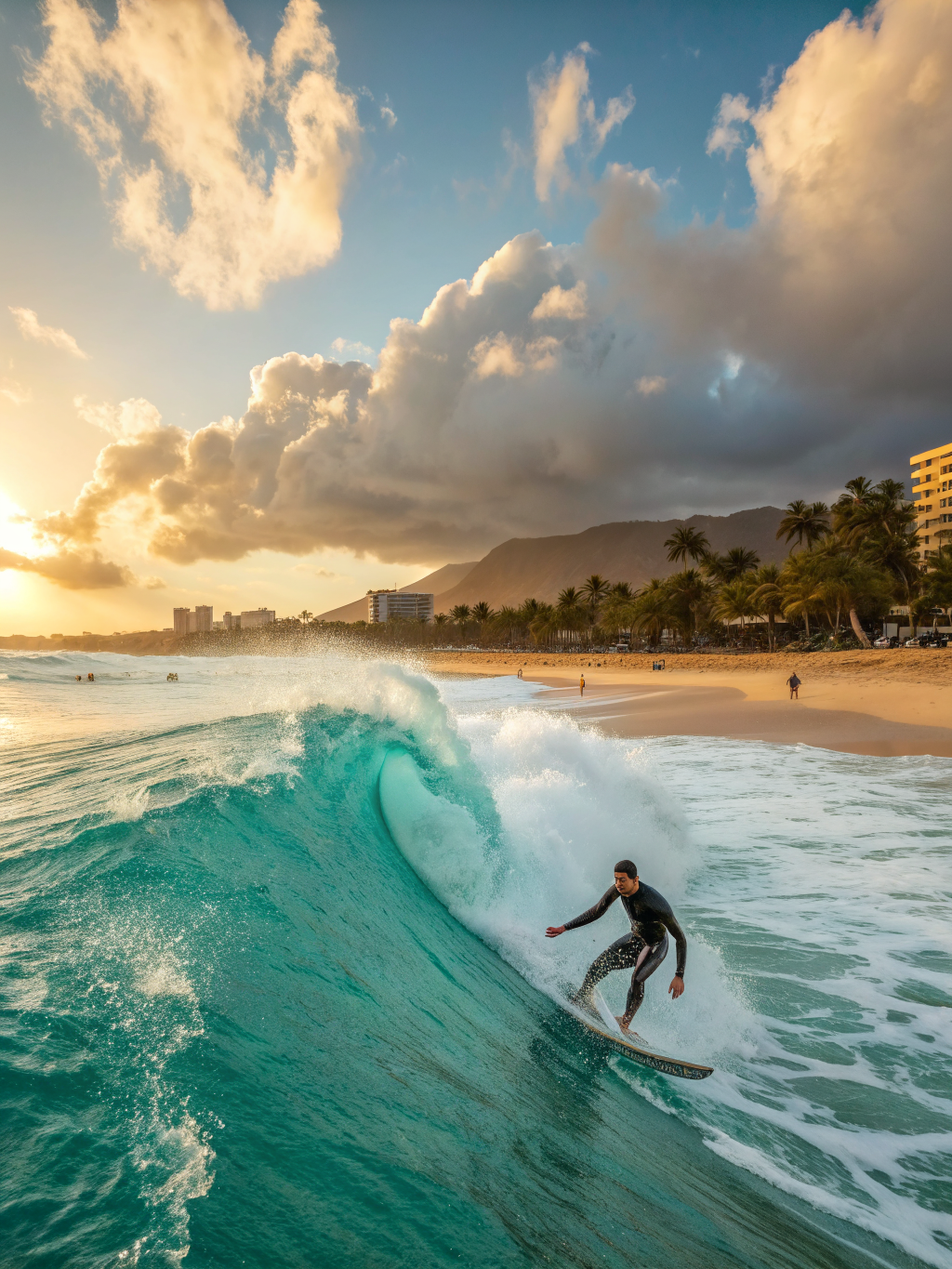
Table of Contents
Introduction
Looking for the pulse of the surfing world? Few places generate more wave-riding excitement, stories, and legendary moments than Hawaii’s iconic coastlines. Stay up to date with surf news Hawaii! Discover the latest surfing updates, big wave action, local surf events, and exciting stories from Hawaii’s legendary surf spots. Whether you’re tracking massive winter swells on Oahu’s North Shore, following pro surf competitions, or simply dreaming of your next Hawaiian surf adventure, staying connected to Hawaii’s surf scene keeps you inspired and informed. From wave forecasts and swell alerts to surf competitions, environmental updates, and local surf culture happenings, Hawaii remains the beating heart of surfing worldwide. This guide will help you navigate the latest surf news, understand where to find reliable reports, and discover what’s happening across Hawaii’s most celebrated surf destinations.
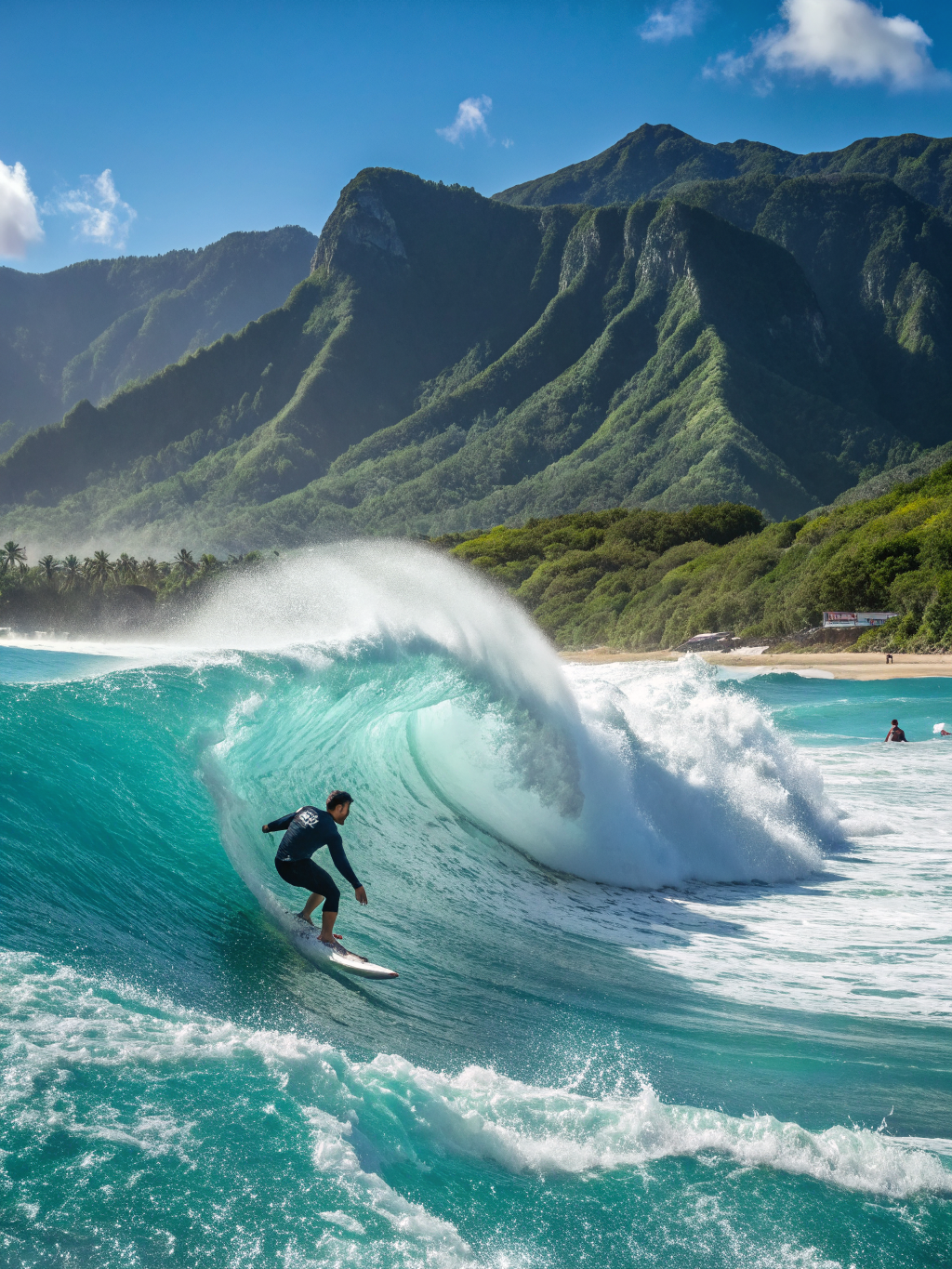
Why Follow Surf News Hawaii?
Hawaii isn’t just another surf destination—it’s the birthplace of modern surfing and home to some of the planet’s most powerful, consistent, and photographed waves. Following surf news from Hawaii offers several compelling benefits for surfers of all levels.
Stay informed about world-class surf conditions. Hawaii’s islands receive swells from multiple directions throughout the year, creating diverse wave conditions. Real-time surf reports help you understand when and where the best waves are breaking, whether you’re planning a trip or living vicariously through surf media.
Follow major surf competitions and events. Hawaii hosts some of surfing’s most prestigious contests, including events on the World Surf League Championship Tour. The Vans Triple Crown of Surfing, Billabong Pipe Masters, and Eddie Aikau Big Wave Invitational draw global attention and showcase the world’s best surfers tackling Hawaii’s legendary breaks.
Learn from big wave surfing innovation. Hawaii’s North Shore, particularly spots like Pipeline, Waimea Bay, and Sunset Beach, push the boundaries of what’s possible in surfing. Following news from these locations offers insights into equipment development, safety innovations, and evolving techniques in big wave riding.
Connect with surf culture and community. Hawaii’s surf scene is rich with local traditions, environmental stewardship efforts, and community initiatives. Staying updated helps you appreciate the deeper cultural significance of surfing beyond just the waves.
Plan your surf trip with confidence. Whether you’re a beginner eyeing smaller summer waves on the South Shore or an experienced surfer waiting for winter North Shore swells, current surf news and forecasts help you time your visit perfectly.
Where to Find Reliable Hawaii Surf Reports
Finding accurate, timely surf information is essential for tracking Hawaii’s dynamic wave conditions. Several trusted sources provide wave forecast north shore, north shore surf report oahu, big island surf report, hawaii surf report, oahu surf report and comprehensive coverage of Hawaiian surf conditions.
Surfline offers detailed wave forecasts, live surf cams, and detailed reports for major Hawaiian surf spots across Oahu, Maui, Kauai, and the Big Island. Their premium service includes extended forecasts and multiple surf cam angles at key locations like Pipeline and Waikiki.
NOAA (National Oceanic and Atmospheric Administration) provides scientific swell forecasts, marine weather warnings, and detailed offshore buoy data. This information is particularly valuable for experienced surfers analyzing swell direction, period, and energy.
Magicseaweed delivers accessible surf forecasts with user-friendly charts showing wave height, wind direction, and optimal surfing windows throughout the day.
Local surf shops and surf schools frequently post daily conditions on social media, offering ground-truth observations from people actually in the water. Shops like Hawaiian South Shore, Surf N Sea, and Hans Hedemann Surf School regularly update followers on real-time conditions.
Hawaii News Now and other local media cover significant surf events, safety warnings during exceptionally large swells, and beach closures, helping both residents and visitors stay safe.
Major Surf Spots Featured in Hawaii News
Understanding the surf spots frequently mentioned in Hawaii surf news helps you follow stories and plan future trips.
Pipeline (Banzai Pipeline)
Pipeline on Oahu’s North Shore consistently generates international surf news due to its perfect, powerful, hollow barrels and its status as one of surfing’s most dangerous and prestigious waves. The reef break creates stunning tube rides but demands expert-level ability and local knowledge. Winter months bring the massive swells that make Pipeline famous, attracting the world’s best barrel riders and generating countless viral surf videos and competition highlights.
Waimea Bay
Waimea Bay becomes newsworthy when winter swells push wave faces beyond 20 feet, transforming this beautiful beach into a big wave amphitheater. The Eddie Aikau Big Wave Invitational, held only when conditions meet strict criteria (waves consistently exceeding 20 feet), draws massive crowds and international media attention. Waimea’s summer conditions are gentle enough for swimming, creating a dramatic seasonal transformation.
Sunset Beach
Sunset Beach features in surf reports throughout winter when powerful, shifting peaks create challenging conditions for even experienced surfers. The wave’s unpredictable nature and strong currents make it a testing ground for Championship Tour competitors during the Vans Triple Crown events. Sunset Beach offers multiple take-off zones and sectioning waves that require excellent wave selection and positioning.
Honolua Bay (Maui)
Honolua Bay on Maui’s northwestern coast generates excitement when winter swells wrap into the bay, creating long, fast right-hand point waves. This spot appears frequently in surf media due to its scenic beauty, excellent wave quality, and consistent performance during northwest swells. Honolua hosts professional contests and remains a favorite among traveling surfers seeking world-class point break surfing.
Waikiki
Waikiki represents the accessible, beginner-friendly side of Hawaiian surfing that appears in travel features and surf school promotions. Gentle, long-rolling waves make Waikiki perfect for first-time surfers, longboarders, and those wanting a relaxed surf session with Diamond Head as a backdrop. Despite being less dramatic than North Shore breaks, Waikiki’s cultural significance and year-round surfability keep it newsworthy.
Best Time to Follow Hawaii Surf News
Hawaii’s surf seasons create distinct periods when surf news becomes particularly compelling.
Winter (November–February) brings the most exciting surf news as massive North Pacific swells light up Oahu’s North Shore and other north-facing breaks across the islands. This period features major surf competitions, big wave surfing achievements, and dramatic rescue stories. Wave heights can exceed 30-40 feet on the biggest days, creating international headlines and drawing surf photographers from around the globe.
Spring (March–May) sees transitioning swell patterns with still-significant North Shore activity early in the season, gradually shifting toward smaller, more manageable conditions. News during this period often covers end-of-season competitions and the local surf community’s transition to quieter months.
Summer (June–August) shifts surf news focus to south-facing shores across Hawaii, where consistent South Pacific swells create fun conditions at spots like Waikiki, Ala Moana Bowls, and various breaks on Maui’s south shore. Summer news emphasizes beginner-friendly conditions, surf lessons, and family-friendly beach activities.
Autumn (September–October) represents a shoulder season with lighter surf news coverage, though tropical storm activity can generate unexpected swells and create sudden newsworthy moments. This period often features preparation stories as the surf community anticipates the upcoming winter swell season.
Major Surf Events and Competitions in Hawaii
Hawaii’s surf calendar includes world-renowned events that dominate surf news coverage.
Vans Triple Crown of Surfing runs across three North Shore venues (Haleiwa, Sunset Beach, and Pipeline) from November through December, featuring the world’s best professional surfers. These events generate daily coverage, highlighting remarkable performances, upsets, and championship implications.
Billabong Pipe Masters concludes the Championship Tour season at Pipeline, often determining world champions and creating dramatic, high-stakes surf action that reaches mainstream sports media.
The Eddie Aikau Big Wave Invitational holds a unique place in surf culture, running only when Waimea Bay conditions meet exceptional standards. Because the event operates on standby and may not run for years, any announcement that “The Eddie” is on generates massive anticipation and media coverage.
Duke’s OceanFest celebrates legendary Hawaiian surfer Duke Kahanamoku with multiple ocean sports competitions, cultural demonstrations, and community gatherings at Waikiki Beach, blending competitive surfing with cultural appreciation.
Various local grassroots competitions across Hawaii’s islands maintain community connections and provide opportunities for upcoming surfers, occasionally producing feel-good stories featured in regional surf news.
Surfing Safety Updates and Warnings
Hawaii surf news frequently includes important safety information that benefits both visitors and residents.
High surf warnings issued by NOAA alert beachgoers when exceptionally large swells create dangerous conditions. These warnings often accompany news coverage showing dramatic shore break footage and reminding people to stay out of the water or exercise extreme caution.
Beach closures due to hazardous conditions, shark sightings, or water quality issues appear regularly in local news, helping surfers make informed decisions about where and when to surf.
Rescue statistics and safety reminders from Honolulu Ocean Safety and other lifeguard services provide sobering context about Hawaii’s powerful ocean conditions, particularly during winter months when visitors unfamiliar with local breaks may underestimate wave power and currents.
Environmental updates regarding coral reef health, marine debris, invasive species, and coastal conservation efforts appear in surf news, reflecting the surf community’s connection to ocean health and environmental stewardship.
Environmental and Conservation News
Hawaii’s surf community actively engages with environmental issues that frequently appear in surf-related news coverage.
Reef-safe sunscreen initiatives and legislation banning certain chemical sunscreens demonstrate Hawaii’s leadership in marine conservation, with surf shops, schools, and organizations promoting ocean-friendly products.
Beach cleanup events organized by surf clubs, environmental groups, and local businesses receive regular coverage, showcasing community efforts to protect coastlines and reduce plastic pollution.
Climate change impacts on surf spots, including coastal erosion, changing swell patterns, and coral bleaching, appear in longer-form surf journalism examining surfing’s future in Hawaii.
Marine life protection stories covering monk seal conservation, sea turtle nesting, and shark research provide context for surfers sharing the ocean with Hawaii’s remarkable biodiversity.
How to Use Surf Reports for Trip Planning
Understanding how to interpret Hawaii surf forecasts helps you plan successful surf trips.
Check multiple forecast sources rather than relying on a single report. Cross-referencing Surfline, Magicseaweed, and NOAA buoy data provides a more complete picture of approaching swells.
Understand swell direction and period. North Shore breaks typically need northwest to north swells, while South Shore spots respond to south to southwest swells. Longer swell periods (14+ seconds) generally indicate more powerful, well-organized waves.
Monitor wind forecasts. Offshore winds (blowing from land to sea) create clean wave faces, while onshore winds produce choppy, disorganized conditions. Trade winds affect different coasts differently throughout the day.
Consider your skill level honestly. Hawaii’s powerful waves demand respect. If forecasts show conditions beyond your ability, choose alternative spots or consider surf lessons with local instructors who know safe beginner locations.
Book accommodation near your target surf spots to maximize surf time and minimize transportation hassles. North Shore lodging fills quickly during peak winter months, so advance planning helps.
Common Mistakes to Avoid When Following Hawaii Surf News
Underestimating wave power based on reported height. Hawaiian wave measurements traditionally use “back” or “face” measurements that can differ significantly from international standards. A reported 6-foot day on the North Shore might feature wave faces double that size.
Ignoring local knowledge and warnings. If surf reports indicate dangerous conditions or local surfers advise against entering the water, respect that guidance. Hawaii’s waves have injured and killed experienced surfers who underestimated conditions.
Surfing beyond your ability level. Watching professionals surf Pipeline in news coverage doesn’t mean you’re ready for those conditions. Be honest about your skills and choose appropriate surf spots.
Focusing only on famous spots. While Pipeline and Waimea generate the most news coverage, Hawaii offers hundreds of surf breaks across multiple islands with varying conditions suitable for different skill levels. Research lesser-known spots that match your abilities.
Neglecting tide information. Some Hawaiian surf spots work best at specific tide stages. Surfing a shallow reef at low tide increases injury risk, while some spots only break properly at higher tides.
Assuming summer means no surf. While winter brings Hawaii’s most dramatic swells, summer offers consistent waves on south-facing shores, perfect for progression and enjoyable longboarding sessions.
Disrespecting local surf culture and etiquette. Hawaii’s surf community values respect, humility, and proper lineup behavior. Reading about surf spots differs from understanding local protocols. Watch, learn, and show respect.
Overlooking environmental responsibilities. Using reef-damaging sunscreen, leaving trash, or disturbing marine life contradicts the values Hawaii’s surf community works to protect. Follow environmental guidelines and support conservation efforts.
Is Hawaii Worth Following for Surf News?
Absolutely. Hawaii remains surfing’s most influential and newsworthy region, offering unmatched wave quality, cultural significance, and year-round compelling stories.
For aspiring surfers, following Hawaii surf news provides inspiration, learning opportunities, and insights into wave dynamics, equipment choices, and what world-class surfing looks like.
For trip planners, real-time surf reports and seasonal forecasts help you time visits perfectly, whether you’re seeking beginner-friendly summer waves or hoping to witness epic winter North Shore conditions.
For surf enthusiasts unable to visit regularly, Hawaii surf news keeps you connected to surfing’s most exciting location through competition coverage, big wave achievements, and cultural stories.
For environmental advocates, Hawaii’s leadership in ocean conservation and reef protection offers models and inspiration for protecting surf breaks worldwide.
The only potential downside is that following Hawaii surf news might make you constantly wish you were there—a minor problem solved by planning your next Hawaiian surf adventure.
Conclusion
Stay up to date with surf news Hawaii! Discover the latest surfing updates, big wave action, local surf events, and exciting stories from Hawaii’s legendary surf spots. Keeping tabs on Hawaii’s surf scene connects you to surfing’s heartbeat, whether you’re monitoring swell forecasts for an upcoming trip, following Championship Tour competitions at Pipeline, or simply appreciating remarkable wave-riding moments from afar. Hawaii’s waves, surf culture, and community continue shaping surfing worldwide, making it essential viewing for anyone passionate about riding waves. Check reliable surf forecast sources regularly, respect Hawaii’s powerful ocean conditions, and let the islands’ incredible surf stories fuel your own wave-riding dreams. Ready to turn surf news into surf memories? Start planning your Hawaiian surf adventure today.
FAQs
Where can I find the most reliable Hawaii surf forecasts?
Surfline, Magicseaweed, and NOAA provide comprehensive Hawaii surf forecasts with wave height predictions, swell direction, wind conditions, and tide information. Many local surf shops also post daily condition updates on social media, offering real-time observations from people actually in the water. Cross-referencing multiple sources gives you the most accurate picture of current and upcoming surf conditions.
When is the best time to surf Hawaii’s North Shore?
November through February brings the most consistent and powerful swells to Oahu’s North Shore, creating the legendary big wave conditions Pipeline, Sunset Beach, and Waimea Bay are famous for. However, these winter conditions suit experienced to expert surfers only. Beginners should visit during summer months (June–August) when North Shore waves typically become much smaller and more manageable, or focus on south-facing breaks year-round.
What major surf competitions happen in Hawaii?
The Vans Triple Crown of Surfing and Billabong Pipe Masters dominate Hawaii’s professional surf calendar from November through December, featuring the world’s best surfers competing at Haleiwa, Sunset Beach, and Pipeline. The Eddie Aikau Big Wave Invitational at Waimea Bay runs only when conditions meet exceptional standards (typically requiring waves consistently over 20 feet), making it surfing’s most exclusive and anticipated event when conditions align.
Is Hawaii suitable for beginner surfers?
Yes, with proper location selection. Waikiki on Oahu’s South Shore offers gentle, rolling waves perfect for first-time surfers, with numerous surf schools providing lessons and equipment rentals. Other beginner-friendly spots exist across Hawaii’s islands, particularly on south-facing shores during summer months. However, beginners should absolutely avoid North Shore winter conditions and always surf with instruction or supervision until developing solid ocean awareness and surfing fundamentals.
How much does a surf trip to Hawaii cost?
Surf trip costs vary considerably based on island choice, accommodation type, and travel season. Budget travelers can find hostel beds for $