
Surf in Cape Verde: 7 Reasons You’ll Fall in Love with These Waves
Discover the best surf in Cape Verde! Explore top surf spots, perfect waves, local surf camps, and essential travel tips for an unforgettable surfing adventure in this Atlantic paradise.
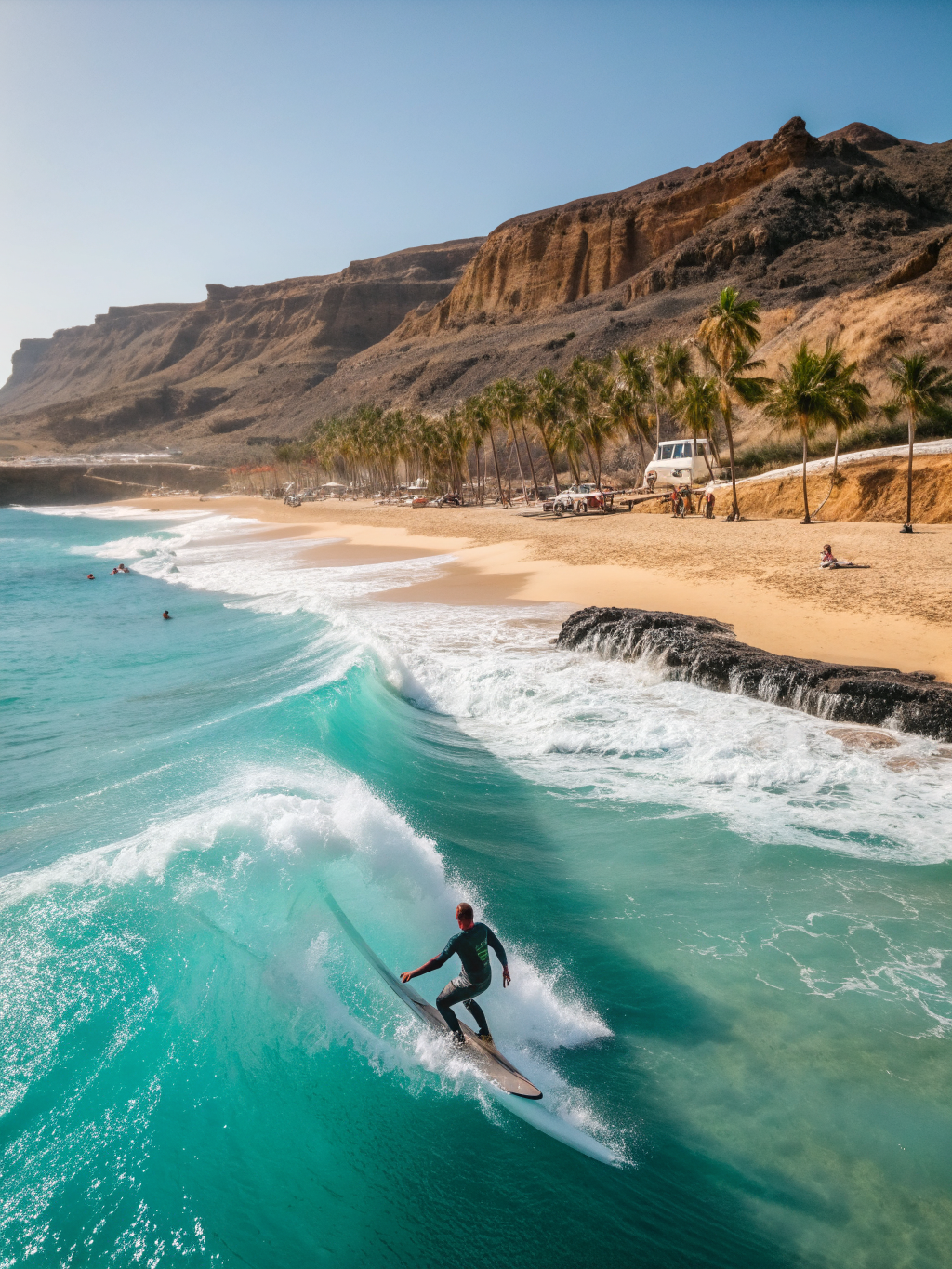
Table of Contents
Introduction
Looking for an African surf destination where consistent Atlantic swells meet volcanic landscapes and uncrowded lineups? Discover the best surf a Capo Verde! Explore top surf spots, perfect waves, local surf camps, and essential travel tips for an unforgettable surfing adventure in this Atlantic paradise. This archipelago of ten volcanic islands sits roughly 570 kilometers off the coast of Senegal, attracting surfers seeking reliable waves, warm water, and authentic island culture without the crowds found at more mainstream destinations.
Cape Verde delivers year-round surfing opportunities across multiple islands, with powerful reef breaks, mellow beach breaks, and world-class point breaks suited for everyone from cautious beginners to experienced barrel hunters. Whether you’re planning a week-long surf camp experience or a month-long island-hopping adventure, this guide breaks down everything you need to know about surfing in this Atlantic paradise.
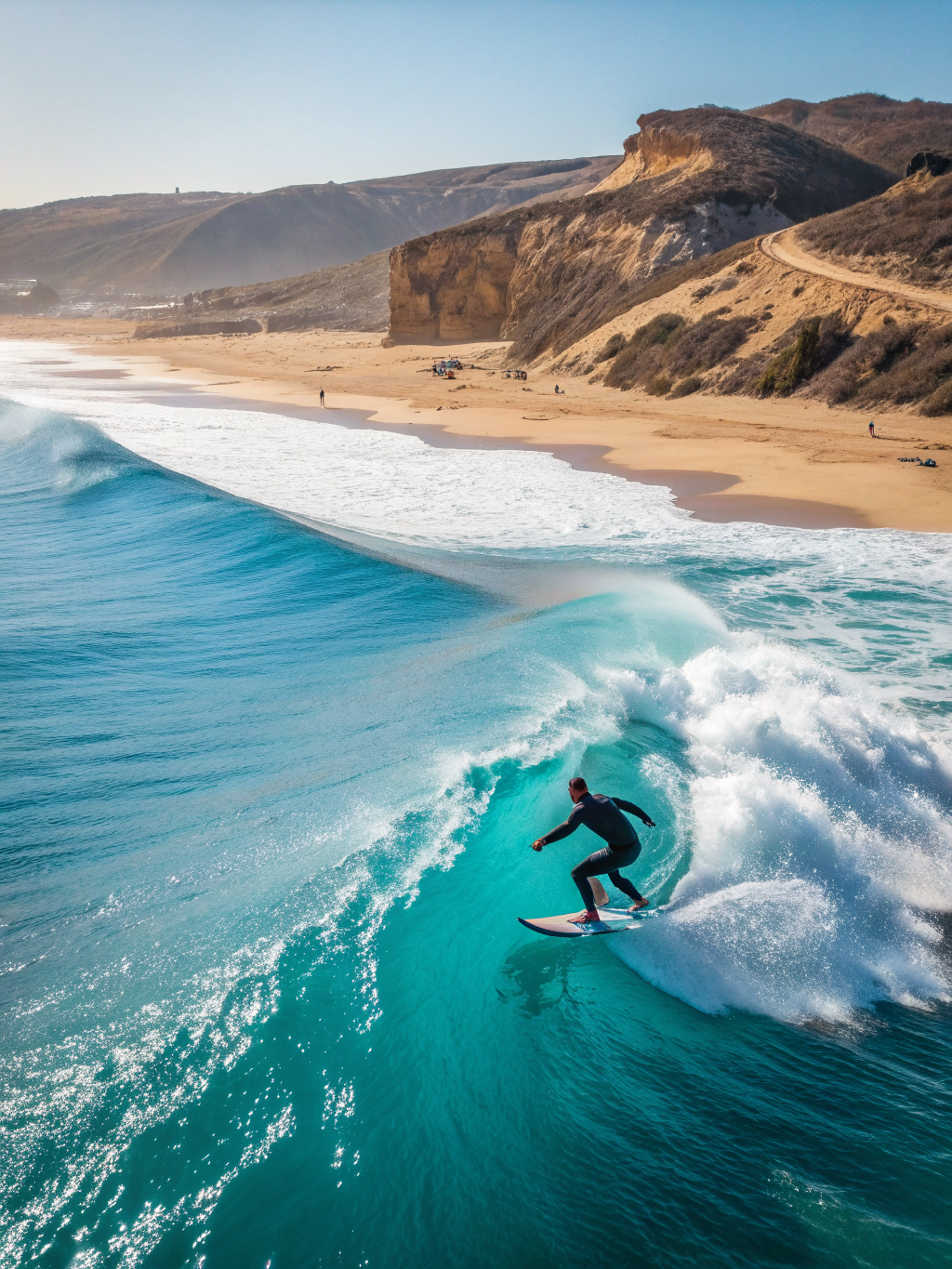
Why Visit Cape Verde for Surfing?
Cape Verde offers a unique combination of factors that make it stand out among African surf destinations. The islands benefit from consistent North Atlantic swells during winter months and South Atlantic swells during summer, creating surfable conditions nearly year-round.
Wave Quality: The volcanic coastline creates excellent reef and point breaks with long, clean walls perfect for carving turns and tube riding.
Uncrowded Lineups: Unlike Portugal, Morocco, or the Canary Islands, Cape Verde remains relatively undiscovered by the mainstream surf tourism industry, meaning you’ll often share waves with just a handful of other surfers.
Accessibility: Several islands offer direct international flights from Europe, making Cape Verde easier to reach than many remote surf destinations.
Cultural Experience: The islands blend Portuguese colonial influence with West African traditions, creating a vibrant Creole culture with distinctive music, dance, and cuisine.
Affordability: Compared to European surf destinations, Cape Verde offers excellent value for accommodation, food, and surf-related expenses.
This destination suits intermediate to advanced surfers comfortable in reef break conditions, though beginners can find suitable waves during calmer periods or at protected beach breaks. The combination of reliable surf, warm hospitality, and stunning volcanic scenery creates an unforgettable surf trip experience.
Best Surf Spots in Cape Verde
Cape Verde’s surf is concentrated primarily on the islands of Sal, Boa Vista, and São Vicente, with each island offering distinct wave characteristics and environments.
Ponta Preta (Sal)
Ponta Preta ranks among Africa’s most powerful and consistent waves, often compared to Hawaii’s Pipeline for its heavy, hollow barrels. This right-hand reef break delivers world-class tubes when North Atlantic swells light up the volcanic reef shelf.
This spot demands respect and experience. The wave breaks over sharp volcanic reef in shallow water, creating consequences for mistakes. When conditions align, Ponta Preta offers some of the best barrels in the Atlantic, attracting professional surfers and photographers from around the world.
Best suited for advanced surfers with reef break experience. Beginners should watch from the beach and build skills at gentler spots first.
Kite Beach (Sal)
Despite the name, Kite Beach offers beginner-friendly surf when wind conditions cooperate. This sandy beach break provides a forgiving environment for first-time surfers and those improving their skills.
The waves here rarely exceed overhead height and break over sand rather than reef, making wipeouts less consequential. Several surf schools operate along this stretch, offering lessons and board rentals.
Ideal for beginners and intermediate surfers looking for mellow, fun waves without the intensity of reef breaks.
Ponta Antónia (Sal)
This left-hand point break offers long, workable walls perfect for practicing turns and building wave count. The setup works best during winter months when North Atlantic swells wrap into the bay.
Ponta Antónia provides a middle ground between Ponta Preta’s power and Kite Beach’s mellow nature. Intermediate surfers appreciate the opportunity to surf quality waves without the heavy consequences of the island’s more notorious breaks.
Curral Joul (Boa Vista)
Boa Vista’s most consistent surf spot, Curral Joul features multiple peaks along a reef shelf, spreading crowds across the lineup. The wave offers both left and right options depending on swell direction.
The volcanic reef creates defined channels for paddling out, though careful timing remains important during larger swells. This spot suits intermediate to advanced surfers comfortable reading reef breaks and navigating rocky entries.
Praia de Santa Maria (Sal)
The beach break at Santa Maria town provides accessible surf right in front of restaurants, bars, and accommodation. While not the most powerful waves on the island, convenience and beginner-friendliness make this spot popular with surf schools and travelers staying in town.
Expect company in the lineup, especially during peak travel seasons. The sandy bottom and manageable wave size create a forgiving learning environment.
Ponta do Sol (São Vicente)
This remote point break on São Vicente delivers long, clean walls when swells arrive from the right direction. The wave peels along a rocky point, offering rides that can stretch several hundred meters during optimal conditions.
Accessing Ponta do Sol requires more effort than Sal’s convenient breaks, contributing to lighter crowds. Surfers who make the journey often score uncrowded sessions in beautiful surroundings.
Best Time to Surf Cape Verde
Cape Verde receives swells year-round, though wave quality, size, and consistency vary significantly between seasons.
November to March represents peak surf season for cape verde surfing, cabo verde surfing, surf in cape verde, surf en africa. North Atlantic winter storms generate powerful swells that light up the islands’ reef and point breaks. Advanced surfers target this window for the biggest, most powerful waves of the year.
Water temperatures during winter months range from 22-24°C (72-75°F), comfortable for most surfers in boardshorts or a spring suit. Air temperatures remain pleasant, typically between 23-27°C (73-81°F).
April to October brings South Atlantic swells and trade winds. While generally smaller than winter swells, summer conditions often suit intermediate surfers perfectly, with clean, consistent waves in the waist to head-high range.
Wind patterns vary throughout the year. Trade winds typically blow strongest during winter months, which can create challenging conditions at exposed breaks. Early mornings generally offer the calmest wind windows.
| Season | Swell | Wave Size | Best For | Wind | Crowds |
|---|---|---|---|---|---|
| Nov-Mar | North Atlantic | Overhead+ | Advanced | Moderate-Strong | Higher |
| Apr-Jun | South Atlantic | Waist-Head | Intermediate | Moderate | Lower |
| Jul-Oct | Mixed | Variable | All Levels | Light-Moderate | Lower |
Beginners should consider visiting during shoulder seasons (April-June or September-October) when wave size remains manageable and crowds thin out.
How Much Does a Surf Trip Cost?
Cape Verde offers excellent value compared to European surf destinations, though costs vary depending on travel style and season.
Accommodation ranges widely based on preferences. Surf hostels and guesthouses start around €15-25 per night for basic dormitory beds. Mid-range hotels and apartments typically cost €40-70 per night. Surf camps offering packages with meals and surf guiding range from €500-1,200 per week depending on amenities and season.
Food proves affordable, especially when eating at local restaurants away from tourist areas. Budget €8-15 for meals at casual restaurants, or €20-35 for dining at beachfront establishments. Self-catering from local markets significantly reduces daily food expenses.
Surfboard rental costs approximately €15-25 per day, with weekly rates offering better value at €70-120. Wetsuit rental adds another €5-10 daily if needed.
Surf lessons typically run €35-50 for group sessions and €50-80 for private instruction.
Transportation costs depend on whether you rent a car (€30-50 daily) or rely on taxis and shared minibuses. Many surfers staying near main surf spots find walking or cycling sufficient.
Budget Surf Trip: €40-60 per day including hostel accommodation, local food, occasional board rental, and minimal transport.
Mid-Range Surf Trip: €80-120 per day including comfortable hotel, mix of restaurant meals, daily board rental, and occasional surf lessons or transport.
Premium Surf Trip: €150-250+ per day including surf camp packages, daily surf guiding, quality accommodation, and included meals.
Flights represent the biggest expense for most travelers, with costs varying significantly based on departure location and booking timing.
Where to Stay
Santa Maria (Sal) serves as the main tourist hub with the widest selection of accommodation, restaurants, nightlife, and surf-related services. The town sits walking distance from several surf spots and offers everything from budget hostels to upscale resorts.
Solo travelers and budget-conscious surfers appreciate the hostel scene in Santa Maria, where shared accommodation facilitates meeting other travelers and finding surf buddies. Many hostels offer communal kitchens for self-catering.
Surf camps scattered around Sal and Boa Vista provide all-inclusive packages combining accommodation, meals, surf guiding, and transportation to different breaks. This option suits surfers who prefer organized trips and want to maximize their time in the water without handling logistics.
Palmeira (Sal) offers a quieter alternative to Santa Maria while maintaining proximity to quality surf spots. This fishing village provides authentic local atmosphere with fewer tourists.
Sal Rei (Boa Vista) functions as the main town on Boa Vista island, offering accommodation options and access to the island’s surf spots. The atmosphere remains more relaxed than Sal, with fewer international tourists.
Couples often prefer renting apartments or staying at small boutique hotels, which provide more privacy and romantic settings than hostel dormitories.
Getting Around
Rental cars offer the most flexibility for exploring different surf spots across Sal or Boa Vista. Roads on both islands remain generally good, though some surf spot access roads feature rough volcanic rock surfaces. Book vehicles in advance during peak season.
Taxis provide convenient point-to-point transportation, though costs add up quickly for daily surf missions. Negotiate prices before trips, as taxis typically don’t use meters.
Shared minibuses (called “aluguers”) connect towns and villages economically. While cheap, they don’t run on fixed schedules and may not serve remote surf spots.
Bicycles work well for getting around Santa Maria and reaching nearby beaches, though tropical heat makes longer rides challenging. Several shops offer rental bikes.
Many surf camps and some hotels provide shuttle services to popular surf spots, included in package rates or available for reasonable fees.
Transporting surfboards on taxis or rental cars requires planning. Confirm vehicles can accommodate boards before booking. Many surfers rent boards locally rather than dealing with international flight fees and transport hassles.
What to Pack for a Surf Trip
Pack strategically for Cape Verde’s tropical climate and volcanic terrain:
Surf Gear:
- Surfboard (or plan to rent locally)
- Spare leash
- Wax appropriate for warm water
- Fins and fin key
- Rash guard for sun protection
- Spring suit (optional for cooler months)
- Reef booties (highly recommended for reef breaks)
Clothing:
- Lightweight, breathable clothing
- Swimwear
- Hat for sun protection
- Light jacket for evening breezes
- Comfortable sandals
- Closed-toe shoes for volcanic terrain
Essentials:
- Reef-safe sunscreen (high SPF)
- After-sun moisturizer
- Waterproof phone pouch
- Travel adapter (European two-pin plugs)
- Reusable water bottle
- First-aid kit including wound care for reef cuts
- Motion sickness medication (if island hopping by boat)
- Insect repellent
- Prescription medications
Documents:
- Passport
- Travel insurance documentation
- Vaccination records if applicable
- Printed accommodation confirmations
- Emergency contact information
Reef booties deserve special emphasis. The volcanic reef at Cape Verde’s best breaks features sharp, unforgiving surfaces. Quality booties protect feet during entries, exits, and unfortunate wipeouts onto the reef.
Best Surf Trip Itinerary
Day 1 — Arrival & Acclimatization
Arrive at Sal’s Amílcar Cabral International Airport. Transfer to accommodation in Santa Maria. Explore the town, find surf shops for any rental equipment needed, and scout nearby beach breaks. Watch sunset at Ponta Preta to observe wave conditions.
Day 2 — First Surf Session
Start with a beginner-friendly spot like Kite Beach or Santa Maria beach break to get a feel for local conditions. Spend afternoon exploring Santa Maria’s restaurants and soaking up the local atmosphere.
Day 3 — Dawn Patrol & Exploration
Wake early for glassy morning conditions at Ponta Antónia or another preferred spot based on swell and wind forecast. Afternoon trip to Pedra de Lume salt crater for a unique floating experience in hyper-saline water.
Day 4 — Challenge Yourself
For advanced surfers with appropriate swell, attempt Ponta Preta with caution and respect. Beginners and intermediates continue skill-building at appropriate breaks. Evening in Palmeira for fresh fish at local restaurants.
Day 5 — Boa Vista Day Trip (Optional)
Take morning flight or ferry to Boa Vista. Surf Curral Joul or explore the island’s beautiful beaches. Return to Sal evening or extend trip with additional nights on Boa Vista.
Day 6 — Multiple Surf Sessions
Maximize water time with early morning and late afternoon sessions, avoiding midday heat. Between sessions, rest, hydrate, and explore local craft markets for souvenirs.
Day 7 — Final Session & Departure
Squeeze in one last surf before departure, or spend morning relaxing before afternoon flight home.
This itinerary assumes a one-week trip focused on Sal. Longer stays allow island-hopping to São Vicente or spending more time on Boa Vista.
Surfing Tips for Cape Verde
Check Forecasts Carefully: Wave conditions vary significantly between breaks and islands. Study swell direction, period, and wind forecasts to choose optimal locations.
Respect Reef Breaks: Cape Verde’s best waves break over sharp volcanic reef. Understand the consequences, scout breaks from shore, and don’t surf beyond your ability level.
Time Your Entry and Exit: Reef breaks require careful timing to avoid being swept onto sharp rocks. Watch experienced surfers, identify channels, and wait for set lulls.
Start Conservative: Even experienced surfers should begin their trip at easier breaks to understand local conditions before progressing to more challenging waves.
Protect Your Feet: Wear reef booties. The volcanic reef will destroy unprotected feet during entries, exits, and wipeouts.
Mind the Sun: Tropical sun intensity near the equator burns skin quickly. Apply reef-safe sunscreen liberally and frequently.
Stay Hydrated: Heat and sun exposure increase dehydration risk. Drink water consistently throughout the day.
Practice Surf Etiquette: While crowds remain lighter than many destinations, basic surf etiquette still applies. Respect local surfers, take turns, communicate clearly.
Bring or Rent Appropriate Equipment: Board choice matters on reef breaks. Consult local surf shops about appropriate dimensions and designs for current conditions.
Consider Insurance: Travel and medical insurance covering surf-related injuries provides peace of mind when tackling powerful reef breaks far from home.
Common Mistakes to Avoid
Surfing Beyond Your Ability: Cape Verde’s powerful reef breaks punish overconfidence. Be honest about skill level and choose appropriate breaks. The ocean always wins arguments.
Skipping Reef Booties: Countless surfers learn this lesson the hard way. Volcanic reef cuts heal slowly and can end surf trips prematurely. Wear booties.
Ignoring Wind Forecasts: Strong trade winds can make some breaks unsurfable while leaving others clean. Check wind predictions and choose spots strategically.
Booking Peak Season Without Advance Planning: November through February attracts the most visitors. Accommodation prices rise and availability decreases. Book early for winter trips.
Underestimating Sun Exposure: Cloudy days still deliver powerful UV radiation. Sunburn ruins surf trips. Apply sunscreen consistently.
Bringing Wrong Board Types: Reef breaks typically favor slightly increased volume and dimensions compared to beach breaks. Consult local shapers or rental shops rather than assuming your home break board dimensions translate directly.
Staying Only in Santa Maria: While convenient, limiting your trip to Santa Maria means missing quieter breaks and authentic local experiences. Rent