
Maldives Surf Charter | Explore World-Class Surf Breaks
Experience the ultimate Maldives surf charter. Discover world-class waves, uncrowded surf breaks, tropical islands and unforgettable surf adventures.
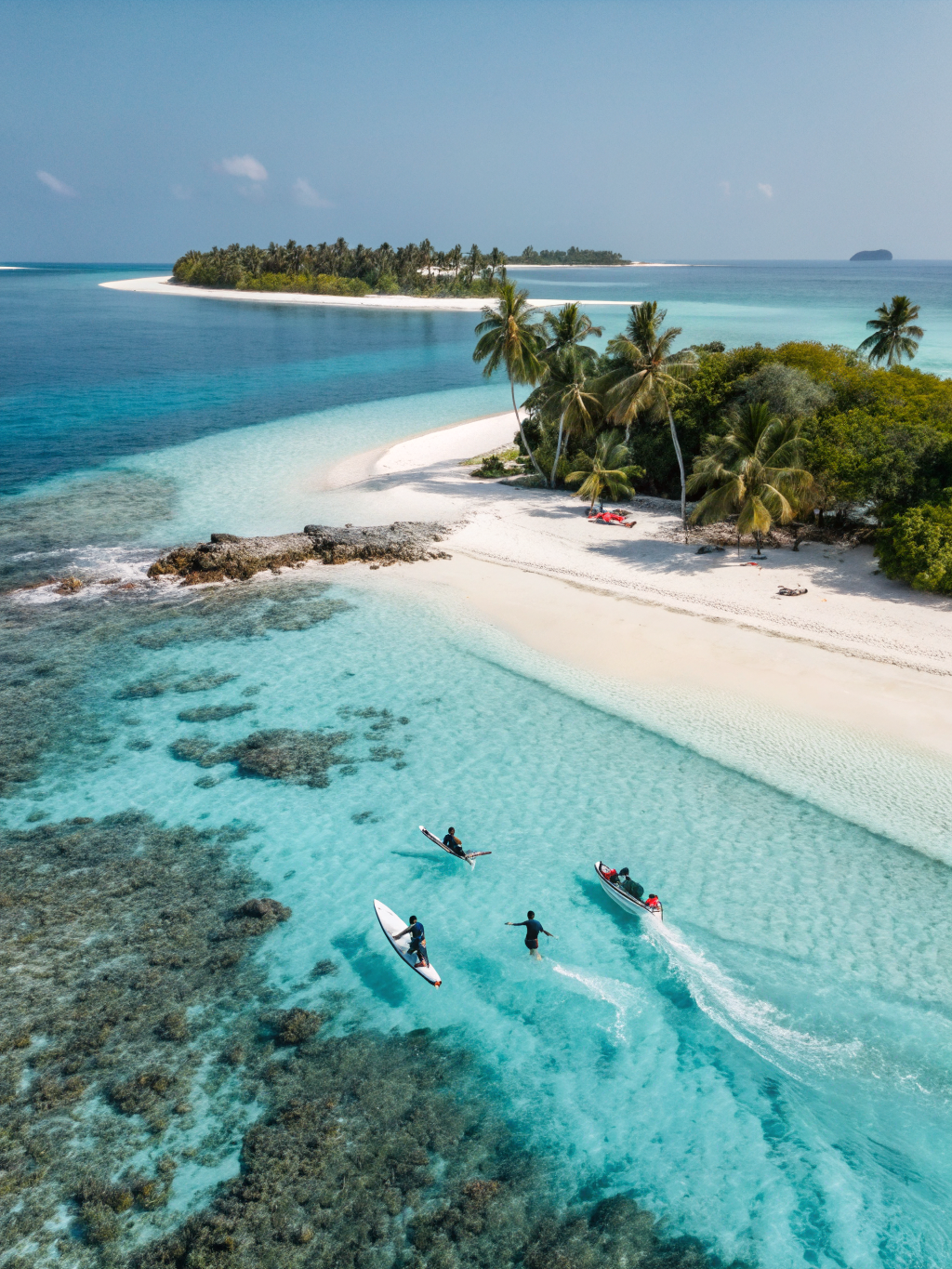
Table of Contents
Introduction
Ever dreamed of surfing perfect, uncrowded waves while surrounded by crystal-clear turquoise waters and pristine tropical islands? A Maldives surf charter offers exactly that an exclusive surfing adventure that takes you beyond the typical tourist experience to some of the Indian Ocean’s most consistent and breathtaking surf breaks. Experience the ultimate Maldives surf charter. Discover world-class waves, uncrowded surf breaks, tropical islands and unforgettable surf adventures.
Unlike land-based surf trips, a charter allows you to access remote atolls, multiple surf spots in a single day, and waves that see minimal crowds. You’ll wake up to glassy dawn sessions, enjoy boat-to-break convenience, and experience the Maldives’ legendary hospitality all while chasing consistent swells across this tropical paradise. This guide covers everything you need to know about planning your Maldives surf charter, from the best surf spots and ideal seasons to budgeting, packing essentials, and insider tips for making the most of your adventure.
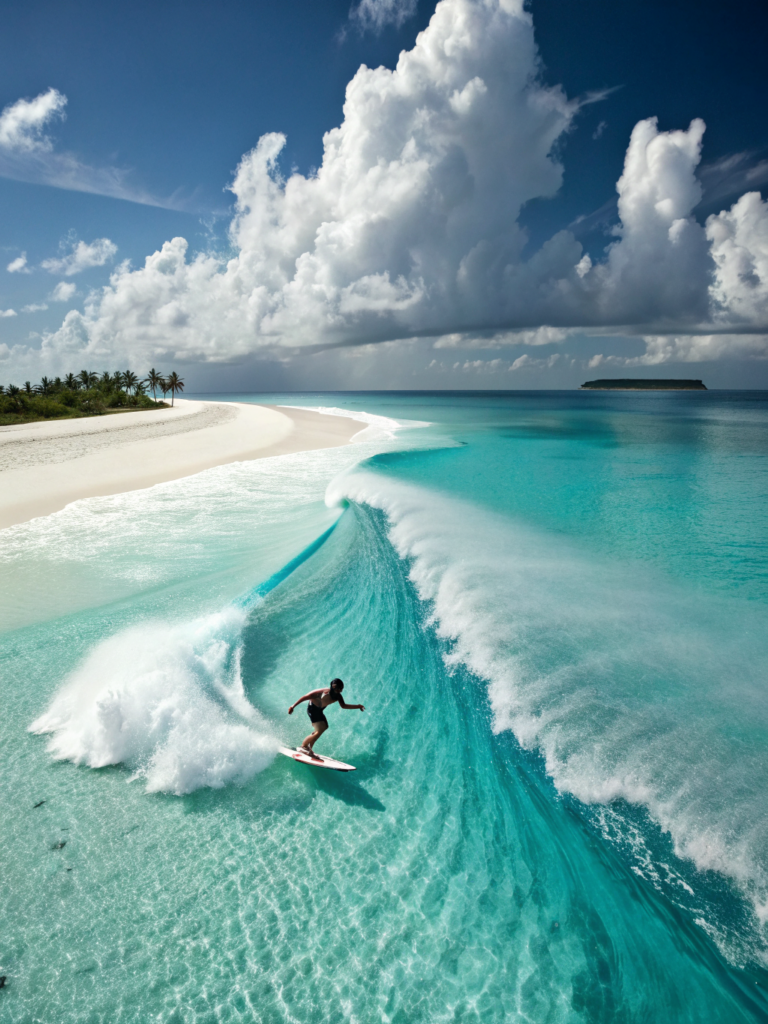
Why Visit the Maldives on a Surf Charter?
The Maldives has earned its reputation as one of the world’s premier surf destinations, particularly for intermediate to advanced surfers seeking powerful, consistent waves in a stunning tropical setting. What sets a Maldives surf charter apart is the mobility and access it provides.
Wave Quality and Consistency: The Maldives receives consistent swell from the southern Indian Ocean, particularly during the primary surf season. The archipelago’s unique geography creates numerous reef breaks that produce world-class waves ranging from mellow long walls to heavy barrels.
Uncrowded Breaks: While some easily accessible spots near resorts can get crowded, a surf charter gives you the flexibility to explore lesser-known breaks and maximize your wave count. Many charter boats navigate to remote atolls where you might find yourself sharing waves with just your travel companions.
Tropical Paradise Setting: Beyond the surf, the Maldives offers breathtaking natural beauty white sand beaches, vibrant coral reefs, and warm, clear waters perfect for snorkeling and diving during flat spells.
All-Inclusive Convenience: Most surf charters include accommodation aboard comfortable boats, meals prepared by onboard chefs, fuel, and transportation between surf spots. This means less planning stress and more time in the water.
Best Suited For: Intermediate to advanced surfers comfortable paddling out at reef breaks. While some waves accommodate less experienced surfers, the majority of Maldivian surf breaks are better suited to those with solid ocean experience. Solo travelers, groups of friends, and couples all find surf charters appealing for the camaraderie and shared adventure.
Best Surf Spots in the Maldives
The Maldives’ surf breaks are scattered across several atolls, each offering distinct wave characteristics. Here are some of the most renowned surf spots you might explore on a surfing maldives, maldives surf trip, surf charter maldives, surf resorts maldives, maldives surf tours.
Pasta Point
Located in the North Malé Atoll, Pasta Point is arguably the Maldives’ most famous wave. This right-hand reef break offers long, bowly walls that are perfect for carving turns and high-performance surfing.
Wave Type: Right-hand point break
Skill Level: Intermediate to advanced
Characteristics: Fast, hollow sections with workable shoulders, can handle larger swells
Crowds: Can be busy due to its proximity to resorts, but charters can time sessions strategically
Chickens
Another North Malé classic, Chickens is a left-hand reef break known for its powerful, hollow waves. This spot produces excellent barrels and is best surfed during mid to high tide.
Wave Type: Left-hand reef break
Skill Level: Advanced
Characteristics: Thick, barreling waves over shallow reef
Best Conditions: Solid south swells, offshore winds
Cokes
Cokes offers one of the longest rides in the Maldives a right-hand reef break that can deliver rides exceeding 200 meters on the right swell. The wave features multiple sections perfect for technical surfing.
Wave Type: Right-hand reef break
Skill Level: Intermediate to advanced
Characteristics: Long, consistent walls with barrel sections
Best For: Surfers who love extended rides and variety in a single wave
Honky’s
This left-hand reef break in the Central Atolls produces heavy, powerful waves that break over very shallow reef. Honky’s is not for the faint-hearted but rewards experienced surfers with world-class barrels.
Wave Type: Left-hand reef break
Skill Level: Advanced to expert
Characteristics: Heavy, hollow, shallow
Local Considerations: Requires confidence and reef break experience
Jailbreaks
A powerful right-hander that breaks best on larger swells, Jailbreaks offers fast, hollow sections and is one of the more challenging waves in the region.
Wave Type: Right-hand reef break
Skill Level: Advanced
Characteristics: Fast, powerful, can handle significant swell
Why Visit: Consistent performer during peak season with quality waves
Sultans
Sultans is another popular right-hand reef break offering long, workable walls suitable for intermediate surfers when conditions are moderate. On bigger swells, the wave becomes more challenging and hollow.
Wave Type: Right-hand reef break
Skill Level: Intermediate to advanced
Characteristics: Long walls, various sections
Best For: Surfers looking for a mix of performance and barrel opportunities
Best Time to Surf the Maldives
The Maldives surf season is relatively well-defined, with the best conditions occurring during specific months when swell, wind, and weather align.
Primary Surf Season: March through October is considered prime surf season in the Maldives, with the most consistent swells arriving between April and October.
Peak Season: May through September sees the most consistent swell and offshore winds, making this the busiest and most expensive time for surf charters.
Beginner-Friendly Season: March and April can offer smaller, more manageable waves while still providing quality conditions.
Water Temperature: The Maldives enjoys warm water year-round, typically between 26-29°C (79-84°F), meaning boardshorts are suitable throughout the season.
Wind Patterns: The southwest monsoon during the surf season brings offshore winds to many breaks, creating clean conditions.
Crowds: Expect more surfers and higher charter prices during June through August. Consider shoulder months like April, May, or September for fewer crowds and potentially better value.
| Season | Wave Conditions | Skill Level | Crowds | Budget |
|---|---|---|---|---|
| March-April | Building swells, smaller waves | Beginner-Intermediate | Moderate | Mid-range |
| May-September | Consistent, powerful swells | Intermediate-Advanced | Busy | Premium |
| October | Declining swells, variable conditions | Intermediate | Light | Mid-range |
| November-February | Inconsistent, smaller waves | Not recommended | Very light | N/A |
How Much Does a Maldives Surf Charter Cost?
A Maldives surf charter represents a significant investment, but understanding the cost breakdown helps with budgeting and finding the best value.
Surf Charter Boat: The largest expense is the charter itself, which typically ranges from USD $1,800 to $3,500 per person for a 7-10 day trip, depending on boat quality, season, and group size. Premium boats with more amenities command higher prices.
What’s Usually Included:
- Accommodation aboard the boat
- Three meals daily
- Fuel and boat transportation between surf spots
- Drinking water
- Bed linens and towels
What’s Usually Extra:
- International flights to Malé
- Airport transfers to the boat
- Surf guide services (sometimes included)
- Alcoholic beverages and soft drinks
- Surfboard rental
- Travel insurance
- Tips for crew
Budget Breakdown (Per Person, 7-Day Charter):
Economy Charter: $1,800-$2,200
- Basic but comfortable boats
- Shared cabins
- Good for groups booking together
Mid-Range Charter: $2,200-$2,800
- More comfortable vessels
- Better food quality
- Some cabins with private bathrooms
Premium Charter: $2,800-$3,500+
- Luxury boats with air conditioning
- Private cabins and bathrooms
- Professional surf guides included
- Premium dining
Additional Costs to Consider:
- International flights: $500-$1,500 depending on origin
- Airport transfer: $50-$100
- Surfboard rental: $150-$250 per week if needed
- Travel insurance: $50-$150
- Spending money for drinks and tips: $200-$400
Money-Saving Tips:
- Travel during shoulder season (April, May, September)
- Book as a group to share cabin costs
- Bring your own board to avoid rental fees
- Book well in advance for early-bird discounts
- Consider slightly older boats that offer excellent value
Where to Stay
For a Maldives surf trip, you have two primary accommodation options: surf charter boats or land-based surf resorts.
Surf Charter Boats (Recommended for Most Surfers):
- Best For: Surfers wanting maximum wave access, variety, and flexibility
- Advantages: Access to multiple breaks, boat-to-break convenience, all-inclusive packages, ability to chase the best conditions
- Considerations: Shared living spaces, smaller cabins, limited personal space
Land-Based Surf Resorts:
- Best For: Families, non-surfing partners, luxury seekers, or surfers who prefer consistent accommodation
- Advantages: More spacious rooms, resort amenities, easier for mixed-activity trips
- Considerations: Limited to nearby breaks, may need dhoni transfers, typically more expensive, can encounter crowds at accessible breaks
Choosing Your Charter Boat:
Budget Boats: Basic but functional vessels with shared bathrooms, open-air sleeping areas, and simple meals. Great for surfers prioritizing waves over luxury.
Mid-Range Boats: Comfortable cabins, mix of shared and private bathrooms, air-conditioned sleeping areas, quality meals, and experienced captains.
Luxury Boats: Private cabins with en-suite bathrooms, full air conditioning, premium dining, surf guides, camera equipment, and superior comfort.
For Solo Surfers: Many charters offer shared cabin options or can match you with other solo travelers to reduce costs.
For Couples: Book boats with private cabin options for more privacy and comfort.
For Groups: Charter an entire boat for your group to control the itinerary and maximize value.
Getting Around
One of the greatest advantages of a Maldives surf charter is that transportation is handled for you. The boat serves as your mobile surf camp, moving between breaks based on conditions, swell direction, and wind.
Getting to Your Charter:
International Arrival: Fly into Velana International Airport (Malé). Major airlines servicing the Maldives include Emirates, Qatar Airways, Singapore Airlines, and Sri Lankan Airlines.
Airport to Boat Transfer: Most charter companies arrange speedboat or dhoni transfers directly from the airport to your charter boat, which is typically moored nearby. This transfer usually costs $50-$100 per person and takes 20-60 minutes depending on the boat’s location.
Between Surf Spots: The charter boat moves between breaks, typically motoring in the evening or early morning to position for dawn sessions. Most boats have smaller dhonis (traditional boats) that ferry surfers from the main boat to the break when anchoring isn’t possible.
Surfboard Transport: Boards are typically strapped to the roof of the charter boat or stored on deck. Communicate board dimensions with the charter company beforehand to ensure adequate storage space.
What to Pack for a Maldives Surf Charter
Packing efficiently for a surf charter ensures comfort without overfilling the limited cabin space.
Surfing Gear:
- Surfboards: Bring 2-3 boards covering different conditions (shortboard, step-up, or fish depending on your style)
- Boardbag: Well-padded for international travel
- Leashes: At least 2 (reef breaks can snap leashes)
- Wax: Tropical formula
- Fins: Backup set
- Rash guards: UV protection for long days in the sun
- Boardshorts: 3-4 pairs
- Reef booties: Highly recommended for shallow reef breaks
Clothing:
- Lightweight, quick-dry clothing
- Sun protection clothing (long-sleeve shirts)
- Light sweater for air-conditioned spaces
- Flip-flops and water sandals
- Hat and sunglasses
Essentials:
- Reef-safe sunscreen: Coral-friendly formulas only
- First aid kit: Including reef-cut treatment supplies
- Waterproof phone pouch
- Camera: GoPro or waterproof camera for surf footage
- Headlamp: Useful on boats at night
- Reusable water bottle
- Medications: Bring personal medications and seasickness tablets
- Travel adapter: UK-style three-pin plugs (Type D/G)
- Travel insurance documents
What Not to Bring:
- Excessive clothing (space is limited)
- Expensive jewelry
- Large luggage (soft duffel bags work best on boats)
Best Maldives Surf Charter Itinerary
While your charter captain will adjust the itinerary based on surf conditions, here’s a typical 7-day Maldives surf charter schedule:
Day 1 — Arrival & Orientation
- Arrive at Malé airport
- Transfer to charter boat
- Settle into cabin
- Boat safety briefing
- Afternoon surf session at nearby break
- Sunset on deck
Day 2 — Dawn Patrol & Multiple Sessions
- Early morning surf session (glassy conditions)
- Breakfast onboard
- Mid-morning boat transfer to new break
- Lunch and rest
- Afternoon surf session
- Evening swell check and planning
Day 3 — Exploring North Malé Breaks
- Surf Pasta Point or Cokes
- Boat repositioning between sessions
- 3-4 surf sessions depending on conditions
- Snorkeling during midday break
Day 4 — Central Atolls Adventure
- Transit to Central Atolls overnight or early morning
- Surf less-crowded breaks
- Multiple sessions
- Sunset session
Day 5 — Chase the Swell
- Surf guide determines best breaks based on forecast
- Flexible schedule to maximize wave quality
- Possible visit to Chickens or Sultans
- Evening barbecue on deck
Day 6 — Last Big Push
- Dawn session at a favorite break
- Final surf sessions
- Relax and recap trip highlights
- Prepare gear for departure
Day 7 — Departure
- Early breakfast
- Transfer back to Malé
- International departure
This itinerary emphasizes flexibility the beauty of a charter is adapting to conditions rather than sticking to a rigid schedule.
Surfing Tips for the Maldives
Know Your Limits: Maldivian reef breaks can be powerful and shallow. Be honest about your skill level and don’t paddle out at breaks beyond your ability.
Check the Forecast: While charter captains monitor conditions, familiarize yourself with surf forecasting apps like Surfline, Magicseaweed, or Windy to understand swell patterns.
Understand Tides: Many Maldives breaks work best at specific tide stages. Learn each break’s optimal tide window to maximize your sessions.
Respect the Reef: Coral reefs are fragile ecosystems. Avoid touching coral, use reef-safe sunscreen, and follow environmental guidelines.
Surf Etiquette: Even on charter trips, basic surf etiquette applies don’t drop in, wait your turn, and respect local dhoni surfers if you encounter them.
Reef Cuts: Shallow reefs can cause cuts. Wear reef booties for protection and treat any cuts immediately with antiseptic to prevent infection.
Stay Hydrated: The tropical sun is intense. Drink plenty of water throughout the day to avoid dehyd