
Best July Surf Spots: Where to Chase Perfect Waves
Discover the best July surf spots around the world, from tropical beaches to powerful summer swells. Explore destinations, wave conditions and surf tips.
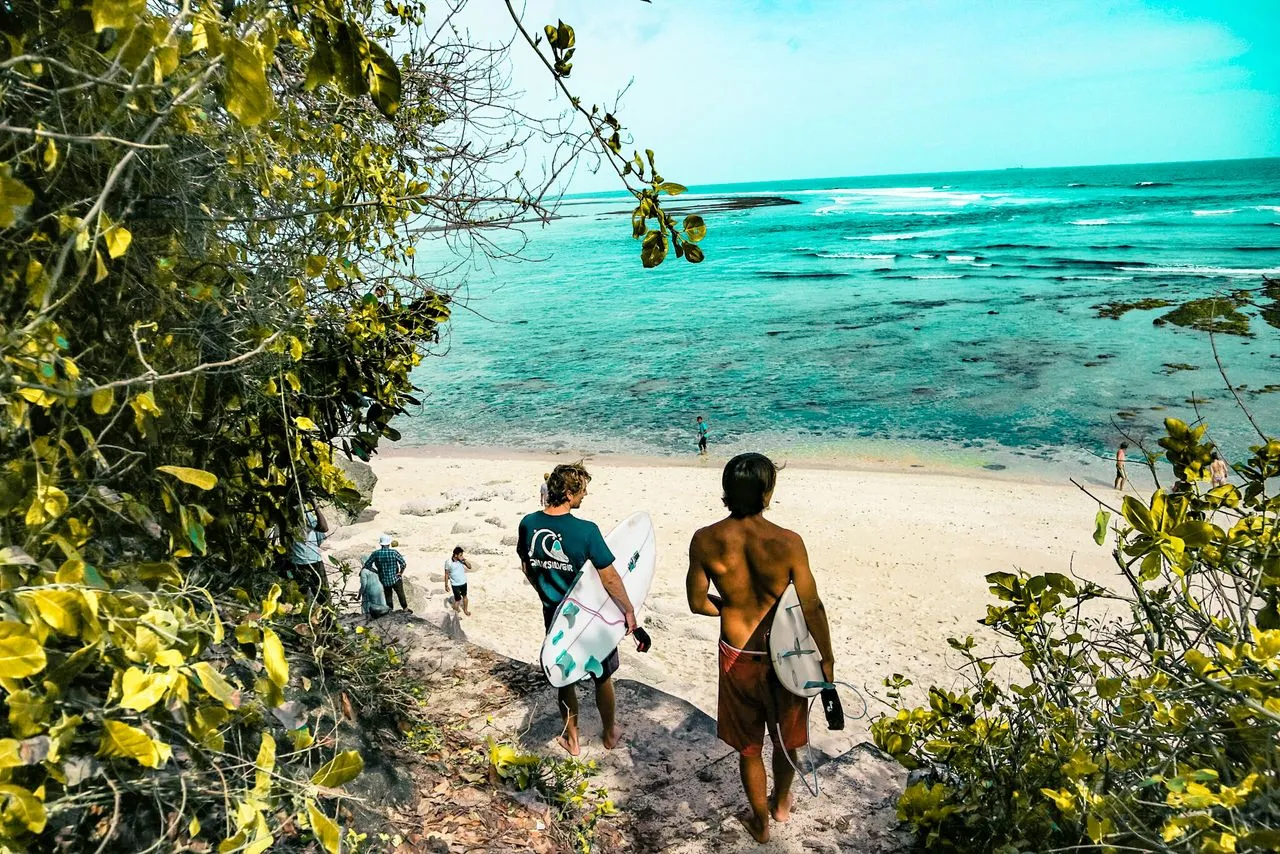
Table of Contents
Introduction
Planning a surf adventure for July? You’re in luck. July brings warm water, consistent swells, and incredible surf opportunities across multiple continents. Whether you’re chasing powerful reef breaks, learning on mellow beach breaks, or exploring uncrowded point breaks, Discover the best July surf spots around the world, from tropical beaches to powerful summer swells. Explore destinations, wave conditions and surf tips.
July sits squarely in peak surf season for the Southern Hemisphere while simultaneously offering excellent summer swells in parts of the Northern Hemisphere. This guide breaks down where to find the best waves, what conditions to expect, and how to maximize your surf trip without breaking the bank. From tropical Indonesian barrels to Atlantic beach breaks, we’ll help you decide which destination deserves your July surf adventure.
Why Surf in July?
July offers unique advantages for traveling surfers. In the Southern Hemisphere, winter brings powerful, consistent swells with offshore winds and excellent wave quality. Indonesia, South Africa, and parts of Australia receive solid groundswells that create world-class conditions.
Meanwhile, Northern Hemisphere destinations like Portugal, Morocco, and California benefit from summer swells, warmer water temperatures, and long daylight hours perfect for multiple sessions. The combination of consistent surf, favorable weather, and peak travel season means excellent infrastructure, open surf camps, and vibrant surf communities.
For budget travelers, July often coincides with competitive accommodation rates in Southern Hemisphere destinations entering their peak season. Digital nomads appreciate reliable internet, established surf communities, and the flexibility to work between morning and evening sessions.
Indonesia: World-Class Waves in Winter
Indonesia consistently ranks among the best surf destinations in July, where to surf in July, best places to surf in July conversations. July falls during the dry season, delivering offshore winds, minimal rain, and powerful Indian Ocean swells.
Uluwatu, Bali
Uluwatu stands as Indonesia’s most iconic wave. This left-hand reef break offers multiple sections suitable for intermediate to advanced surfers. July brings consistent overhead waves, light offshore winds, and warm water temperatures around 26-28°C (79-82°F).
The break works across various tide stages, though mid to high tide typically offers cleaner conditions. Crowds remain significant year-round, but the wave’s length allows multiple surfers to share sessions. Beginners should avoid Uluwatu and choose mellower Bali breaks instead.
Padang Padang, Bali
This world-famous barrel delivers perfect tubes for experienced surfers. The wave breaks over shallow reef, requiring confidence and precise positioning. July provides ideal conditions with offshore winds and consistent swell. Access involves climbing down stairs through a cave opening, adding to the adventure.
Wave size typically ranges from chest-high to well overhead. Low to mid tide works best. Respect local surfers and understand the takeoff zone before paddling out.
Desert Point, Lombok
Often called one of the world’s best left-hand waves, Desert Point delivers long, mechanical barrels. July offers prime conditions, though this remote break requires commitment to reach. The wave works best on larger swells with light winds.
Accommodation options near Desert Point remain limited compared to Bali, offering a more adventurous, uncrowded experience. Intermediate to advanced surfers who score this wave during clean conditions often call it a career highlight.
Portugal: Europe’s Summer Surf Playground
Portugal delivers excellent surf year-round, but July brings warmer water, consistent swells, and vibrant surf culture. The country offers diverse waves from beginner-friendly beach breaks to powerful reef breaks.
Ericeira
This World Surfing Reserve hosts numerous point breaks and reef breaks within a compact area. Ribeira d’Ilhas offers long right-hand walls perfect for intermediate surfers, while Coxos challenges advanced surfers with powerful, barreling sections.
July conditions typically feature smaller summer swells compared to winter, making it ideal for progression. Water temperature reaches 17-19°C (63-66°F), requiring a spring suit or 3/2mm wetsuit. The town offers excellent infrastructure with surf shops, schools, hostels, and restaurants.
Peniche
Home to the famous Supertubos beach break, Peniche delivers world-class barrels when conditions align. July generally brings smaller, more manageable waves perfect for intermediates. The area features multiple surf spots handling different swell directions and wind conditions.
Baleal, connected to Peniche by a narrow isthmus, offers beginner-friendly waves and numerous surf schools. Affordable accommodation and easy access from Lisbon make this a budget-friendly option.
South Africa: Powerful Winter Swells
July represents peak winter in South Africa, delivering massive swells from Southern Ocean storms. The country’s diverse coastline offers point breaks, reef breaks, and beach breaks for all skill levels.
Jeffrey’s Bay
J-Bay ranks among the world’s finest right-hand point breaks. July brings powerful, long-period swells creating mechanical walls through multiple sections: Kitchen Windows, Magna Tubes, Boneyards, and Supertubes.
The wave suits intermediate to advanced surfers comfortable in powerful conditions. Water temperature drops to 14-16°C (57-61°F), requiring 4/3mm or 5/3mm wetsuits with boots. The town offers surf shops, hostels, and a dedicated surf community.
Muizenberg, Cape Town
For beginners, Muizenberg delivers gentle, forgiving waves perfect for learning. This long beach break offers consistent waves even during smaller swells. Numerous surf schools operate along the beach, providing lessons and equipment rental.
Cold water remains a factor, requiring full wetsuits. The colorful beach huts and Table Mountain backdrop create a photogenic surf setting.
Morocco: Consistent Swells and Warm Weather
Morocco’s Atlantic coast receives consistent swells throughout the year. July brings smaller summer swells compared to winter but offers warm weather, uncrowded lineups, and excellent conditions for intermediates.
Taghazout
This fishing village transformed into a surf hub offers numerous point breaks within easy reach. Anchor Point delivers long right-hand walls on bigger swells, while Hash Point and Killer Point offer shorter rides suitable for intermediate surfers.
July conditions typically feature waist to head-high waves with warm air temperatures. Water temperature reaches 18-20°C (64-68°F), requiring a spring suit or shorty wetsuit. The village offers budget accommodation, surf camps, and a relaxed atmosphere.
Imsouane
Famous for Africa’s longest wave, Imsouane delivers mellow, peeling right-handers perfect for longboarding and beginner-to-intermediate surfing. The wave breaks along a rocky point, offering rides exceeding 400 meters on the right swell.
The bay’s north-facing aspect means it requires larger swells to light up. When conditions align, expect crowded but friendly sessions. The small village offers basic accommodation and authentic Moroccan culture.
California: Summer Swells and Beach Culture
California’s diverse coastline offers consistent summer surf from San Diego to Santa Cruz. July brings warmer water temperatures, smaller swells, and classic beach culture.
San Diego County
Oceanside, Cardiff, and Black’s Beach deliver varied conditions throughout July. Summer south swells bring waist to shoulder-high waves ideal for progression. Water temperature reaches 18-20°C (64-68°F), making boardshorts or spring suits comfortable.
The region offers extensive surf infrastructure with shops, schools, and shapers. Accommodation ranges from budget hostels to beachfront hotels.
Santa Cruz
Steamer Lane provides multiple reef breaks with consistent waves year-round. July typically brings smaller swells, but the various peaks offer options across different tide and swell conditions. Water temperature reaches 14-16°C (57-61°F), requiring 3/2mm to 4/3mm wetsuits.
The town’s surf culture runs deep, with museums, legendary surf shops, and a welcoming community. Beginners should explore Cowell’s Beach for gentler waves.
Best Time to Surf Different Regions in July
| Region | Wave Conditions | Water Temp | Skill Level | Crowds |
|---|---|---|---|---|
| Indonesia | Powerful, consistent | Warm (26-28°C) | Intermediate-Advanced | Moderate-High |
| Portugal | Moderate summer swells | Cool (17-19°C) | All levels | Moderate |
| South Africa | Large winter swells | Cold (14-16°C) | Intermediate-Advanced | Low-Moderate |
| Morocco | Smaller consistent swells | Moderate (18-20°C) | Beginner-Intermediate | Low |
| California | Small-moderate south swells | Cool (14-20°C) | All levels | Moderate-High |
How Much Does a July Surf Trip Cost?
Budget varies significantly depending on destination choice. Here’s practical guidance for planning:
Indonesia (Bali/Lombok)
- Budget: $30-50/day (hostels, local food, board rental)
- Mid-range: $60-100/day (guesthouses, mix of local and tourist restaurants)
- Premium: $150+/day (surf camps, resorts, guides)
Portugal
- Budget: $40-60/day (hostels, self-catering, public transport)
- Mid-range: $80-120/day (hotels, restaurants, rental car)
- Premium: $150+/day (surf camps, coastal hotels, guided sessions)
South Africa
- Budget: $35-55/day (hostels, local food, shared transport)
- Mid-range: $70-110/day (guesthouses, restaurants, rental car)
- Premium: $140+/day (lodges, full-service packages)
Morocco
- Budget: $25-40/day (hostels, local food, buses)
- Mid-range: $50-80/day (surf camps, mixed meals, shared transport)
- Premium: $120+/day (premium camps, private guides)
California
- Budget: $60-90/day (hostels, cooking, public transport)
- Mid-range: $100-150/day (hotels, restaurants, rental car)
- Premium: $200+/day (beachfront accommodation, full equipment)
Surf lessons typically cost $30-70 per session. Surfboard rental ranges from $10-25 daily. Budget travelers can significantly reduce costs by staying longer, cooking meals, and traveling during shoulder season.
Where to Stay
Surf Hostels
Ideal for solo travelers and budget-conscious surfers. Most destinations offer hostels with surfboard storage, common areas for meeting other surfers, and proximity to surf breaks. Prices typically range $15-35 per night for dorm beds.
Surf Camps
All-inclusive packages combining accommodation, meals, lessons, and equipment. Perfect for beginners or surfers wanting hassle-free experiences. Expect $60-150 per day depending on location and services.
Guesthouses and Apartments
Great for couples or small groups seeking privacy while maintaining budgets. Kitchen access allows self-catering savings. Prices vary widely by destination: $30-100 per night.
Beachfront Hotels
Premium option offering comfort, ocean views, and immediate beach access. Best for surfers prioritizing convenience and willing to pay premium rates: $100-300+ per night.
Choose accommodation based on proximity to surf spots, storage facilities for boards, and access to transportation if staying inland.
Getting Around
Indonesia: Scooter rental ($4-7/day) offers maximum flexibility. Taxis and ride-sharing apps work well in tourist areas. Boat transfers required for remote breaks.
Portugal: Rental cars ($25-50/day) provide best access to multiple surf spots. Public buses connect major towns. Many surf camps include transportation.
South Africa: Rental cars essential for exploring multiple breaks. Roads generally excellent. Organized surf trips from Cape Town handle logistics.
Morocco: Rental cars useful for independence. Local taxis inexpensive for short distances. Many surf camps include airport transfers and surf shuttles.
California: Rental cars most practical for accessing diverse surf spots. Some urban areas offer public transport. Bike rentals work for compact surf towns.
Consider surfboard transportation when choosing rental vehicles. Roof racks, larger vehicles, or surfboard bags may be necessary.
What to Pack for a July Surf Trip
Essential Surf Gear:
- Surfboard (or plan to rent locally)
- Leash (bring backup)
- Surf wax appropriate for water temperature
- Fins (if not using FCS system)
- Rash guard for sun protection
- Wetsuit (thickness depends on destination)
- Surfboard bag if traveling with boards
Practical Items:
- Reef-safe sunscreen (biodegradable formulas)
- After-sun lotion or aloe vera
- Waterproof phone case
- Quick-dry towel
- Reusable water bottle
- Basic first aid kit (antiseptic, bandages)
- Travel adapter for international destinations
- Earplugs (prevent surfer’s ear in cold water)
Clothing:
- Lightweight, quick-dry clothes
- Warm layer for evening (even tropical destinations)
- Flip-flops and comfortable walking shoes
- Hat for sun protection
Documents:
- Travel insurance covering surf activities
- Passport and visa if required
- Vaccination records where relevant
- Digital copies of important documents
Pack light. Most surf destinations offer easy access to essentials. Avoid checking surfboards unless absolutely necessary—fees add up quickly.
Best July Surf Trip Itinerary (Indonesia – 7 Days)
Day 1: Arrive in Bali. Transfer to Canggu area. Evening beach walk and sunset at Echo Beach.
Day 2: Morning surf session at Batu Bolong or Old Man’s. Afternoon board rental, wax purchase, and area exploration. Sunset surf at Berawa.
Day 3: Early morning session before crowds build. Midday motorbike ride to Uluwatu area. Afternoon exploring cliffside temples. Sunset viewing at Uluwatu.
Day 4: Dawn patrol at Uluwatu (experienced surfers) or Dreamland (intermediates). Post-surf brunch. Afternoon rest or yoga session. Evening exploring Seminyak restaurants.
Day 5: Full day surf trip to Nusa Lembongan or Nusa Penida. Multiple sessions at different breaks. Return evening.
Day 6: Morning surf at favorite local break. Afternoon cultural activity: temple visit, cooking class, or massage. Final sunset surf.
Day 7: Morning surf and breakfast. Pack and prepare for departure. Airport transfer.
This itinerary balances surf with cultural experiences and recovery time. Adjust based on swell forecast, personal fitness, and interests.
Surfing Tips for July Conditions
Check Surf Forecasts Regularly: Conditions change. Use Surfline, Magicseaweed, or Windy to monitor swells, wind, and tides. Local surf shops provide valuable real-time information.
Understand Tide Impact: Many reef breaks work best at specific tide stages. Research each spot or ask locals before paddling out.
Respect Surf Etiquette: Priority goes to the surfer deepest on the wave. Don’t drop in, snake, or paddle directly through the lineup. Apologize for mistakes.
Know Your Limits: July brings powerful swells to Southern Hemisphere destinations. Be honest about your ability. Watch from the beach if conditions exceed your skill level.
Protect Yourself: Reef breaks require reef boots in many locations. Apply sunscreen generously and reapply after sessions. Stay hydrated, especially in tropical destinations.
Minimize Environmental Impact: Use reef-safe sunscreen. Avoid touching coral. Take all trash with you. Support local businesses practicing sustainable tourism.
Surf Multiple Sessions: July offers long daylight hours. Early morning sessions often deliver best conditions with lighter winds and smaller crowds. Evening sessions provide beautiful sunsets and different wave characteristics.
Common Mistakes to Avoid
Visiting Without Checking Swell Forecasts: July conditions vary significantly between regions. Research expected swell patterns for your chosen destination before booking flights. Some spots go flat during summer months.
Bringing Wrong Wetsuit Thickness: Water temperature ranges dramatically across July surf destinations. Check average temperatures and bring appropriate thermal protection. Renting locally works if you’re unsure.
Staying Too Far From Surf: Accommodation far from breaks means missing dawn sessions or dealing with expensive daily transportation. Prioritize proximity to waves.
Underestimating Reef Break Dangers: Shallow reefs cause serious injuries. Wear reef boots, understand exit points, and watch experienced surfers before attempting unfamiliar breaks.
Ignoring Local Knowledge: Chat with surf shop staff, instructors, and local surfers. They provide invaluable