
10 Best Surf Towns in the World: A Guide by Region
Discover 10 of the world’s best surf towns, from Portugal and Morocco to Bali and Australia. Explore top surf destinations, local vibes and waves for every level.
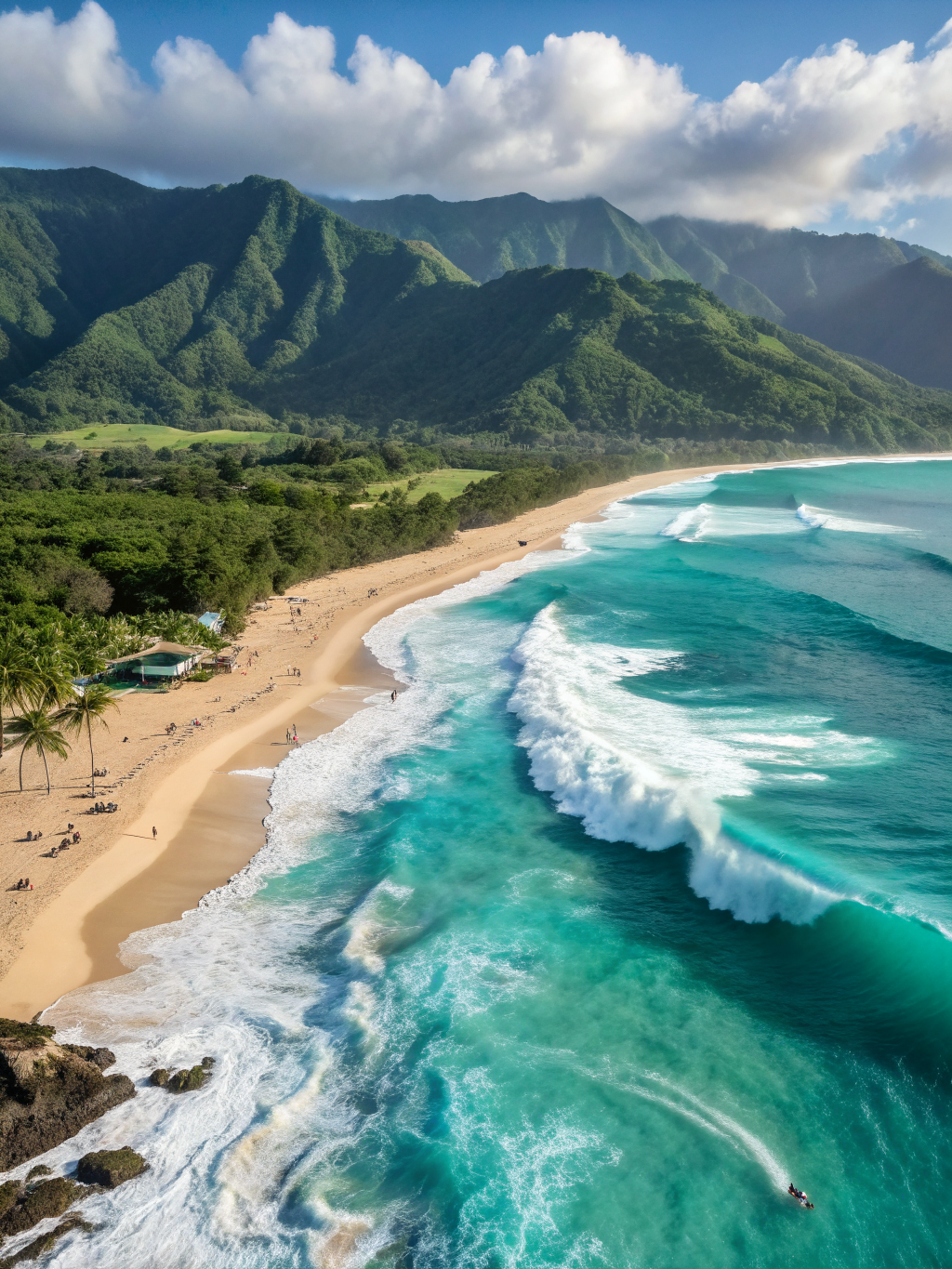
Table of Contents
Introduction
What makes a surf town truly unforgettable? It’s not just consistent waves or warm water it’s the combination of quality surf, welcoming locals, affordable living, and that unmistakable vibe where surf culture runs through everything. Whether you’re chasing your first proper wave or hunting for world-class barrels, choosing the right surf town can transform your entire experience. Discover 10 of the world’s best places to surf towns, from Portugal and Morocco to Bali and Australia. Explore top surf destinations, local vibes and waves for every level.
This guide breaks down 10 exceptional surf towns across different continents, helping you understand what each destination offers, who it’s best suited for, and what to expect from the waves, the community, and the overall travel experience. From Europe’s rugged Atlantic coastlines to Southeast Asia’s tropical perfection, these destinations represent some of the best surf spots in the world, best places to surf in the world, surfing in europe, best surf spots in san diego, best places to learn to surf.
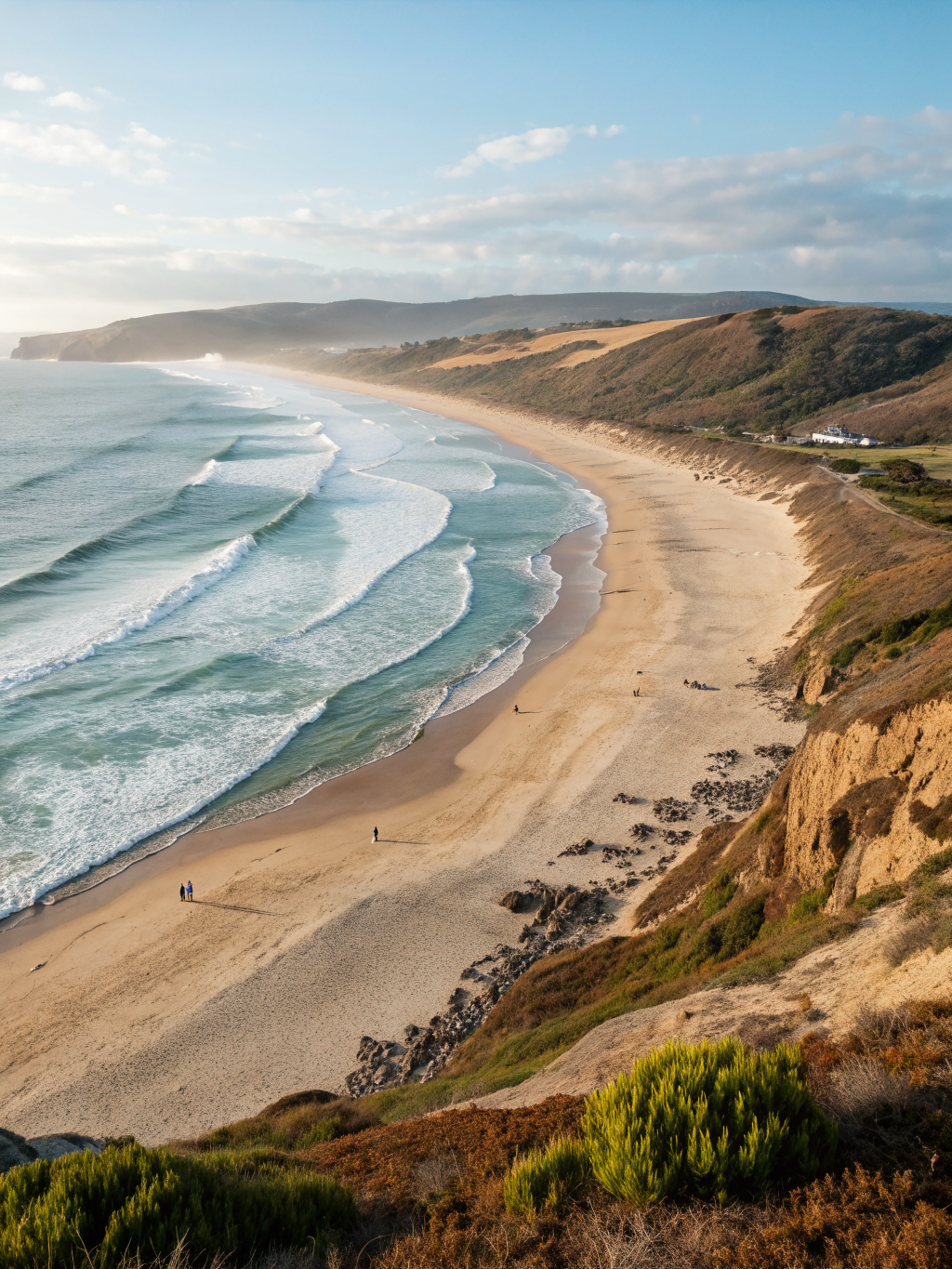
Why These Surf Towns Stand Out
The world’s best surf towns share certain qualities beyond just good waves. They offer reliable surf conditions throughout much of the year, a welcoming surf culture that embraces visitors, reasonable costs that don’t drain your travel budget, and a lifestyle that balances wave-riding with local experiences.
These destinations cater to different types of surfers some are ideal for beginners looking to catch their first waves in mellow conditions, while others attract advanced surfers chasing powerful reef breaks. Many combine surf excellence with cultural richness, natural beauty, and adventure opportunities beyond the ocean.
Whether you’re planning a two-week surf trip, considering a longer digital nomad stay, or simply dreaming about your next wave-filled escape, these surf towns represent diverse regions with distinct personalities, wave characteristics, and travel experiences.
Europe — Ericeira, Portugal
Ericeira earned World Surfing Reserve status for good reason. This historic fishing village turned surf mecca offers exceptional wave consistency, a charming Portuguese atmosphere, and easy access from Lisbon. The town sits along a coastline packed with reef breaks, point breaks, and beach breaks within a short drive.
Wave Quality: Ericeira delivers powerful Atlantic swells throughout the year, with over 40 surf spots in the surrounding area. The variety means you’ll find waves suited to your ability regardless of conditions.
Who It’s For: Intermediate and advanced surfers will find the most to love here, though beginners have options at spots like Foz do Lizandro. The town attracts surf travelers seeking European charm without the crowds of France or Spain’s most popular beaches.
Surf Culture: Ericeira has maintained its authentic Portuguese character while embracing surf tourism. Fresh seafood, affordable wine, cobblestone streets, and a relaxed pace create an appealing balance between surf focus and cultural immersion.
Budget: Moderate to mid-range. Accommodation ranges from budget surf hostels to comfortable guesthouses. Daily expenses remain reasonable compared to northern European destinations.
Europe — Hossegor, France
Hossegor represents serious surfing. This French beach town in the Landes region hosts world championship tour events and attracts elite surfers from around the globe. The beach breaks here produce hollow, powerful waves that challenge even experienced surfers.
Wave Quality: Heavy, barreling beach breaks form over shifting sandbars. Conditions can change rapidly based on tide, swell direction, and sandbar formation. When it’s good, Hossegor delivers some of Europe’s finest waves.
Who It’s For: Confident intermediate to advanced surfers. Beginners should consider starting elsewhere or taking lessons during smaller summer swells before attempting the heavier autumn conditions.
Surf Culture: Professional and competitive but friendly. The town embraces surf lifestyle with surf shops, shapers, and a community deeply connected to wave-riding.
Budget: Mid-range to higher during peak surf season (September-October). Summer offers more affordable options with gentler conditions for developing surfers.
Africa — Taghazout, Morocco
Taghazout transformed from a sleepy fishing village into Morocco’s surf capital, offering consistent point breaks, warm hospitality, and an affordable surf lifestyle. The laid-back vibe and year-round surf appeal to everyone from first-timers to experienced point break enthusiasts.
Wave Quality: Multiple right-hand point breaks deliver long, workable waves. Anchor Point, Killer Point, and Hash Point provide world-class waves when conditions align. Beach breaks offer gentler options for progression.
Who It’s For: All levels. Beginners find safe learning conditions, while experienced surfers chase the famous point breaks during solid swells.
Surf Culture: Relaxed and welcoming. The blend of Moroccan culture and international surf travelers creates a unique atmosphere. Affordable surf camps, yoga retreats, and beachfront cafes dominate the scene.
Budget: Very affordable. Morocco offers excellent value with inexpensive accommodation, meals, and surf services.
Africa — Jeffrey’s Bay, South Africa
J-Bay needs little introduction among serious surfers. This South African town hosts one of the world’s longest, most perfect right-hand point breaks. Supertubes delivers mechanical barrels that have defined countless surf films and competition moments.
Wave Quality: World-class when conditions align. The main point sections Kitchen Windows, Magna Tubes, Boneyards, and Supertubes connect during bigger swells to create rides exceeding 500 meters.
Who It’s For: Intermediate to advanced surfers comfortable in powerful, fast-moving waves. The wave quality demands solid paddling fitness and wave-reading ability.
Surf Culture: Dedicated and respectful. J-Bay surfers take their waves seriously, and visitors should understand lineup etiquette and positioning.
Budget: Mid-range. South Africa offers good value, though Jeffrey’s Bay caters more to surf travelers than budget backpackers.
Asia — Canggu, Bali
Canggu evolved from rice paddies and black sand beaches into Bali’s trendiest surf town. The area combines accessible beach breaks with vibrant cafe culture, coworking spaces, and a thriving digital nomad community.
Wave Quality: Consistent beach breaks and reef breaks suitable for various abilities. Old Man’s provides long left rides for beginners and intermediates, while Batu Bolong and Echo Beach offer more challenging sections.
Who It’s For: All levels, especially beginners and intermediates. The social atmosphere attracts solo travelers, couples, and groups looking for both waves and lifestyle.
Surf Culture: Young, social, and international. Canggu balances serious surfing with wellness culture, nightlife, and creative community vibes.
Budget: Moderate and rising. Canggu has become more expensive than other Indonesian surf destinations but remains affordable compared to Western countries.
Asia — Siargao, Philippines
Siargao gained fame through Cloud 9, a powerful right-hand reef break that barrels over shallow coral. But the island offers much more, from mellow beach breaks to uncrowded outer reef setups scattered around this tear-shaped tropical paradise.
Wave Quality: Cloud 9 delivers world-class barrels for experienced surfers. Beginners find gentle waves at spots like Daku Beach, while intermediate surfers can explore numerous reef breaks around the island.
Who It’s For: All levels willing to spread out. Cloud 9 requires experience and confidence, but the island’s diversity means everyone finds suitable waves.
Surf Culture: Friendly and adventurous. Siargao maintains a relaxed island atmosphere despite increasing popularity. Filipino hospitality enhances the experience.
Budget: Very affordable. The Philippines offers exceptional value with inexpensive accommodation, food, and transportation.
Australia — Byron Bay, New South Wales
Byron Bay blends surf culture with alternative lifestyle, creating Australia’s most bohemian beach town. The point breaks, beach breaks, and consistent conditions attract surfers alongside wellness seekers, artists, and travelers drawn to the area’s natural beauty.
Wave Quality: The Pass delivers long, gentle right-hand waves perfect for longboarding and progression. Wategos and Tallow Beach offer additional options depending on swell direction.
Who It’s For: Beginner to intermediate surfers, longboarders, and travelers seeking a balanced surf-and-lifestyle destination.
Surf Culture: Relaxed, inclusive, and community-focused. Byron embraces all surf styles and abilities.
Budget: Higher. Byron Bay reflects Australian costs with expensive accommodation and dining, though budget options exist if booked ahead.
Australia — Margaret River, Western Australia
Margaret River represents serious, powerful Australian surf. The region’s reef breaks produce heavy waves that demand respect and ability. Beyond surfing, world-class wineries and dramatic coastline scenery create a premium surf destination.
Wave Quality: Powerful, challenging reef breaks including Main Break, The Box, and numerous other spots along the coast. Consistent swells from the Southern Ocean deliver year-round surf.
Who It’s For: Experienced surfers comfortable in heavy, consequence-filled conditions. Not recommended for beginners or those lacking reef break experience.
Surf Culture: Hardcore and dedicated. Margaret River surfers know their breaks intimately and expect visitors to understand ocean safety and lineup respect.
Budget: Mid-range to higher. Western Australia’s remoteness and premium reputation affect costs.
Central America — Santa Teresa, Costa Rica
Santa Teresa stretches along Costa Rica’s Nicoya Peninsula, offering consistent beach breaks, warm water, and the pura vida lifestyle that defines Costa Rican culture. The town combines quality surf with jungle scenery and abundant wildlife.
Wave Quality: Long, peeling beach breaks suitable for all abilities. Multiple peaks spread crowds along the coastline. Conditions remain consistent throughout the year with seasonal variations.
Who It’s For: All levels. Beginners appreciate the forgiving beach breaks while experienced surfers find workable walls and occasional barrels.
Surf Culture: International and welcoming. Santa Teresa attracts surf travelers, wellness enthusiasts, and families seeking tropical perfection.
Budget: Mid-range. Costa Rica costs more than some Central American destinations but offers excellent infrastructure and services.
Central America — Playa Hermosa, Costa Rica
Just outside Jaco, Playa Hermosa delivers Costa Rica’s most powerful beach break. This black sand beach produces hollow waves that challenge experienced surfers and hosts international competitions.
Wave Quality: Heavy, fast beach break barrels. Conditions favor confident surfers comfortable in powerful shorebreak waves.
Who It’s For: Intermediate to advanced surfers. Beginners should start at gentler nearby spots before attempting Playa Hermosa’s power.
Surf Culture: Serious and competitive but friendly. Local surf schools and competitors create a focused atmosphere.
Budget: Mid-range with various accommodation options from budget hostels to beachfront hotels.
Planning Your Surf Town Adventure
Choosing between these destinations depends on your surf ability, budget, preferred atmosphere, and travel timeline. Consider these factors:
Skill Level: Honestly assess your surfing ability and choose destinations with appropriate wave conditions. Pushing too hard too fast leads to frustration or injury.
Season: Research surf seasons, crowds, and weather patterns. Shoulder seasons often provide the best balance of conditions, affordability, and manageable crowds.
Budget: Calculate total costs including accommodation, food, board rental, lessons if needed, and daily expenses. Some incredible surf towns remain remarkably affordable.
Duration: Longer stays allow deeper immersion into local surf culture and conditions. Many surfers find one to two weeks provides time to understand local breaks while experiencing the town’s character.
Solo or Group: Some surf towns cater perfectly to solo travelers with hostel scenes and easy social connections, while others suit couples or groups seeking private accommodation.
Conclusion
These 10 surf towns represent diverse surfing experiences across the globe, each offering unique waves, culture, and adventure. From Portugal’s historic coastlines to Bali’s tropical perfection, Morocco’s affordable point breaks to Australia’s powerful reef setups, every destination rewards surfers willing to explore beyond the familiar. The best surf town for you depends on your ability, budget, desired atmosphere, and what you seek beyond the waves themselves. Discover 10 of the world’s best surf towns, from Portugal and Morocco to Bali and Australia. Explore top surf destinations, local vibes and waves for every level.
Start researching surf forecasts, checking accommodation options, and planning your next surf adventure. Whether you choose European charm, African affordability, Asian diversity, Australian power, or Central American consistency, these surf towns deliver waves and memories that last long after your tan fades.
FAQs
Which surf town is best for beginner surfers?
Taghazout, Morocco and Santa Teresa, Costa Rica stand out for beginners. Both offer gentle beach breaks, affordable surf lessons, welcoming surf schools, and forgiving conditions that build confidence. Canggu, Bali also provides excellent beginner options with a strong surf lesson infrastructure and social atmosphere.
What’s the most affordable surf town on this list?
Taghazout, Morocco and Siargao, Philippines offer the most budget-friendly experiences. Both destinations provide inexpensive accommodation, meals under $5-10, affordable surf lessons and board rentals, and overall low daily costs that stretch travel budgets significantly further than Western surf destinations.
When is the best time to visit these surf towns?
Timing varies by destination. European spots like Ericeira and Hossegor peak in autumn (September-November) for swell consistency. Taghazout works year-round with winter bringing larger swells. Bali and Siargao deliver dry season surf from April-October. Australian destinations depend on specific breaks but generally offer year-round options. Costa Rican surf towns receive consistent waves throughout the year with seasonal variations.
Do I need to bring my own surfboard?
Most surf towns offer quality surfboard rentals at reasonable daily or weekly rates. Traveling with boards involves airline fees, potential damage, and transportation challenges at your destination. Unless you’re staying long-term or require specific board dimensions, renting locally often makes more practical and economic sense.
How long should I stay in a surf town?
One to two weeks provides time to understand local breaks, adjust to conditions, and experience the town’s culture beyond surfing. Longer stays of three to four weeks or more allow progression, deeper local connections, and the flexibility to wait out flat spells or poor conditions.
Can I visit these surf towns on a tight budget?
Yes, particularly Taghazout, Siargao, and Santa Teresa. Strategies for budget surf travel include staying in hostels or budget guesthouses, cooking some meals yourself, renting boards weekly for better rates, traveling during shoulder seasons, and choosing destinations with lower overall costs. Many incredible surf experiences don’t require premium budgets.
What should I know before visiting these surf towns?
Research local surf etiquette and lineup positioning before paddling out. Understand your ability honestly and choose appropriate breaks. Check visa requirements and travel insurance coverage. Learn basic surf forecasting to maximize your time. Respect local communities and environment. Bring reef-safe sunscreen and any essential medications. Most importantly, approach each destination with openness, respect, and willingness to learn from local surfers and conditions.