
Surfing in Costa Rica: 15 Best Surf Spots & Tips
Discover surfing in Costa Rica with the best surf spots, waves, seasons, beginner beaches, surf camps, costs, and essential tips for your next trip.
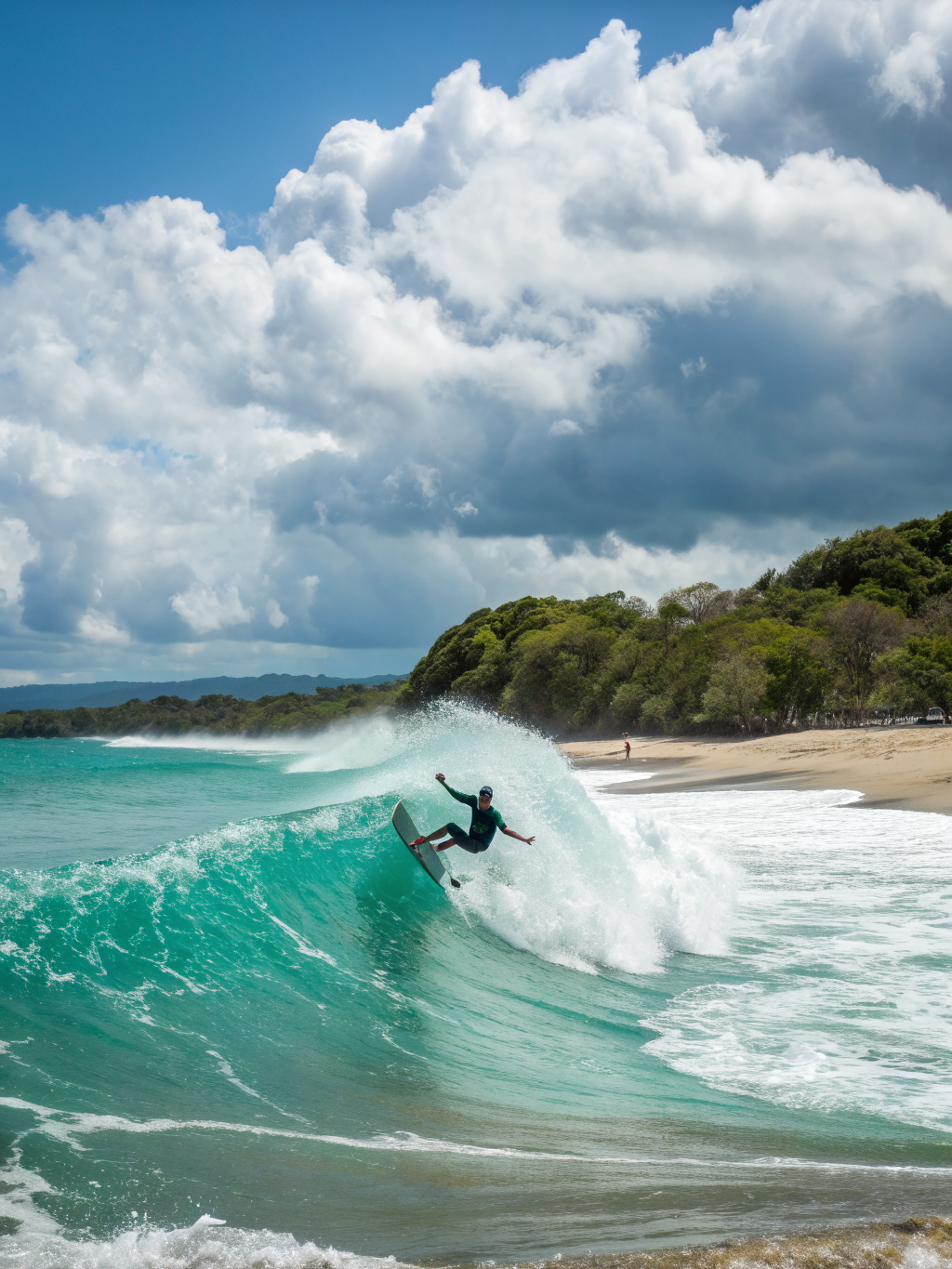
Table of Contents
Introduction
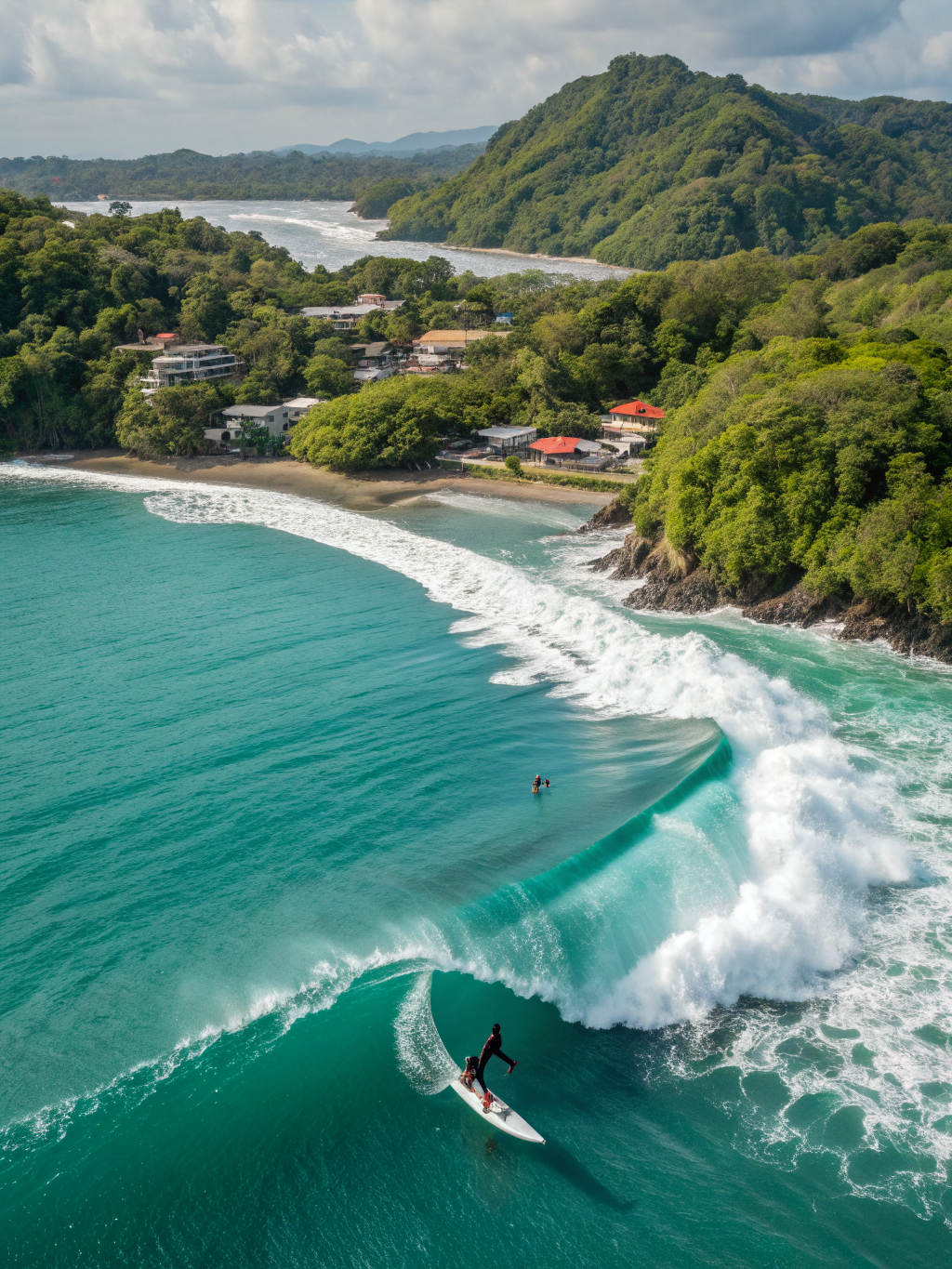
Looking for a surf destination where consistent waves, warm water, and a laid-back vibe come together without breaking the bank? Discover surfing in Costa Rica with the best surf spots, waves, seasons, beginner beaches, surf camps, costs, and essential tips for your next trip. Stretching along both the Pacific and Caribbean coasts, Costa Rica offers year-round surf, beginner-friendly beach breaks, powerful reef breaks for experienced surfers, and a thriving surf culture that welcomes travelers from around the world. Whether you’re catching your first wave or searching for uncrowded barrels, this Central American surf paradise delivers quality waves, affordable accommodation, and unforgettable adventure beyond the lineup.
Why Visit Costa Rica for Surfing?
Costa Rica ranks among the world’s most consistent surf destinations, offering waves on both coasts throughout the year. The Pacific coast receives powerful groundswells from April to October, while the Caribbean side comes alive from November to March. This means surfers can find quality waves regardless of travel dates.
The country attracts beginners with mellow beach breaks, gentle instructors, and budget-friendly surf camps. Intermediate surfers enjoy reef breaks, point breaks, and consistent beach peaks, while advanced surfers chase powerful barrels and hollow waves at spots known throughout the international surf community.
Beyond wave quality, Costa Rica offers incredible value. Surf lessons, surfboard rentals, and accommodation remain affordable compared to surf destinations in Europe, Australia, or Hawaii. The combination of tropical scenery, rich biodiversity, friendly locals, and pura vida culture creates an unforgettable surf travel experience.
Costa Rica suits solo travelers seeking community at surf hostels, couples looking for romantic beachfront sunsets, digital nomads chasing waves between work sessions, and adventure travelers eager to explore rainforests, volcanoes, and wildlife reserves between surf sessions.
Best Surf Spots in Costa Rica
1. Tamarindo
Tamarindo serves as one of the most popular surf towns on the Pacific coast, offering consistent beach breaks suitable for all skill levels. The main beach break provides gentle waves perfect for beginners, while nearby reef breaks challenge intermediate and advanced surfers. The town offers abundant surf schools, board rentals, hostels, restaurants, and nightlife, making it ideal for first-time visitors to Costa Rica.
2. Santa Teresa
Located on the Nicoya Peninsula, Santa Teresa delivers world-class waves with a bohemian vibe. The long beach break produces consistent waves year-round, with powerful swells during the rainy season. Santa Teresa attracts intermediate surfers, yoga enthusiasts, digital nomads, and travelers seeking a more relaxed atmosphere than Tamarindo. Accommodation ranges from budget hostels to boutique hotels.
3. Mal País
Adjacent to Santa Teresa, Mal País offers powerful reef breaks and point breaks suited for experienced surfers. The waves here demand solid paddling skills, good wave knowledge, and respect for local surf etiquette. When conditions align, Mal País produces long, hollow barrels that attract international surfers seeking uncrowded sessions.
4. Playa Hermosa (Puntarenas)
Not to be confused with other beaches sharing the same name, Playa Hermosa near Jacó hosts professional surf competitions and delivers powerful, fast beach breaks. The consistent swell makes this spot popular among intermediate and advanced surfers. Strong currents and shifty peaks require caution, particularly for less experienced surfers.
5. Jacó
Jacó offers accessible surfing close to San José, making it convenient for surfers with limited time. The beach break produces waves suitable for beginners and intermediates year-round. While the town feels more developed and touristy than other surf spots, the convenience and consistent waves attract surfers looking for easy access and abundant amenities.
6. Pavones
Pavones ranks among the longest left-hand point breaks in the world, producing rides that can stretch over a minute during optimal swell and tide conditions. This remote spot on the southern Pacific coast attracts experienced surfers willing to travel off the beaten path. Accommodation options remain limited, and the long journey deters crowds, preserving the raw surf experience.
7. Playa Negra (Guanacaste)
Playa Negra delivers a consistent right-hand reef break that works well during mid to high tide. The wave offers hollow sections and workable walls, making it popular among intermediate and advanced surfers. The relaxed town provides budget accommodation, surf camps, and a welcoming community atmosphere.
8. Nosara
Nosara combines quality surf with strong environmental values and wellness culture. The main beach breaks work well for beginners and intermediates, while nearby spots like Playa Guiones offer longer, more challenging waves. Nosara attracts health-conscious travelers, yoga enthusiasts, and families seeking a safe, friendly surf destination.
9. Dominical
Dominical produces powerful beach breaks and river mouth waves that challenge intermediate and advanced surfers. The consistent swell and multiple peaks spread crowds along the beach. The laid-back town offers budget hostels, local restaurants, and access to waterfalls and rainforest adventures.
10. Witch’s Rock and Ollie’s Point
Accessible by boat from Tamarindo or Playa del Coco, Witch’s Rock and Ollie’s Point deliver world-class waves within the protected waters of Santa Rosa National Park. These legendary breaks require boat access and work best during larger swells. The remote location and boat fees keep crowds manageable compared to mainland breaks.
11. Playa Grande
Adjacent to Tamarindo, Playa Grande offers less crowded waves and serves as a protected nesting site for leatherback sea turtles. The beach break produces consistent waves suitable for beginners and intermediates. Development restrictions preserve the natural beauty and prevent the area from becoming overdeveloped.
12. Puerto Viejo (Caribbean Coast)
Puerto Viejo on the Caribbean coast offers a completely different surf experience, with the famous Salsa Brava reef break delivering powerful, hollow barrels over shallow reef. This wave suits experienced surfers only and works best from November to March. The town blends Afro-Caribbean culture, reggae music, local cuisine, and a relaxed atmosphere distinct from the Pacific coast.
13. Playa Cocles
Near Puerto Viejo, Playa Cocles provides a more beginner-friendly alternative to Salsa Brava. The beach break offers mellow waves suitable for learning and improving, with consistent surf during the Caribbean swell season. The scenic beach, palm trees, and clear water create a tropical surf paradise.
14. Matapalo (Osa Peninsula)
Matapalo on the remote Osa Peninsula offers uncrowded waves, pristine rainforest, and incredible biodiversity. The isolated location requires extra travel effort but rewards surfers with consistent waves and authentic Costa Rican wilderness. Limited accommodation and services make this spot ideal for adventurous travelers seeking solitude.
15. Avellanas
Playa Avellanas delivers quality right-hand waves over a rocky bottom, working best during mid to high tide. The wave offers long rides and workable sections for intermediate and advanced surfers. The area remains less developed than nearby Tamarindo, providing a quieter surf experience with limited but quality accommodation options.
Best Time to Surf Costa Rica
Costa Rica offers year-round surfing, with different coasts producing optimal conditions during different seasons.
Pacific Coast (May to November): The rainy season brings consistent groundswells, offshore winds in the morning, and powerful waves. This period suits intermediate and advanced surfers chasing bigger swells. Afternoon rain showers occur frequently but rarely last long. Crowds decrease compared to the dry season, and accommodation prices drop.
Pacific Coast (December to April): The dry season delivers sunny weather, smaller swells, and ideal conditions for beginners. Waves remain consistent but generally smaller and more manageable. This period attracts the largest crowds and highest accommodation prices, particularly around Christmas and Easter.
Caribbean Coast (November to March): The Caribbean side receives consistent swells during these months, with spots like Salsa Brava coming alive. Water remains warm, and the surf culture differs from the Pacific coast, offering fresh experiences for surfers exploring both sides.
| Season | Wave Conditions | Skill Level | Crowds | Budget |
|---|---|---|---|---|
| Dry Season (Dec–Apr) | Smaller, cleaner waves | Beginner to intermediate | High | Higher prices |
| Rainy Season (May–Nov) | Larger, powerful swells | Intermediate to advanced | Lower | Budget-friendly |
| Caribbean Season (Nov–Mar) | Consistent reef breaks | Intermediate to advanced | Moderate | Mid-range |
Water temperature remains warm year-round, typically ranging from comfortable to tropical. Most surfers wear boardshorts or a spring suit for sun protection rather than warmth.
How Much Does a Surf Trip Cost?
Costa Rica offers excellent value for budget-conscious surfers, particularly during the rainy season when accommodation prices drop and crowds thin out.
Budget Surf Trip (Per Day):
- Surf hostel dorm bed: $10–$20
- Local meals: $5–$10
- Surfboard rental: $10–$15
- Transportation: $5–$10
- Activities: $5–$15
- Daily total: $35–$70
Mid-Range Surf Trip (Per Day):
- Private room or surf camp: $40–$80
- Restaurant meals: $15–$30
- Surfboard rental: $15–$20
- Transportation: $10–$20
- Surf lessons or activities: $30–$50
- Daily total: $110–$200
Premium Surf Trip (Per Day):
- Beachfront hotel or resort: $100–$250+
- Quality dining: $40–$80
- Private surf coaching: $80–$150
- Car rental: $30–$60
- Premium activities: $50–$100
- Daily total: $300–$640+
Surf lessons typically cost between $40–$70 for group sessions and $60–$100 for private instruction. Surfboard rentals remain affordable at most surf towns, with weekly rates offering better value than daily rentals.
For related budget tips and destination comparisons, check out costa rica surfing, best surf towns in costa rica, best surfing costa rica beginners, surf costa rica december, best surfing in costa rica for beginners.
Where to Stay
Tamarindo: Best for first-time visitors seeking convenience, nightlife, surf schools, and abundant amenities. Accommodation ranges from budget hostels to beachfront resorts.
Santa Teresa: Ideal for digital nomads, intermediate surfers, and travelers seeking yoga, wellness, and a bohemian atmosphere. Offers quality hostels, boutique hotels, and vacation rentals.
Nosara: Perfect for families, health-conscious travelers, and surfers prioritizing environmental sustainability and community values. Accommodation leans toward mid-range and premium options.
Puerto Viejo: Best for surfers exploring the Caribbean coast, experiencing Afro-Caribbean culture, and enjoying a different vibe from the Pacific side. Budget-friendly hostels and guesthouses dominate.
Dominical: Suits surfers seeking powerful waves, rainforest adventures, and a laid-back town atmosphere. Budget hostels and surf camps provide affordable options.
Surf Camps: Many surf camps include accommodation, meals, surf lessons, board rentals, and transportation in package deals, offering excellent value and community atmosphere for solo travelers and beginners.
Getting Around
Car Rental: Renting a 4×4 vehicle provides flexibility to explore multiple surf spots, particularly on rough roads leading to remote beaches. Rental prices range from $30–$60 per day depending on vehicle type and season.
Shuttle Services: Shared shuttle services connect major surf towns and airports, offering affordable and convenient transportation without driving responsibilities. Advance booking ensures availability.
Public Buses: Local buses serve most surf towns at very low cost but require patience, as schedules can be unpredictable and travel times lengthy.
Domestic Flights: Small regional airlines connect remote areas like the Osa Peninsula to San José, saving hours of travel time for surfers with limited vacation days.
Taxis and Rideshares: Available in larger towns but can be expensive for longer distances. Negotiate prices before departure or confirm meter usage.
Most surf towns remain walkable once you arrive, with surfboard rentals available near beaches, eliminating the need to transport boards long distances.
What to Pack for a Surf Trip
- Surfboard: Consider bringing your own if staying long-term or rent locally to avoid airline baggage fees
- Leash and spare leash
- Surf wax appropriate for warm water
- Fins and spare fins
- Rash guard for sun protection
- Boardshorts or bikini
- Reef-safe sunscreen (required at many protected beaches)
- Lightweight rain jacket (essential during rainy season)
- Quick-dry clothing and sandals
- Reusable water bottle to reduce plastic waste
- First-aid kit including reef cuts treatment
- Waterproof phone pouch
- Travel adapter (Costa Rica uses Type A and B plugs)
- Insect repellent for rainforest areas
- Travel insurance documentation
Pack light, as most surf towns offer laundry services and you’ll spend most time in boardshorts and t-shirts.
Best Surf Trip Itinerary
Day 1 — Arrival in Tamarindo
Arrive at Liberia airport, transfer to Tamarindo, settle into surf hostel, explore the town, grab sunset tacos, and plan your first surf session.
Day 2 — Morning Surf Session & Town Exploration
Wake early for dawn patrol at Tamarindo beach break, rent a surfboard, catch waves at the main peak, enjoy fresh fruit and coffee at a local café, explore surf shops, and relax with sunset from the beach.
Day 3 — Surf Lesson or Boat Trip
Book a surf lesson to refine technique or join a boat trip to Witch’s Rock for more experienced surfers. Afternoon rainforest hike or zip-lining adventure.
Day 4 — Travel to Santa Teresa
Transfer to Santa Teresa on the Nicoya Peninsula, settle into accommodation, evening surf session at the main beach break, dinner at a beachfront restaurant.
Day 5 — Santa Teresa Surf & Sunset
Morning surf session followed by yoga, afternoon exploration of nearby beaches, sunset from one of the peninsula’s stunning viewpoints, evening fire on the beach.
Day 6 — Explore Mal País
Check surf conditions at Mal País for more advanced waves, visit tide pools, enjoy local seafood, return to Santa Teresa for final sunset session.
Day 7 — Return & Departure
Morning surf session if time permits, transfer back to Liberia airport, or extend your trip to explore the Caribbean coast.
Surfing Tips for Costa Rica
Check Tide Charts: Many reef breaks and point breaks work best during specific tide windows. Ask locals or surf shops for advice on optimal times.
Respect Surf Etiquette: Costa Rica attracts surfers worldwide, making lineups crowded at popular breaks. Wait your turn, don’t drop in, and respect local surfers.
Start at Beginner Beaches: If you’re new to surfing, stick to mellow beach breaks like Tamarindo, Nosara, or Playa Cocles until you build confidence and skill.
Protect Yourself from the Sun: Tropical sun burns quickly. Apply reef-safe sunscreen regularly, wear a rash guard, and seek shade during midday.
Watch for Rip Currents: Many beaches produce strong rip currents. If caught in one, paddle parallel to shore rather than fighting directly against the current.
Bring Cash: Remote surf towns may lack ATMs or reliable card payment options. Carry sufficient cash for accommodation, food, and rentals.
Learn Basic Spanish Phrases: While many locals speak English in tourist areas, learning basic Spanish enhances interactions and shows respect for local culture.
Stay Hydrated: Warm temperatures and physical activity require constant hydration. Drink plenty of water throughout the day.
Consider Travel Insurance: Surf injuries can happen. Quality travel insurance covering surf-related accidents provides peace of mind.
Common Mistakes to Avoid
Visiting Only During High Season: Traveling during the dry season means higher prices and larger crowds. Consider the rainy season for better value, fewer surfers, and bigger swells.
Staying Too Far from the Surf: Choosing accommodation far from the beach wastes time and money on daily transportation. Stay within