
Surfing in Portugal: Best Surf Spots & Travel Guide
Discover surfing in Portugal with the best surf spots, seasons, beginner beaches, surf camps, costs, and essential travel tips for an unforgettable surf trip.
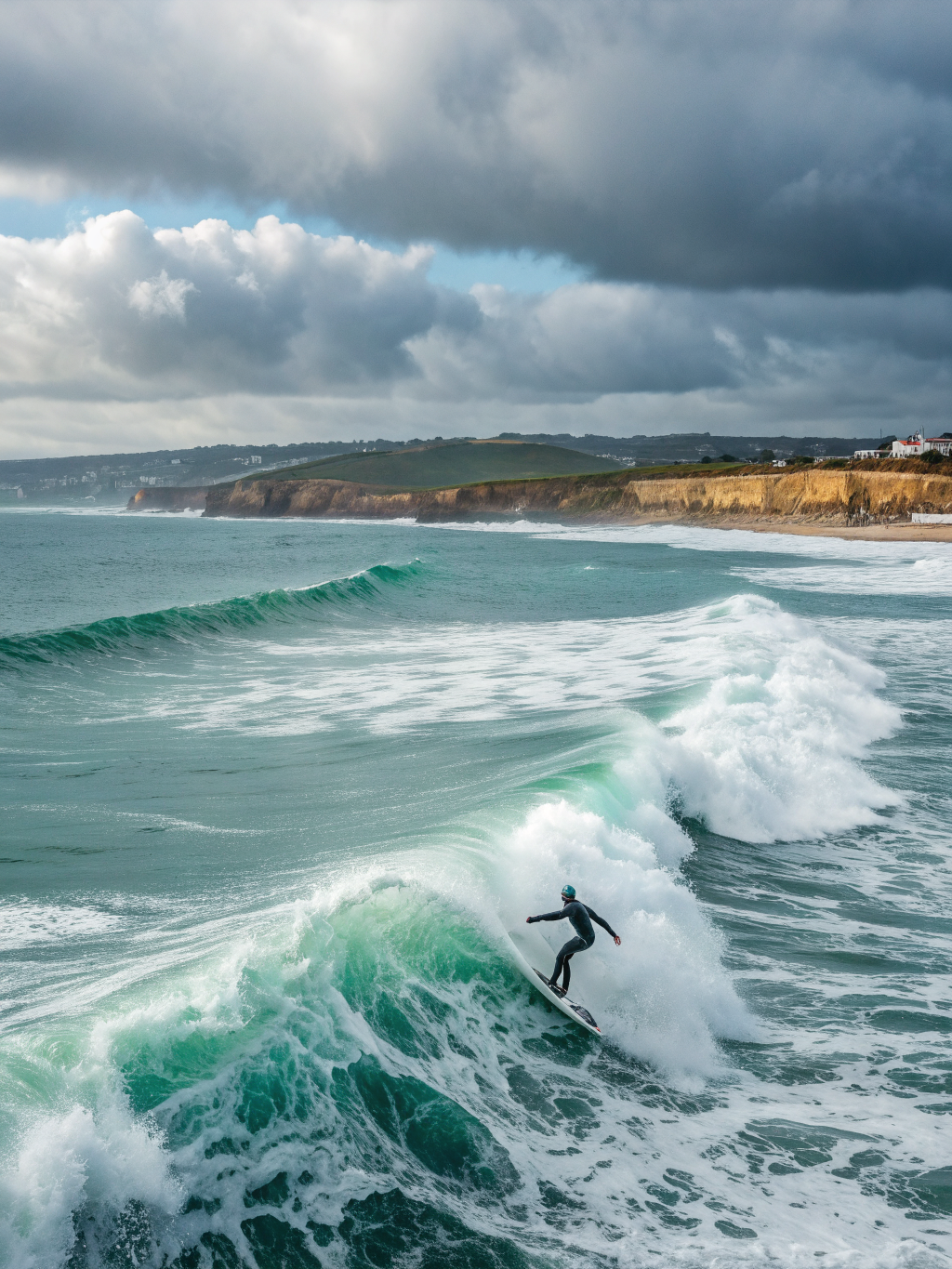
Table of Contents
Looking for a surf destination where consistent Atlantic swells meet stunning coastal scenery, affordable prices, and a thriving surf culture? Portugal has earned its reputation as one of Europe’s premier surf destinations, offering everything from gentle beach breaks perfect for beginners to world-class big wave spots that challenge the most experienced surfers. Whether you’re planning your first surf trip or searching for your next wave-filled adventure, Discover surfing in Portugal with the best surf spots, seasons, beginner beaches, surf camps, costs, and essential travel tips for an unforgettable surf trip.
This comprehensive guide covers Portugal’s best surf spots, ideal seasons for catching waves, budget-friendly accommodation options, practical travel tips, and everything you need to know to plan an unforgettable Portuguese surf adventure.
Why Visit Portugal for Surfing?
Portugal offers surfers an unbeatable combination of consistent year-round waves, diverse surf spots catering to all skill levels, and exceptional value compared to other European destinations. The country’s 800-kilometer Atlantic coastline receives powerful swells from the North Atlantic, creating reliable surf conditions throughout the year.
The Portuguese surf scene welcomes everyone from complete beginners taking their first lesson on soft sand beaches to experienced surfers chasing heavy reef breaks and massive big waves. Beyond the waves, Portugal delivers authentic coastal villages, delicious seafood, vibrant nightlife, and warm hospitality that keeps surfers returning year after year.
Portugal is particularly well-suited for:
- Beginner surfers seeking gentle beach breaks and excellent surf schools
- Intermediate surfers looking to progress on varied wave types
- Advanced surfers chasing challenging reef breaks and point breaks
- Budget travelers attracted by affordable accommodation and food
- Digital nomads enjoying reliable infrastructure and surf-friendly coworking spaces
- Solo travelers connecting with a welcoming international surf community
The accessibility of Lisbon and Porto airports, excellent road networks, and concentration of surf spots within short driving distances make Portugal remarkably easy to navigate for surf travelers.
Best Surf Spots in Portugal
Portugal’s coastline offers exceptional variety, with each region providing distinct surf characteristics. Here are the essential surf spots every surfer should consider when exploring portugal surf spots, surf town portugal, best surfing in portugal, big wave in portugal, portugal surfing nazare.
Peniche
Peniche ranks among Portugal’s most consistent and diverse surf destinations, offering multiple beaches and reef breaks within a compact area. This working fishing town transforms into a surf hub, attracting surfers of all levels throughout the year.
Supertubos delivers powerful, hollow barrels that host professional surf competitions, best suited for experienced surfers comfortable in fast, shallow waves. Beginners should explore Baleal Beach on the peninsula’s opposite side, where beach breaks provide gentler learning conditions.
Peniche receives swell from virtually any direction, ensuring surfable waves even when other Portuguese spots go flat. Crowds can build during peak season, especially at the main breaks, but the variety of spots means you can usually find space.
Ericeira
Designated as a World Surfing Reserve—one of only a handful globally—Ericeira offers exceptional wave quality and consistency along a spectacular stretch of coastline. The charming fishing village maintains authentic Portuguese character while embracing its international surf community.
The area features numerous point breaks and reef breaks, including Ribeira d’Ilhas, a long right-hand point break considered one of Europe’s finest waves. Foz do Lizandro provides a more forgiving beach break ideal for intermediate surfers, while Coxos challenges advanced surfers with powerful, hollow waves breaking over shallow reef.
Ericeira sits just 40 minutes from Lisbon, making it extremely accessible for surf trips of any length. The village offers excellent restaurants, surf shops, and a relaxed evening atmosphere.
Nazaré
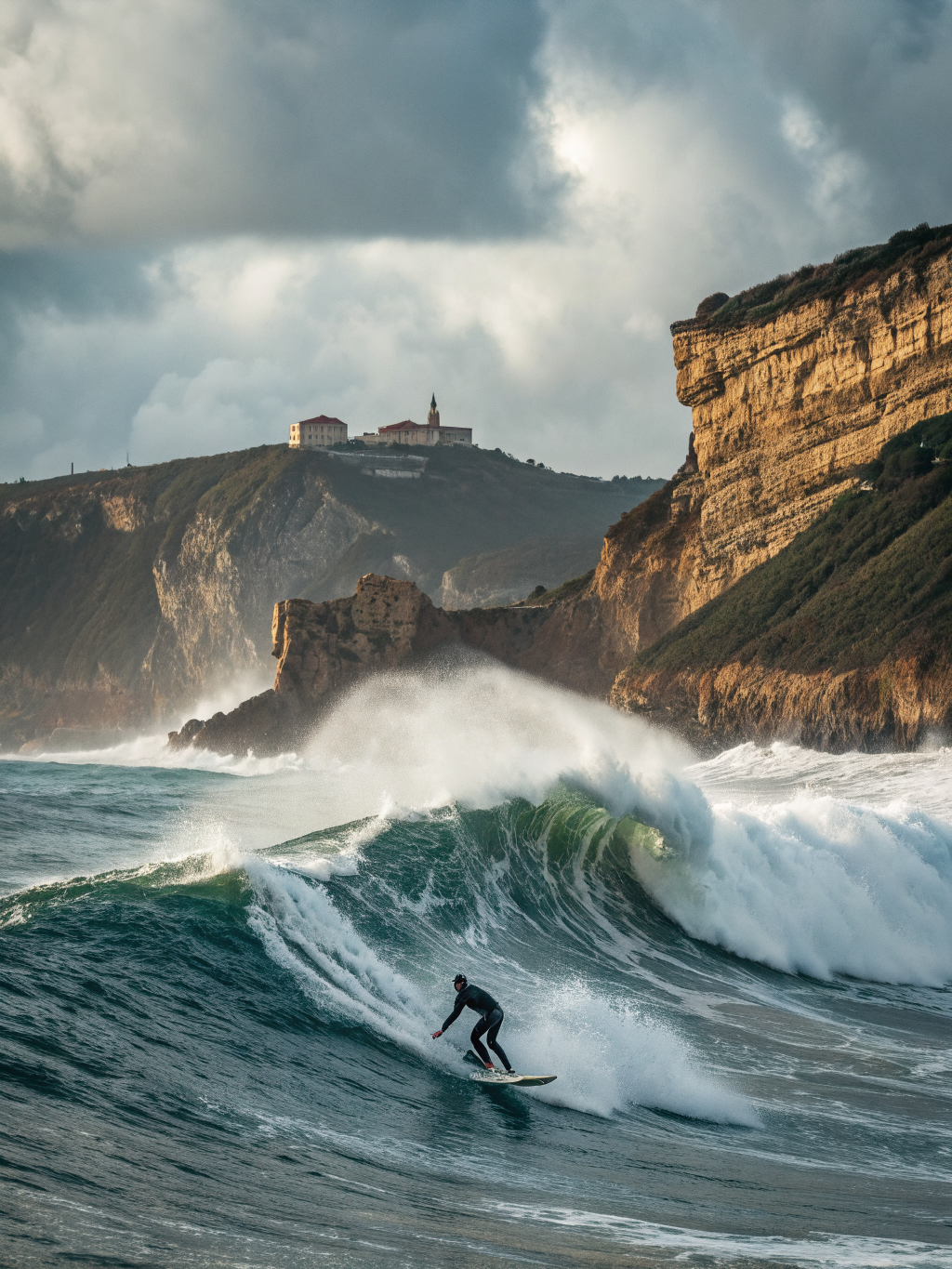
Nazaré gained worldwide fame for producing some of the planet’s largest surfable waves, with the underwater Nazaré Canyon funneling massive Atlantic swells toward the Praia do Norte break. Big wave surfers have ridden waves exceeding 80 feet here, creating spectacular scenes that have redefined limits in surfing.
These giant waves typically occur during winter months when powerful storm systems generate enormous swells. Only highly experienced big wave surfers with proper safety teams should consider surfing Nazaré on large days.
The town also offers Nazaré Beach in the main bay, where more manageable beach break waves suit intermediate surfers during calmer conditions. Even if you’re not surfing the big waves, watching experienced surfers tackle Nazaré’s giants from the lighthouse viewpoint provides an unforgettable experience.
Sagres and the Algarve
The Algarve’s southwestern coast around Sagres provides rugged beauty and diverse surf spots in Portugal’s southernmost region. The area’s unique geography means you can often find protected spots when strong winds affect other regions.
Arrifana offers a long beach break with consistent waves suitable for various skill levels, while Tonel Beach near Sagres provides powerful waves best suited for intermediate to advanced surfers. Amado Beach delivers reliable beach break waves in a stunning natural setting.
The Algarve generally experiences warmer water temperatures and milder weather than northern Portugal, making it attractive during winter months. Summer typically brings smaller, less consistent surf compared to autumn and winter.
Costa da Caparica
Located just 30 minutes from Lisbon, Costa da Caparica offers an extensive beach with numerous peaks spreading out along several kilometers of coastline. This accessibility makes it perfect for surfers based in Lisbon who want quick beach access.
The beach breaks provide waves for all skill levels, with conditions varying depending on swell direction and sandbar formation. Peak summer months bring crowds, but the long beach means you can walk to find less congested peaks.
Costa da Caparica works particularly well for beginner and intermediate surfers, with multiple surf schools offering lessons along the beach.
Carcavelos
Carcavelos provides Lisbon’s most accessible surf spot, sitting on the train line between Lisbon and Cascais. The beach break receives consistent swells and attracts both locals and surf travelers seeking convenience.
Wave quality can be excellent when conditions align, though the spot experiences significant crowds, especially after work hours and on weekends. Carcavelos suits intermediate surfers comfortable navigating busy lineups, while beginners can find gentler sections along the beach.
Best Time to Surf Portugal
Portugal offers year-round surfing, with each season providing distinct characteristics regarding wave size, water temperature, crowds, and costs.
| Season | Wave Conditions | Skill Level | Crowds | Water Temp | Budget |
|---|---|---|---|---|---|
| Winter (Dec-Feb) | Largest, most powerful swells | Intermediate to Advanced | Lower | Cool (14-16°C) | Lower accommodation costs |
| Spring (Mar-May) | Consistent swells, varied sizes | All levels | Moderate | Warming (15-17°C) | Good value |
| Summer (Jun-Aug) | Smaller, gentler waves | Beginner to Intermediate | Highest | Warmest (17-20°C) | Higher prices |
| Autumn (Sep-Nov) | Building swells, excellent conditions | All levels | Moderate to low | Still warm (17-19°C) | Best overall value |
Autumn (September to November) represents the ideal time for most surfers visiting Portugal. The Atlantic begins generating consistent swells as winter storm patterns develop, water temperatures remain comfortable from summer warmth, crowds decrease after peak season, and accommodation prices drop significantly.
Winter delivers the largest and most powerful waves, attracting experienced surfers seeking challenging conditions. This season requires proper wetsuit thickness (4/3mm or 5/4mm) and surf experience, as wave power increases considerably. Budget travelers benefit from lower accommodation rates and fewer crowds.
Spring provides excellent conditions as swell consistency remains strong while water gradually warms. This shoulder season offers good value and manageable crowds.
Summer brings smaller, gentler waves perfect for beginners learning to surf, though the ocean remains surprisingly cool despite warm air temperatures. Expect higher prices, busier beaches, and less consistent surf compared to other seasons.
How Much Does a Surf Trip to Portugal Cost?
Portugal remains one of Europe’s most affordable surf destinations, offering excellent value across accommodation, food, transportation, and surf-related expenses.
Budget Surf Trip (€35-50 per day)
- Accommodation: Surf hostel dorm bed (€15-25)
- Food: Self-catering with occasional budget meals (€10-15)
- Surfboard rental: (€10-15 per day, cheaper weekly)
- Wetsuit rental: (€5-10 per day, cheaper weekly)
- Transportation: Local buses or walking (€0-5)
Budget surf travelers staying in hostels, preparing meals, and sharing transportation can experience Portugal affordably. Many surf hostels include breakfast and offer discounted equipment rental rates.
Mid-Range Surf Trip (€70-120 per day)
- Accommodation: Private room in guesthouse or budget hotel (€40-60)
- Food: Mix of home-cooked meals and restaurants (€20-30)
- Surf camp package: Often includes accommodation, meals, lessons (€50-80 per day)
- Car rental: Split between travelers (€15-25 per person)
- Activities: Surf lessons, excursions (€10-20)
Mid-range travelers enjoy comfortable private accommodation, flexibility to eat out regularly, and freedom to explore multiple surf spots with rental transportation.
Premium Surf Trip (€150+ per day)
- Accommodation: Beachfront hotels or premium surf resorts (€80-150+)
- Food: Restaurants for most meals (€40-60)
- Private surf coaching: (€50-100)
- Premium surf camp: All-inclusive experiences (€100-200 per day)
- Activities: Guided experiences, equipment upgrades
Premium surf travelers prioritize convenience, quality accommodation near the best breaks, personalized surf coaching, and comprehensive surf camp packages handling all logistics.
Weekly surf camp packages typically range from €400-800 for budget options to €1,000-1,500+ for premium experiences, usually including accommodation, meals, surf lessons, and equipment rental.
Where to Stay for Surfing in Portugal
Portugal offers diverse accommodation options catering to different budgets and travel styles.
Surf Hostels
Surf hostels provide the most budget-friendly option and excellent opportunities to connect with other surf travelers. Most surf hostels offer equipment rental, organize surf sessions, provide local knowledge, and create social atmospheres perfect for solo travelers.
Popular surf hostel areas include Peniche, Ericeira, Lagos, and Costa da Caparica. Many include breakfast, communal kitchens, and common areas designed for meeting fellow surfers.
Surf Camps
Surf camps deliver comprehensive experiences handling accommodation, meals, surf lessons, equipment, and transportation to surf spots. This option suits beginners wanting structured learning environments and travelers preferring hassle-free experiences.
Surf camps operate throughout Portugal’s main surf regions, with varying levels from basic to luxury. Week-long packages typically include 5-6 days of surfing with rest days for exploring or optional activities.
Guesthouses and Budget Hotels
Local guesthouses and small hotels offer comfortable private accommodation at reasonable prices. This option works well for couples or travelers seeking more privacy than hostels provide while maintaining budget-consciousness.
Coastal villages like Ericeira, Sagres, and Baleal feature numerous guesthouses within walking distance of surf breaks.
Apartments and Vacation Rentals
Renting apartments suits longer stays, groups, or travelers who prefer self-catering. Weekly or monthly rentals significantly reduce daily costs compared to hotels, particularly in less touristy surf towns.
Platforms offering vacation rentals provide numerous options near Portugal’s best surf spots, from simple studios to larger houses for groups.
Beachfront Hotels and Surf Resorts
Premium beachfront accommodation offers maximum convenience with ocean views, direct beach access, and resort amenities. This option suits travelers prioritizing comfort and location over budget considerations.
Portugal’s surf coast features increasing numbers of surf-focused hotels and boutique resorts designed specifically for surf travelers.
Best areas to base yourself:
- Peniche/Baleal: Maximum surf variety, consistent waves, established surf infrastructure
- Ericeira: Best overall wave quality, charming village atmosphere, World Surfing Reserve status
- Sagres/Lagos: Algarve warmth, diverse spots, stunning scenery
- Costa da Caparica: Proximity to Lisbon, accessibility, budget options
Getting Around Portugal’s Surf Coast
From the Airport
Lisbon Airport provides the main international gateway, with Porto Airport serving northern Portugal. Budget airlines connect both airports to numerous European cities.
From Lisbon Airport:
- Rental car: Most flexible option for surf trips (€20-40 per day)
- Bus: Direct services to Peniche, Ericeira, and other surf towns (€8-15)
- Uber/taxi: Expensive for long distances but convenient for nearby destinations
- Shuttle services: Some surf camps and hostels arrange airport transfers
Between Surf Spots
Rental car offers maximum flexibility for exploring multiple surf spots, checking conditions, and carrying surfboards. Portugal’s roads are generally excellent, and driving distances between surf regions remain manageable.
Public buses connect major surf towns affordably, though service frequency varies and transporting surfboards can be challenging on some routes.
Surf shuttles and organized transport through surf camps and hostels provide convenient options for travelers without cars.
Surfboard Transport
Most rental cars accommodate surfboards inside with rear seats folded down. Roof racks provide additional options for multiple boards. When using public transportation, confirm surfboard policies beforehand, as some buses restrict oversized luggage.
Consider renting surfboards locally rather than traveling with boards if your trip involves multiple accommodation changes or public transportation.
What to Pack for a Portugal Surf Trip
Essential Surf Gear
- Wetsuit: 3/2mm for summer, 4/3mm for spring/autumn, 5/4mm for winter
- Surfboard: Or plan to rent locally
- Leash: Backup leash recommended
- Surf wax: Appropriate temperature rating
- Rash guard: Sun protection for warmer days
- Changing robe or towel poncho: Convenient for beach changes
- Surf booties: Optional for winter or rocky spots
Travel Essentials
- Reef-safe sunscreen: High SPF for strong Portuguese sun
- Travel adapter: Type C and F plugs (European standard)
- Reusable water bottle: Reduce plastic waste
- First aid basics: Antiseptic, bandages, pain relief
- Waterproof phone case: Protect electronics from sand and water
- Quick-dry towel: Space-saving for travel
- Lightweight layers: Portuguese coastal weather changes quickly
- Casual evening clothes: For exploring towns and restaurants
Documents and Safety
- Travel insurance: Including surf coverage
- Passport/ID: EU citizens need ID; others require passport
- Driver’s license: International license recommended for car rental
- Surf forecast apps: Download before arrival
- Emergency contacts: Local emergency number is 112
Best Portugal Surf Trip Itinerary
Day 1: Arrival & Settling In
Arrive in Lisbon, collect rental car if reserved, and drive to your chosen base (Ericeira, Peniche, or another surf town). Settle into accommodation, explore the local area, check surf conditions for the next day, and enjoy a seafood dinner at a local restaurant.
Day 2: First Surf Sessions
Start with a morning surf session at a beginner-friendly beach break to get comfortable with local conditions. Rest during midday, then enjoy an afternoon session if energy permits or explore the town and connect with other surfers at your accommodation.
Day 3: Surf Lesson or Coaching
Book a surf lesson or coaching session to get local knowledge, improve technique, and discover the best current conditions. Instructors provide valuable insights about reading Portuguese waves, local etiquette, and spot selection.
Day 4: Exploring Multiple Spots
Dedicate this day to checking various surf spots in your region. Morning surf at your current location, then drive to scout other beaches and assess conditions. This reconnaissance helps you understand where to surf based on changing swell and wind conditions.
Day 5: Best Conditions Day
Use your accumulated local knowledge to surf the best available conditions. Check forecasts early, choose your spot